A Journey Through Indian Cinema History
Silent Era Foundations
The Birth of an Industry
At the turn of the 20th century, India was a whirlwind of social and political change under British rule. It was also a place where new technologies were capturing the public's imagination. Among these was the cinematograph. Traveling shows brought short films from the West, mesmerizing audiences who had never seen moving pictures before. These early screenings, often featuring simple scenes of everyday life or magical tricks, planted the seed for a homegrown film industry.
The cultural landscape was rich with storytelling traditions. Folk theatre, classical epics like the Ramayana and Mahabharata, and the popular Parsi theatre provided a deep well of narratives that resonated with people across the subcontinent. Early Indian filmmakers didn't have to look far for stories; they simply had to figure out how to tell them on a screen.
The Father of Indian Cinema
One person who took up this challenge was Dhundiraj Govind Phalke, better known as Dadasaheb Phalke. A photographer and stage magician, Phalke was captivated after watching a French film, The Life of Christ, in a Mumbai cinema hall. He saw the potential to bring Indian gods and goddesses to the screen in the same way.
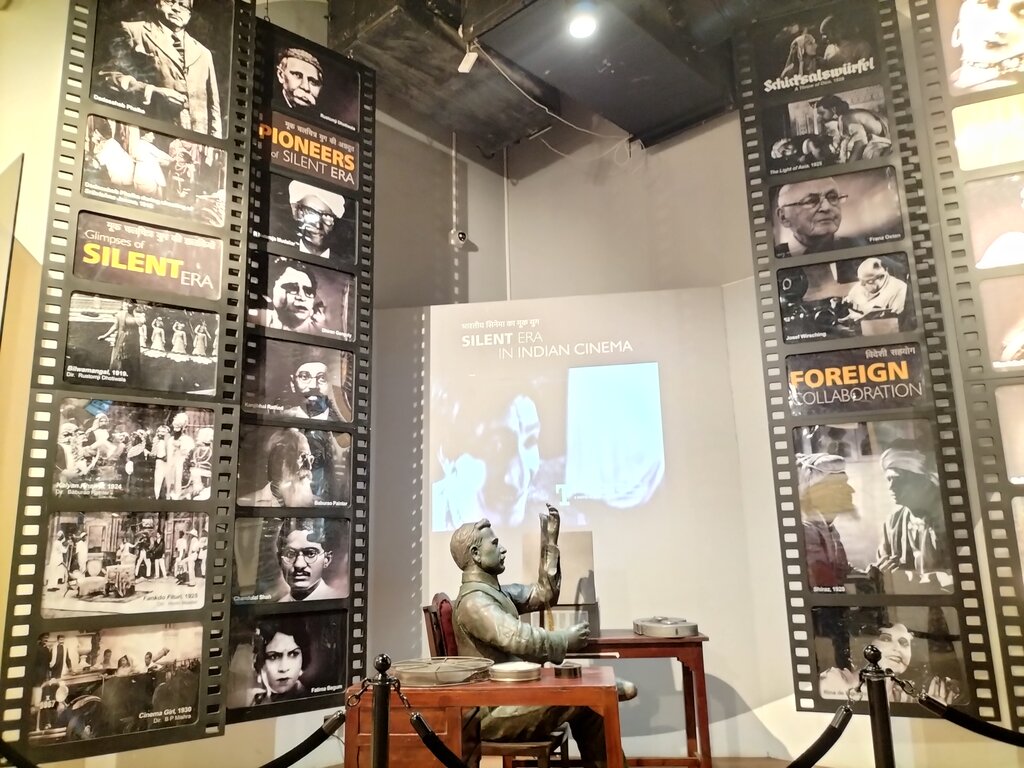
Determined, Phalke traveled to London to learn the craft of filmmaking. He returned to India with a camera and a vision. His goal was to create the first full-length Indian feature film. The result was Raja Harishchandra, released in 1913. The film, based on a legend of a noble king who sacrifices everything for his principles, was a massive undertaking.
Phalke faced enormous challenges. Finding financing was difficult, but casting was even harder. The social norms of the time made it taboo for women to act in films. After a long search, Phalke had to cast a male actor, Anna Salunke, in the lead female role of Queen Taramati. The entire crew was a small, dedicated team learning on the job, with Phalke himself handling everything from directing and scripting to processing the film.
Raja Harishchandra wasn't just a film; it was the foundational event of the Indian film industry, proving that Indians could produce their own movies for their own audiences.
From Stage to Screen
The first Indian films owed a great deal to the theater. The narrative structures, exaggerated acting styles, and elaborate costumes were borrowed directly from popular stage traditions, particularly Parsi theatre. This form of theater was known for its blend of melodrama, music, and spectacle, often drawing on mythology, history, and Shakespearean plots adapted for Indian audiences. Early film was essentially theater captured on camera.
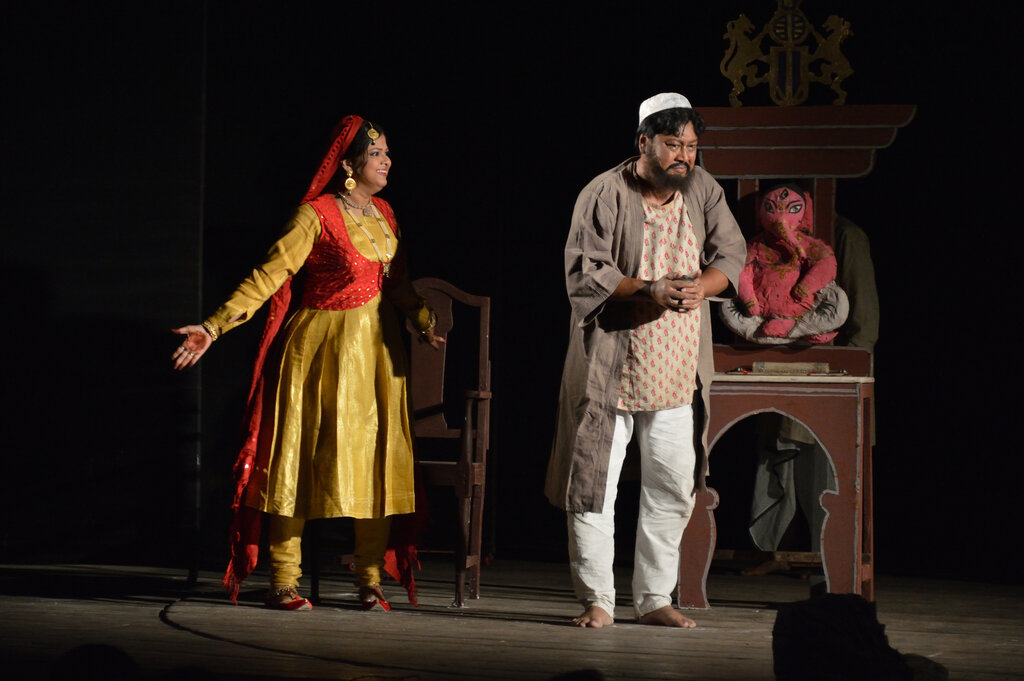
This theatrical influence helped audiences connect with the new medium. The stories were familiar, and the visual language, while new, was rooted in a performance style they already understood. Mythological films, known as "mythologicals," became an incredibly popular genre, bringing revered stories to life in a magical new way.
Following the success of Raja Harishchandra, Phalke established his own studio, the Hindustan Film Company, in 1917. This marked the beginning of the studio system in India. Other entrepreneurs soon followed, founding their own production companies like Kohinoor Film Company and Madan Theatres. These studios began churning out silent films, laying the commercial and creative groundwork for one of the world's most prolific film industries.
Time to test your knowledge of Indian cinema's silent beginnings.
What was the title of the first full-length Indian feature film, directed by Dadasaheb Phalke?
Early Indian cinema heavily borrowed its acting styles, narrative structures, and costumes from which popular contemporary art form?
The silent era established the themes and industrial structures that would define Indian cinema for decades. It was a period of bold experimentation and foundational creativity, all accomplished without a single line of spoken dialogue.