A Journey Through English Literature
Anglo Saxon Origins
The First English
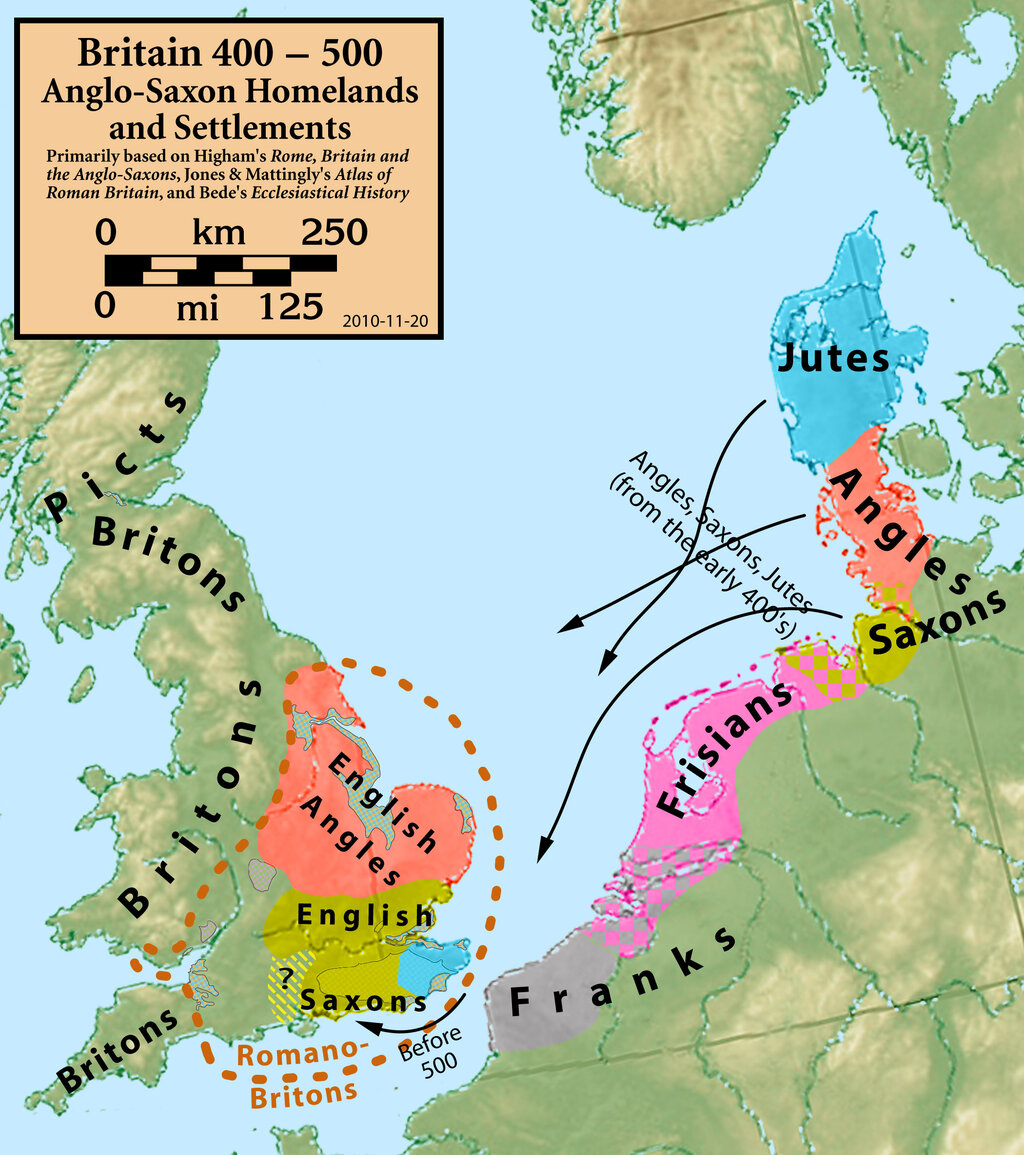
Around the year 450 AD, waves of settlers from mainland Europe landed in Britain. These were the Angles, the Saxons, and the Jutes, Germanic tribes with their own language and traditions. As they established kingdoms, their language, now known as Old English, took root. It sounded nothing like the English we speak today.
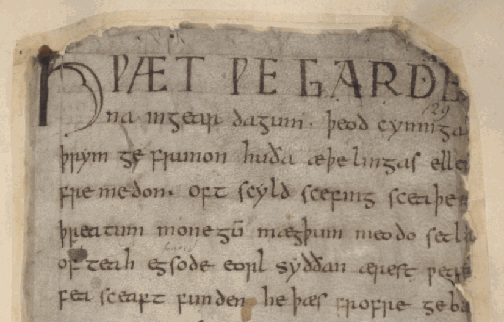
For instance, the opening line of a famous poem was "Hwæt! We Gardena in geardagum." This translates to "Listen! We of the Spear-Danes in days of yore." Despite the alien sound, Old English is the ancestor of our modern language. It gave us many of our most basic, essential words: mann (man), wīf (woman), etan (eat), and drincan (drink).
Stories Told Aloud
In Anglo-Saxon society, most people couldn't read or write. History and culture weren't stored in books but in memory. Stories, poems, and songs were passed down through an oral tradition, spoken and sung for each new generation. This was the primary form of entertainment and education.
At the center of this tradition was the (pronounced "shop"). A scop was a professional poet and storyteller. In the great mead-halls where lords and warriors gathered, the scop would recite long poems from memory, often accompanied by a harp. They were the keepers of the tribe's history, celebrating heroic deeds and mourning tragic losses.
To the Anglo-Saxons, a story wasn't just entertainment. It was a way to make sense of the world and to ensure that the deeds of great heroes were never forgotten.
The Superhero Story
The most important type of story for the Anglo-Saxons was the epic poem. Think of it as their version of a superhero movie: a long, grand story about a larger-than-life hero who battles evil forces to save his people. The most famous of these is a massive poem about a warrior who fights a monster named Grendel, then Grendel's mother, and finally, a dragon.
Like a modern superhero, Beowulf represented the best qualities of his culture. This set of values is often called the heroic code. It prized bravery in battle, unwavering loyalty to one's lord, and generosity. A hero's goal wasn't to gain wealth, but to earn a glorious reputation that would live on after his death. Fame was a form of immortality.
Facing Fate
A key concept in the Anglo-Saxon worldview was , which is often translated as fate. But it wasn't a simple idea of destiny. Wyrd was a powerful, impersonal force that governed the universe, weaving together the past, present, and future for everyone, from kings to monsters.
A warrior knew that Wyrd would ultimately decide the outcome of any battle. While this might sound grim, it didn't lead to despair. Instead, it fueled the heroic code. The understanding was: you can't control what Wyrd has in store for you, but you can control how you face it. A true hero confronts their fate with courage, and that is where true glory is found.
These early stories, shouted over roaring fires in smoky halls, laid the foundation for all of English literature. They established the themes of heroism, fate, and the struggle between good and evil that would be explored in countless stories for centuries to come.
Now, let's test your knowledge on the foundations of English storytelling.
The modern English language is primarily descended from the language spoken by which group of settlers who arrived in Britain around 450 AD?
In Anglo-Saxon mead-halls, the professional poet and keeper of tribal history who recited long poems from memory was known as the ______.