A Journey Through English History
Prehistoric and Roman Britain
From Stone to Bronze
The story of England begins long before any king or country. For thousands of years, early humans lived as hunter-gatherers, moving with the seasons and the herds. They used simple tools made of stone, bone, and wood. Life was a constant search for food and shelter.
Everything changed around 4,500 BC with the arrival of farming. This shift, known as the Neolithic Revolution, was a slow but profound transformation. People learned to cultivate crops and raise animals, allowing them to settle in one place. This led to the first permanent villages and a more stable food supply, which in turn fueled population growth.
With farming came new ways of life. People built monuments like Stonehenge and Avebury, massive stone structures that suggest complex social organization and religious beliefs.
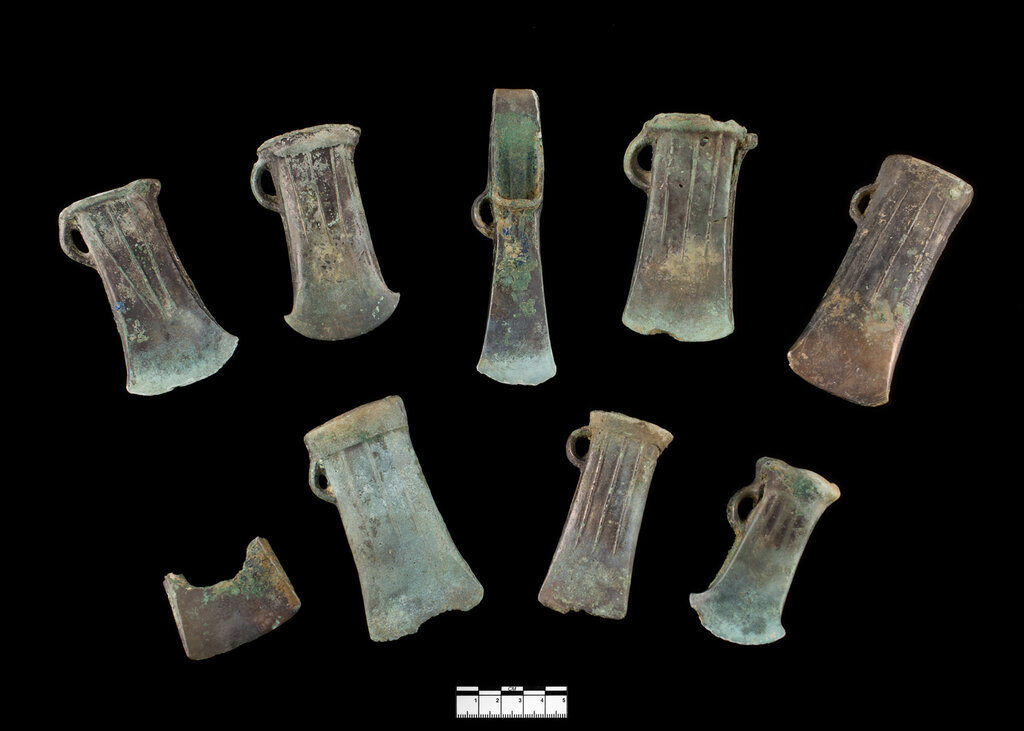
Around 2,000 BC, another technological leap occurred: the discovery of bronze. By mixing copper with tin, people created a metal that was harder and more durable than stone. Bronze was used to make stronger tools for farming, better weapons for warfare, and intricate objects for trade and ceremony. This period, the Bronze Age, saw the emergence of a warrior class and more extensive trade networks connecting Britain to continental Europe.
The Eagles Land
For centuries, Britain remained on the fringe of the known world, a mysterious island to the powerful civilizations of the Mediterranean. That changed in 55 BC when Julius Caesar, the Roman general, crossed the English Channel with two legions. His goal was not outright conquest but to punish British tribes who had been aiding his enemies in Gaul (modern-day France). He returned the next year with a larger force, but Roman presence didn't stick.
These were more like military expeditions than a full-scale invasion. Caesar won some battles and secured promises of tribute, but he soon withdrew to deal with more pressing matters in Gaul. For nearly a century, Britain was left to its own devices.
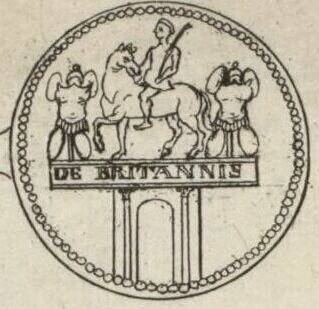
The real Roman conquest began in 43 AD under Emperor Claudius. He needed a military victory to secure his political position back in Rome and saw Britain as the perfect opportunity. A massive army of around 40,000 soldiers landed in Kent and systematically began to conquer the southern part of the island.
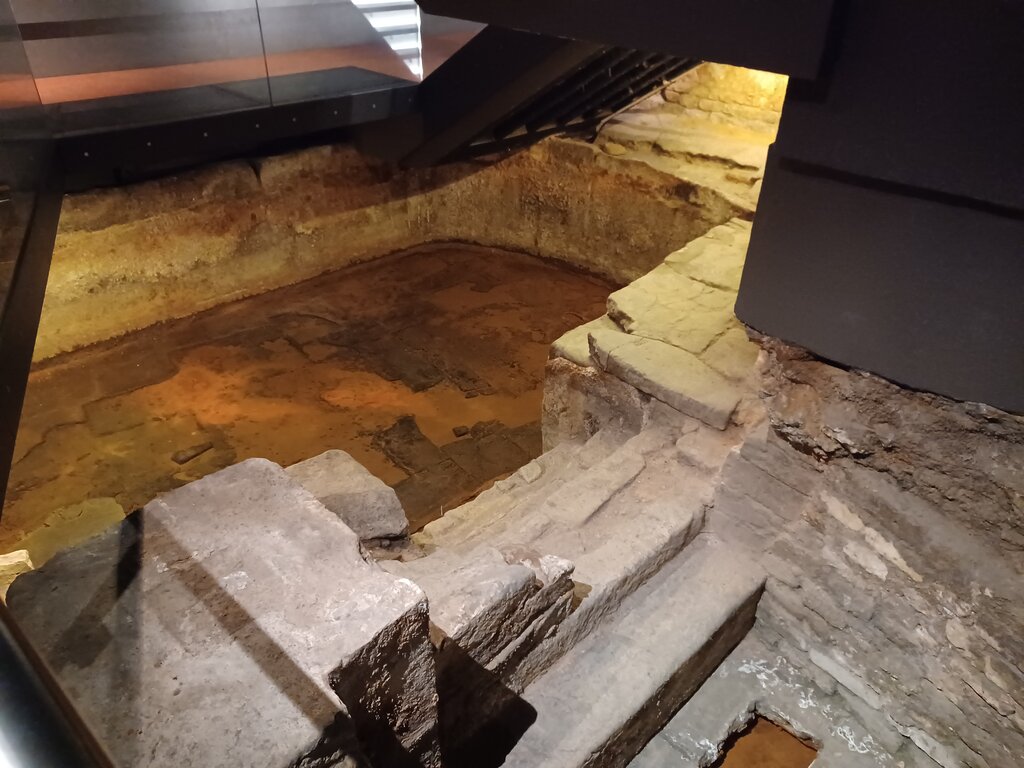
Roman rule brought profound changes. The Romans built towns with grids of streets, forums, temples, and bathhouses. Londinium (London) was founded as a major port and administrative center. A remarkable network of straight, paved roads connected these new urban centers, allowing for the rapid movement of troops and goods. This infrastructure was unlike anything Britain had seen before.
The Edge of the World
Roman control, however, had its limits. The rugged terrain and fierce resistance of tribes in the north proved difficult to tame. To consolidate their territory and create a defensible border, Emperor Hadrian ordered the construction of a massive wall.
Begun in 122 AD, Hadrian's Wall stretched 73 miles from coast to coast, marking the northernmost frontier of the Roman Empire. It was a formidable statement of power, built of stone and turf, complete with forts, milecastles, and turrets garrisoned by Roman soldiers.
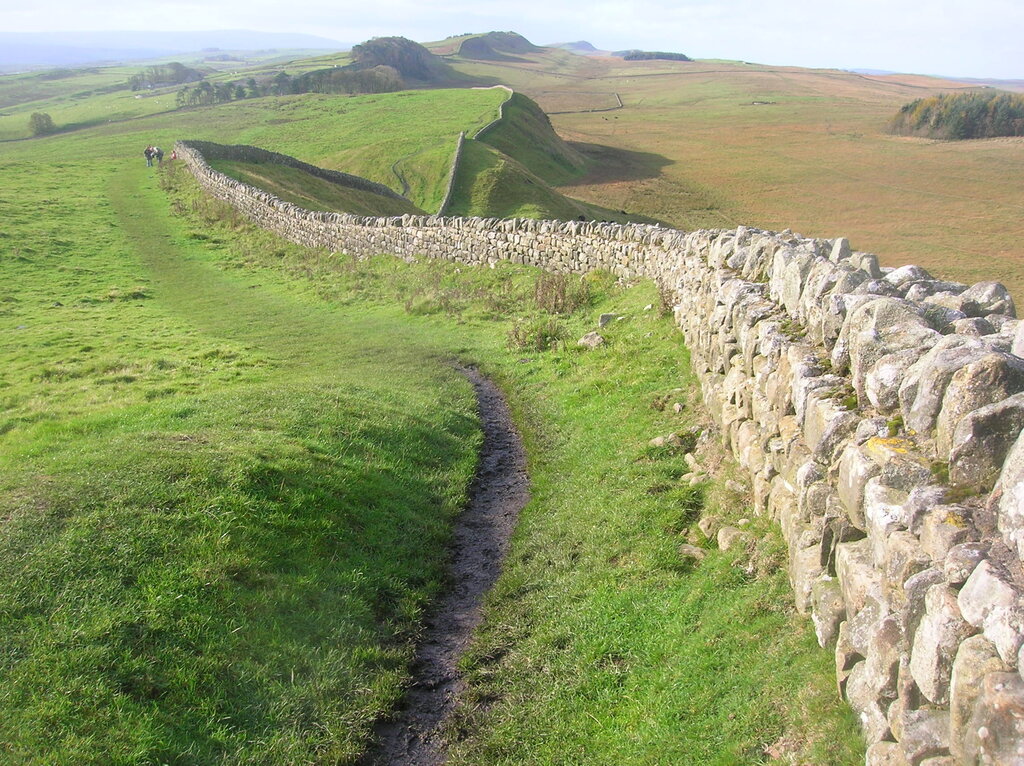
The wall was more than just a barrier. It was a customs post, a line of communication, and a symbol that separated the Roman world from the "barbarians" to the north.
For nearly 300 years, the wall was manned, a constant reminder of Roman might at the very edge of their vast empire. Life along the frontier was a unique blend of Roman military discipline and local British culture. The Romans never conquered the whole island, and Hadrian's Wall stands today as a monument to both their ambition and its limits.
What was the most significant change brought about by the Neolithic Revolution in Britain around 4,500 BC?
What was Julius Caesar's primary motivation for his expeditions to Britain in 55 and 54 BC?
The Roman occupation of Britain lasted for nearly four centuries, leaving a legacy of roads, cities, language, and law that would shape the future of the island long after the last legions departed.