A Journey Through Economic History
Ancient Economic Systems
The First Economies
For most of human history, economies were simple. Hunter-gatherer groups moved with the seasons, and their main economic activity was survival. Everything changed with the agricultural revolution, which began around 10,000 BCE. When people learned to cultivate crops and domesticate animals, they could settle in one place. This shift was the bedrock of civilization and the birth of the economies we'd recognize today.
Farming allowed for something revolutionary: a surplus. A family could grow more food than they needed to eat. Think of it like this: if your family needs 100 bushels of wheat to survive the year, but your fields produce 120, you have a 20-bushel surplus. This leftover grain was a form of wealth. It could be stored for lean times, or it could be traded.
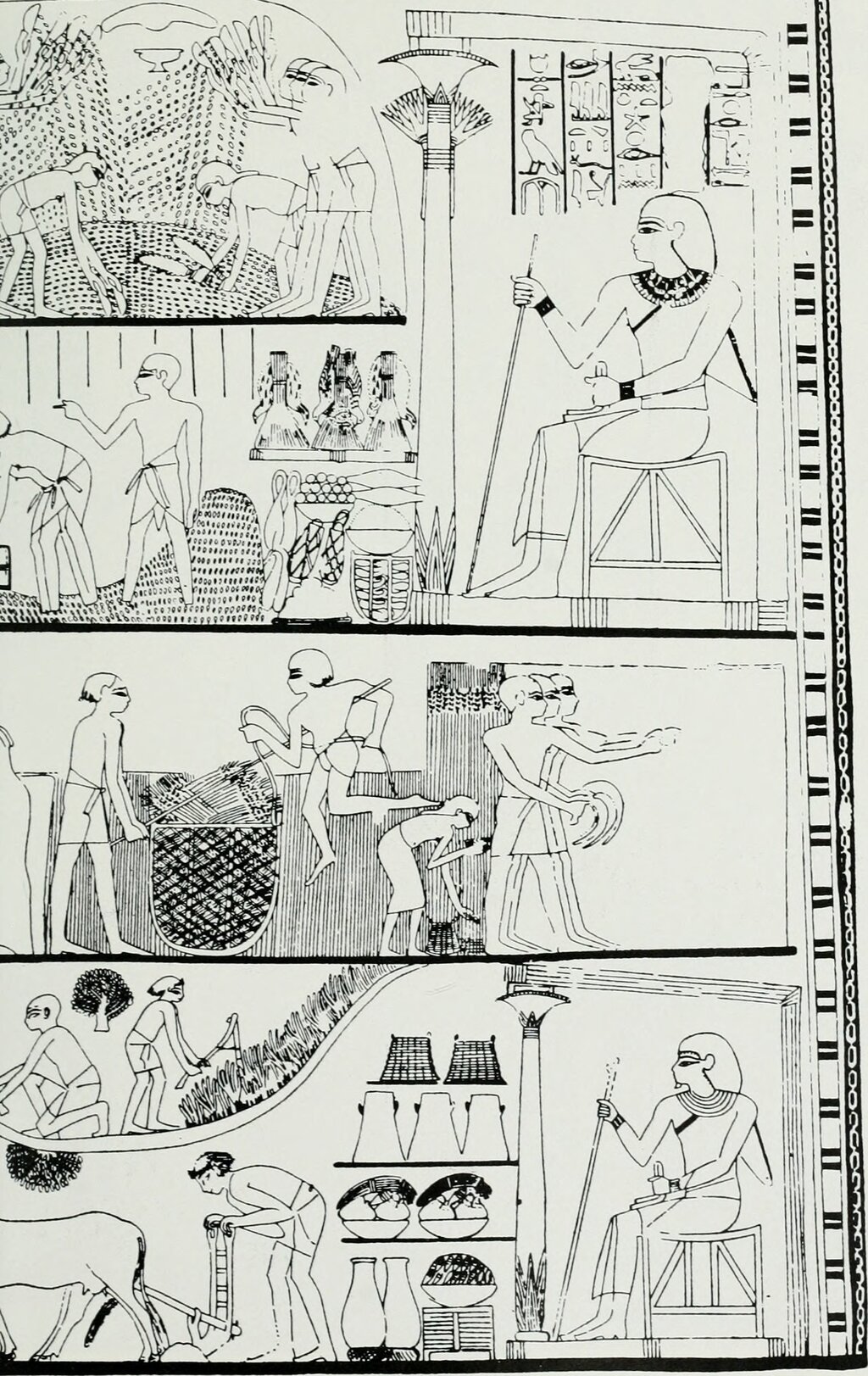
Surplus didn't just create wealth; it created new jobs. With a stable food supply, not everyone had to be a farmer. Some people could specialize in other skills. They became potters, weavers, builders, and soldiers. This division of labor made societies more productive and complex. The potter could focus on making excellent pots, confident they could trade them for the food they needed to live.
From Barter to Coin
The simplest way for the potter and the farmer to exchange goods was through barter. The farmer gives the potter a bushel of wheat, and the potter gives the farmer a sturdy clay pot. It's a direct trade of goods or services.
barter
noun
The action or system of exchanging goods or services for other goods or services without using money.
But bartering has a major drawback, sometimes called the “double coincidence of wants.” The farmer must want a pot at the exact same time the potter wants wheat. What if the potter already has enough wheat but needs a new pair of sandals? Now they need to find a sandal maker who happens to need a pot. It gets complicated fast.
To solve this, societies developed commodity money. This is an object that has value on its own but is also used as a medium of exchange. Things like salt, shells, cattle, and grain have all been used as money. They were more convenient than pure barter because nearly everyone agreed on their value.
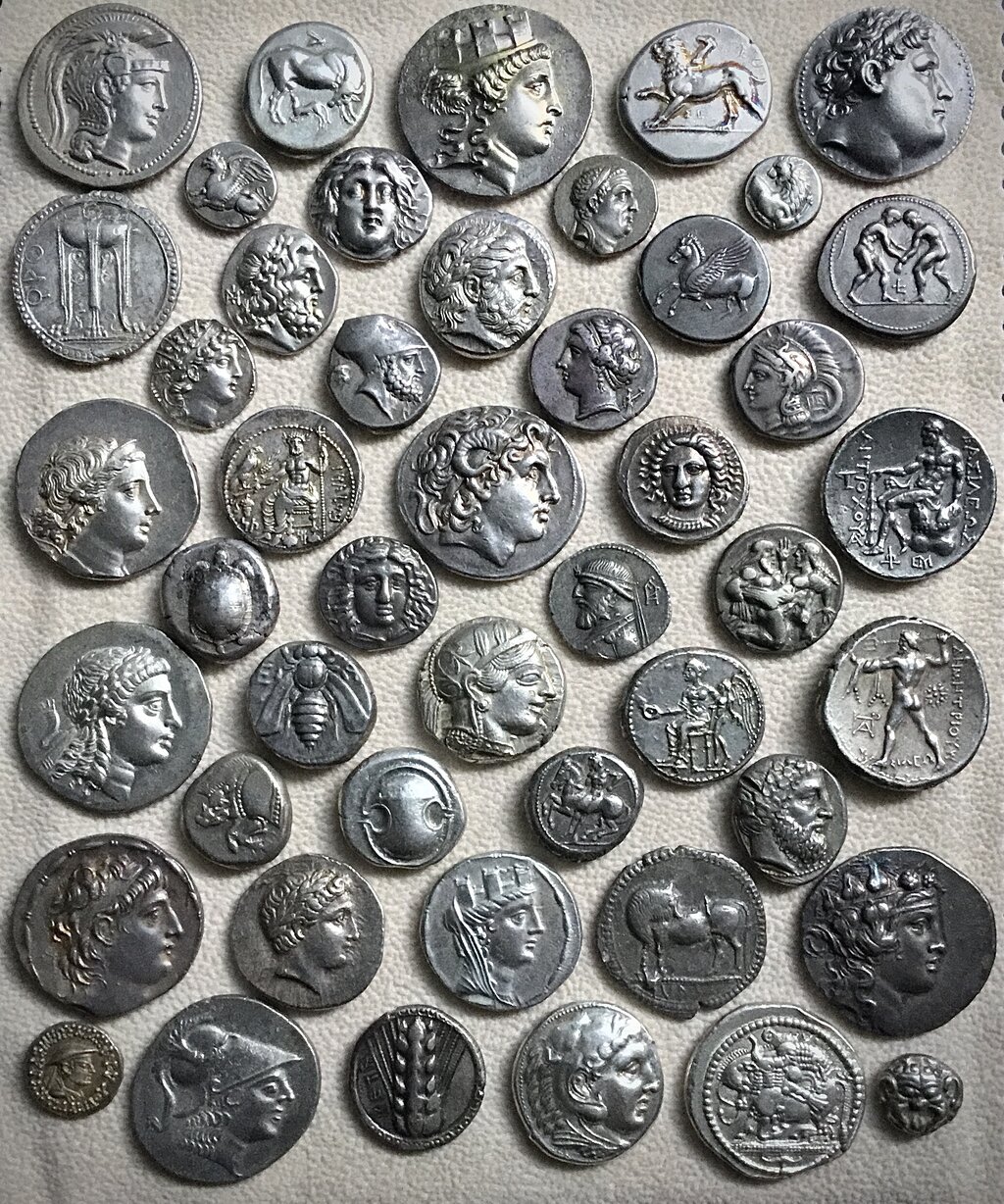
The real breakthrough was metal. Metals like gold, silver, and bronze were durable, easy to carry, and divisible. At first, people traded chunks of metal by weight. Around the 7th century BCE in Lydia (modern-day Turkey), this was standardized. Rulers began minting coins, which were discs of metal stamped with a specific weight and value. This innovation made trade faster, easier, and more reliable. You no longer needed a scale for every transaction; the coin's stamp guaranteed its worth.
Weaving a World of Trade
With agricultural surplus and the invention of money, long-distance trade exploded. Great trade networks emerged, connecting distant civilizations. The most famous of these was the Silk Road, a web of routes that linked China with the Mediterranean. But there were many others, including sea routes across the Indian Ocean and the Mediterranean Sea.
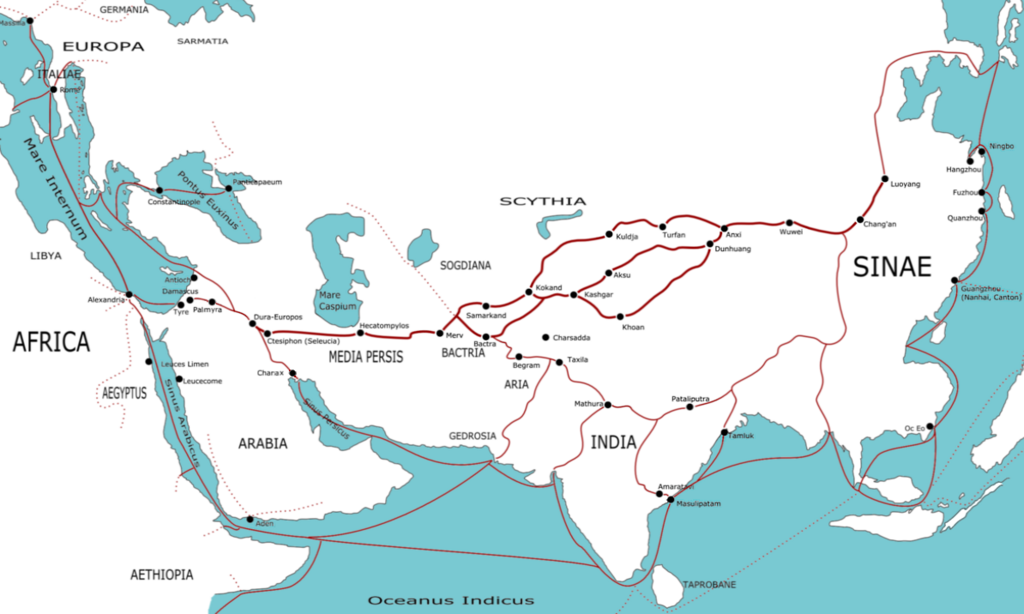
Merchants transported luxury goods like silk, spices, and precious gems over thousands of miles. These items were highly profitable but also risky to transport. More importantly, these networks also carried essential goods like grain, olive oil, wine, timber, and metals. The city of Rome, for example, depended on massive grain shipments from Egypt and North Africa to feed its huge population.
Society and the Economy
Ancient economies were deeply intertwined with social structure. At the top of the pyramid were rulers, nobles, and priests. They often controlled the most valuable resource: land. They collected taxes or tribute from the farmers who worked the land, accumulating vast wealth. This wealth funded armies, monumental building projects like pyramids and temples, and lavish lifestyles.
Below the elite were the artisans, merchants, and soldiers. While some merchants could become very wealthy, most people in this group had a middle-class existence. The vast majority of the population, however, were farmers or laborers. They performed the hard physical work that sustained the entire society, but they typically kept only a small portion of what they produced.
At the very bottom of the social and economic ladder were slaves. In many ancient societies, such as Rome and Greece, slave labor was a crucial part of the economy, used in agriculture, mining, and households.
Governments played a major role in the economy. They levied taxes, usually in the form of grain or other goods, but later in coin. They regulated markets to ensure fair weights and measures. Rulers also funded public works, like roads, bridges, and irrigation canals, which were essential for commerce and agriculture. They managed the minting of coins, controlling the money supply. In some societies, like ancient Egypt, the state had immense control, directly managing vast agricultural estates and sponsoring trade expeditions. In others, the role of government was more focused on taxation and maintaining the infrastructure that allowed private merchants to thrive.
What was the most fundamental change brought about by the agricultural revolution that allowed for the development of complex economies?
The major drawback of bartering, known as the 'double coincidence of wants', occurs when...
These early systems laid the groundwork for all future economies. The concepts of surplus, specialization, money, and trade are still central to how our world works today.