A Journey Through Early Jazz History
Origins of Jazz
The Cradle of Jazz
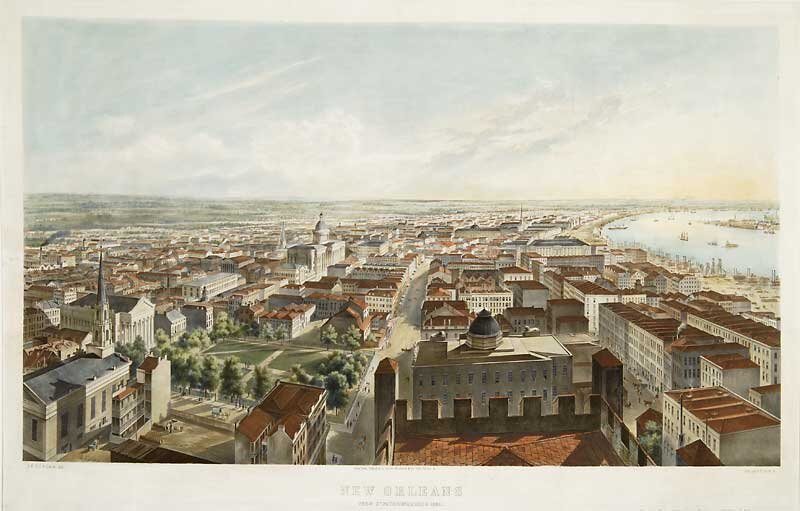
Jazz wasn't born in a vacuum. It emerged from a specific time and place: New Orleans in the late 19th and early 20th centuries. The city was a bustling port, a crossroads of cultures unlike anywhere else in America. French, Spanish, Caribbean, and African traditions mingled freely, creating a unique social and artistic environment.
Jazz started in New Orleans—a cultural crossroads where African, Caribbean, Creole, and European traditions collided.
This cultural fusion was the fertile ground from which jazz grew. The city's vibrant street life, with its parades, funerals, and social gatherings, was filled with music. Brass bands were everywhere, providing a soundtrack to daily life. This constant exposure to diverse musical styles created an environment ripe for innovation.
The African Roots
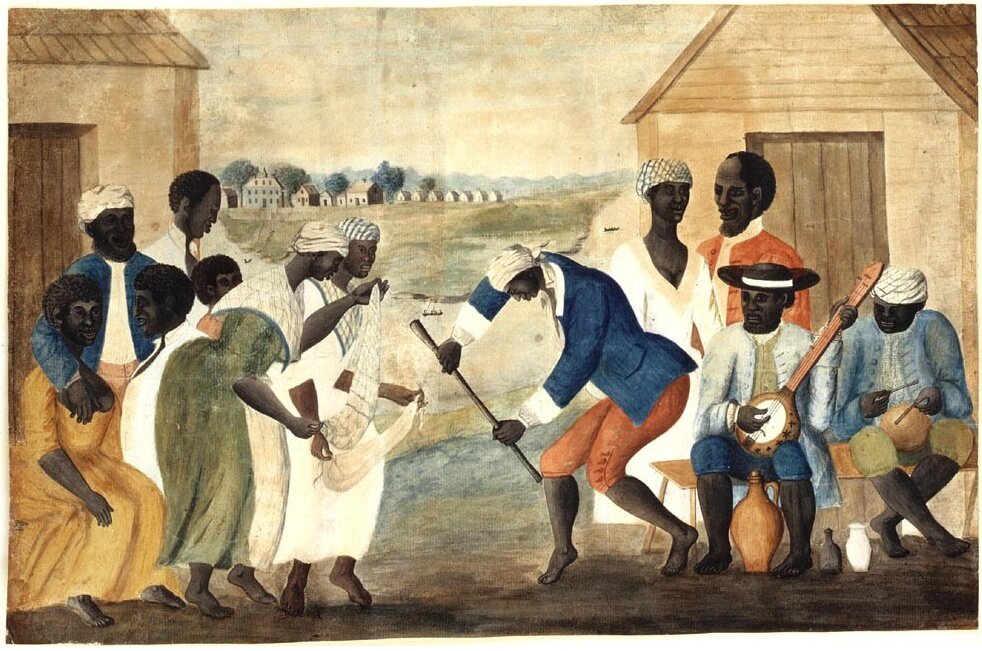
The heart of jazz beats with African rhythms. The traditions carried to America by enslaved West Africans are the bedrock of the genre. These were not just songs, but a vital form of cultural expression and survival.
| Tradition | Description |
|---|---|
| Polyrhythms | The layering of multiple, contrasting rhythms at the same time. This creates a complex, driving pulse. |
| Call and Response | A conversational pattern where one phrase is answered by another. It's found in spirituals, work songs, and the blues. |
| Improvisation | The spontaneous creation of melody. This emphasis on individual expression is a core tenet of jazz. |
| Blue Notes | Notes sung or played at a slightly different pitch than standard. These "worried" notes convey deep emotion. |
These elements were preserved and passed down through generations in work songs, field hollers, and spirituals. They provided a vocabulary for expressing the pain of bondage and the hope for freedom, becoming the foundational language of jazz.
A Musical Gumbo
In New Orleans, African musical traditions simmered with other popular styles of the day, creating a rich musical stew, or "gumbo."
Two key ingredients were blues and ragtime.
The Blues provided the soul of jazz. It was a music of storytelling, born from the hardships of African-American life in the post-slavery South. The blues gave jazz its raw emotional power, its characteristic 12-bar structure, and its signature blue notes.
Ragtime supplied the rhythmic spark. A popular piano style at the time, ragtime featured a syncopated, or "ragged," melody played over a steady left-hand rhythm. This playful, off-beat feel was a direct precursor to the swing rhythm that would later define jazz.
Spirituals and hymns also played a crucial role. The powerful vocal harmonies and call-and-response patterns of the African-American church were woven into the fabric of the new music. When these styles were combined and played by brass bands marching through the streets of New Orleans, something entirely new began to emerge: jazz.
Which city is considered the birthplace of jazz, primarily because of its unique fusion of French, Spanish, Caribbean, and African cultures?
The foundational rhythmic 'bedrock' of jazz is derived from which musical tradition?
This unique combination of ingredients could only have happened in a place like New Orleans, where cultures and sounds were free to mix, clash, and create.