A Journey Through Bulgarian History
Prehistoric and Ancient Bulgaria
The First Europeans
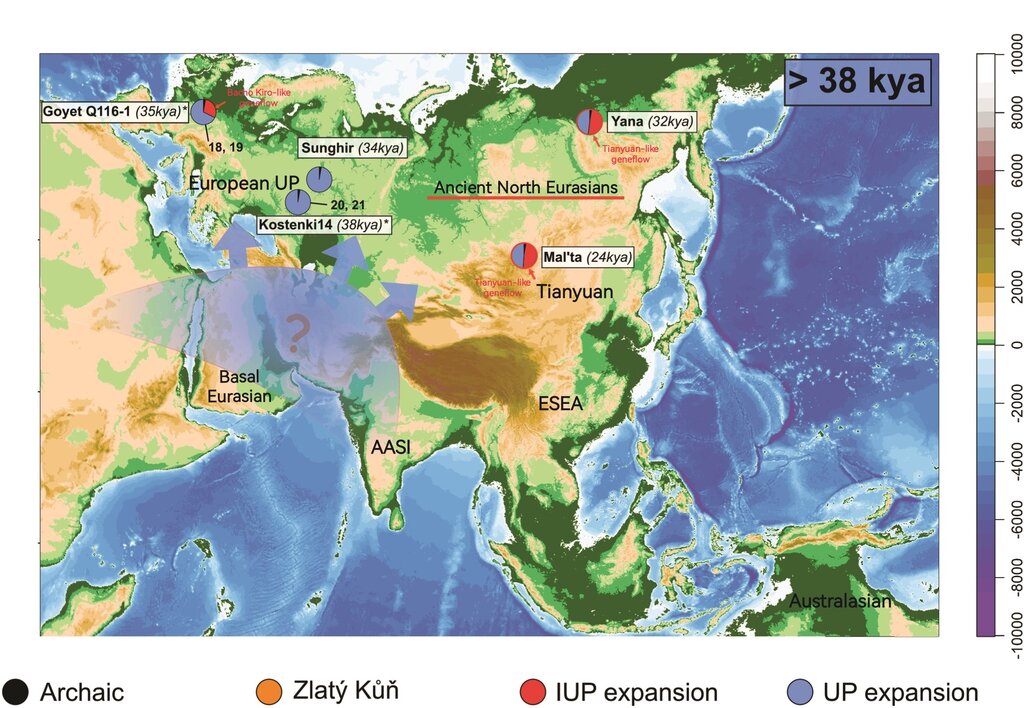
Long before Bulgaria was a country, its lands were home to some of the earliest human activity in Europe. Archaeological evidence from caves like Kozarnika and Bacho Kiro suggests human presence dating back to the Lower and Middle Paleolithic periods. These early inhabitants were hunter-gatherers, living in small groups and leaving behind stone tools as faint echoes of their existence.
The real transformation began during the Neolithic Revolution, around 6,000 BC, when farming communities started to emerge. These weren't just scattered settlements; they were thriving cultural centers. The Karanovo culture, for instance, created large settlement mounds, built up over centuries of continuous habitation. They developed sophisticated pottery and built two-story houses.
Perhaps the most stunning discovery from this era comes from the Varna Necropolis, a burial site on the Black Sea coast. Unearthed in the 1970s, it contained the oldest processed gold treasure in the world, dating back to 4,600–4,200 BC. The intricate gold beads, bracelets, and ceremonial objects show an astonishing level of craftsmanship and a complex society with clear social hierarchy, long before the pyramids of Egypt or the empires of Mesopotamia.
The Varna gold wasn't just decoration. It was a symbol of power and spiritual belief, buried with the elite to accompany them into the afterlife.
The Age of the Thracians
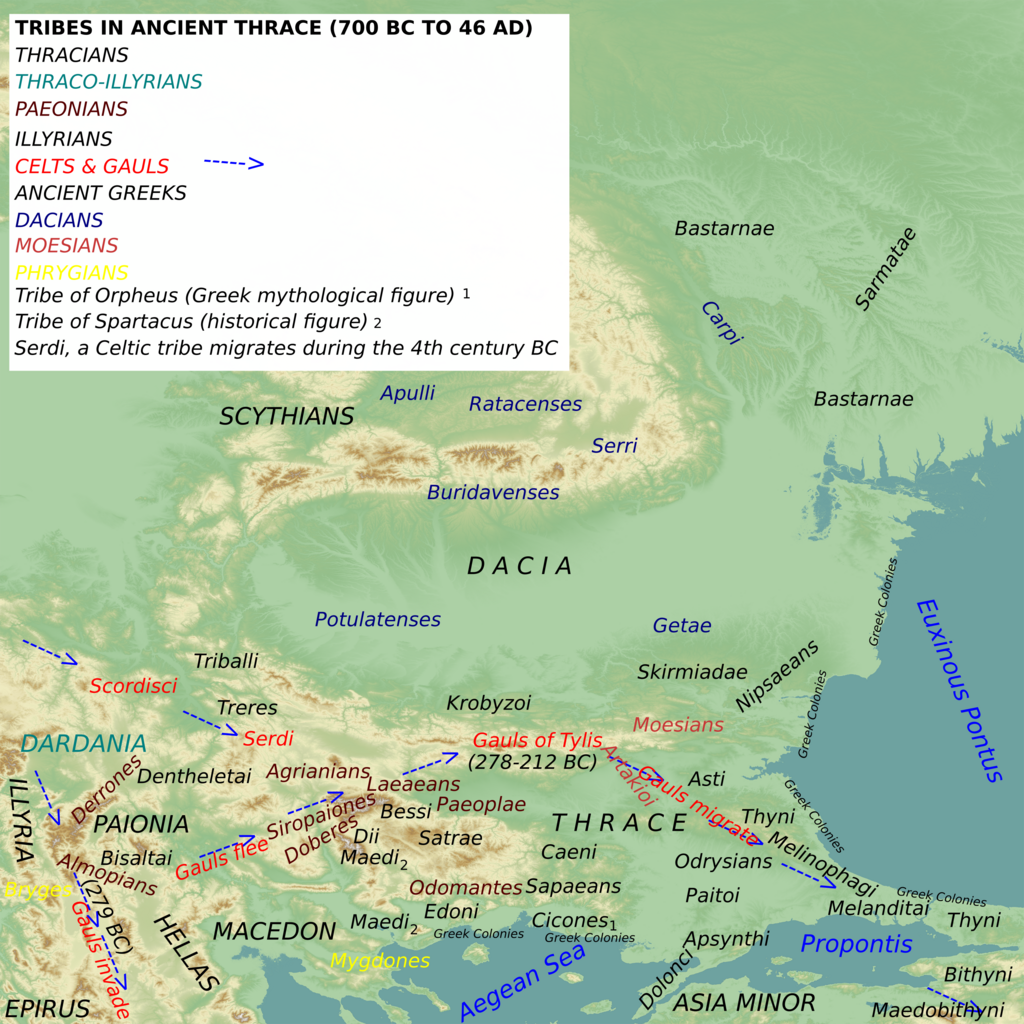
As Europe moved into the Bronze and Iron Ages, a new group of people rose to prominence in the region: the Thracians. They were not a single nation but a collection of related Indo-European tribes who shared a common language and culture. Mentioned by Homer in the Iliad as allies of the Trojans, they were known throughout the ancient world as fierce warriors and skilled horsemen.
But the Thracians were more than just fighters. They were master artisans, especially in metalworking. Their tombs have yielded spectacular treasures of gold and silver, like the Panagyurishte and Rogozen treasures, which display incredible artistry and tell stories of their mythology and rituals. Thracian religion was complex, centered on deities that the Greeks later identified with their own gods like Dionysus and Ares. The mythical figure of Orpheus, the master musician who could charm all living things, is a central part of their spiritual legacy.
Politically, the Thracians were fragmented. Tribes like the Getae, Bessi, and Triballi often clashed with each other and their neighbors. For a brief period in the 5th century BC, the Odrysian tribe managed to unite many others into the Odrysian Kingdom, the first major state entity in the region, but this unity was often fragile.
Roman Rule
The independence of the Thracian tribes came to an end with the rise of a new power: Rome. The conquest was a gradual process, beginning in the 2nd century BC and culminating in 46 AD when the last Thracian kingdom was annexed and the region was formally incorporated into the Roman Empire.
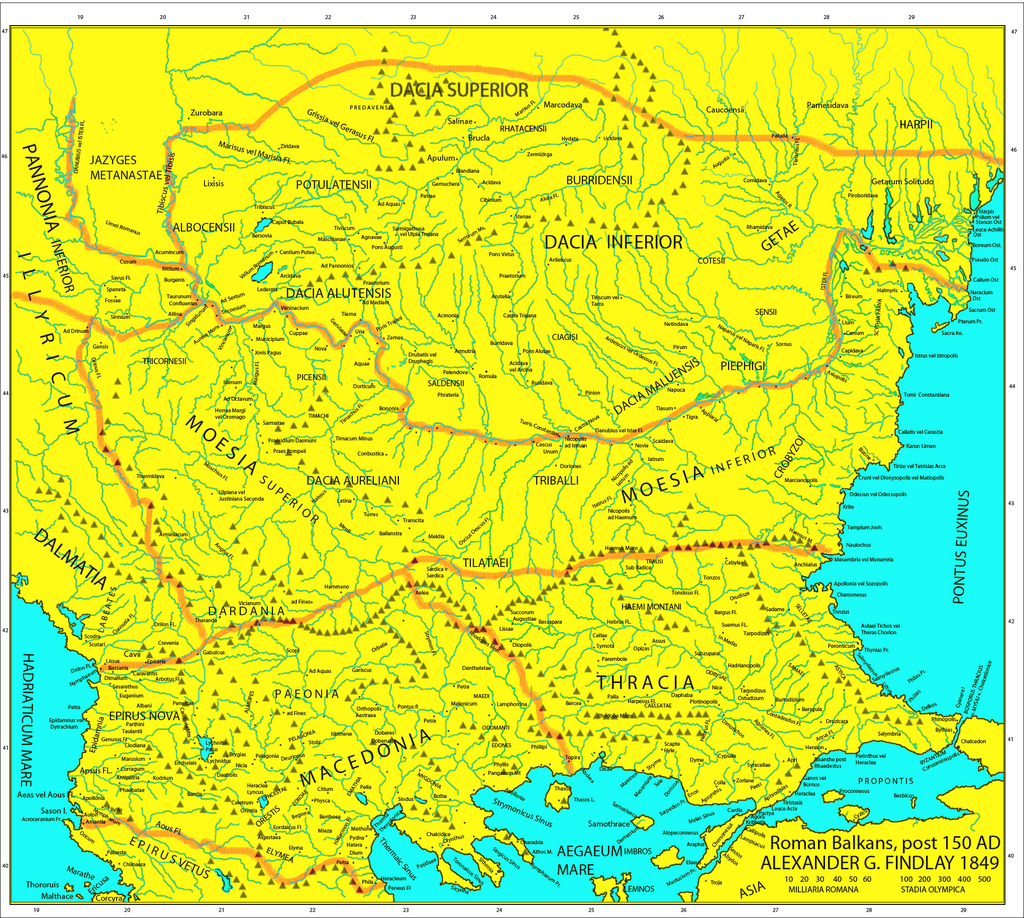
The Romans divided the territory into the provinces of Moesia (north of the Balkan Mountains) and Thracia (to the south). Roman rule brought profound changes. They built a network of roads, like the Via Militaris, which connected Central Europe with Constantinople. They founded cities or developed existing Thracian settlements into major urban centers. These cities became hubs of trade, administration, and culture, complete with forums, temples, and theaters.
While Romanization occurred, Thracian culture didn't disappear. Instead, it blended with Roman traditions. Local Thracian deities were often worshipped alongside Roman gods in a process called syncretism. Thracians also became a vital part of the Roman army, with many rising to high ranks and some even becoming emperors, like Maximinus Thrax.
| Roman City | Modern Name | Province |
|---|---|---|
| Serdica | Sofia | Thracia |
| Philippopolis | Plovdiv | Thracia |
| Oescus | Gigen | Moesia |
| Nicopolis ad Istrum | Nikyup | Moesia |
| Augusta Traiana | Stara Zagora | Thracia |
For centuries, the region was a crucial part of the Roman Empire, guarding the vital Danube frontier against barbarian incursions. This period of relative stability and prosperity laid the groundwork for the cultural and ethnic shifts that would define the area in the centuries to come.
What is the main archaeological significance of the Varna Necropolis?
Which statement best describes the political organization of the Thracians for most of their history?