A Journey Through Art History
Introduction to Art History
What Is Art History?
Art history is more than just a timeline of famous paintings. It's the study of art within its historical and cultural context. Think of it like being a detective. You're not just looking at a pretty picture; you're looking for clues about the people who made it, the world they lived in, and the ideas they wanted to express.
Art movements are not merely footnotes in the pages of history; they are the very essence of how we perceive, interpret, and document the evolution of human culture.
Art historians ask questions like: Who created this? Why did they make it? Who paid for it? What was happening in the world when it was made? The answers help us understand not just the artwork itself, but the values, beliefs, and struggles of entire civilizations.
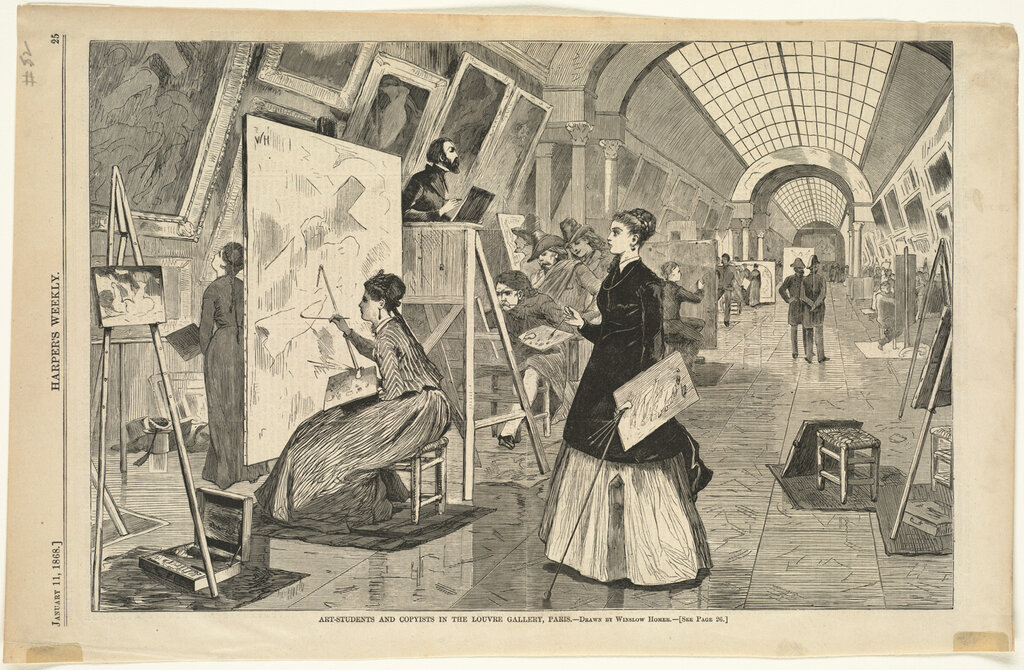
This field covers everything from prehistoric cave paintings to modern digital installations. It’s a way to have a conversation with the past, seeing the world through the eyes of those who came before us.
Tools of the Trade
To analyze art, historians use a shared vocabulary. Knowing these terms helps you look closer and describe what you see more precisely. Here are a few to get started:
composition
noun
The arrangement of elements within a work of art.
Composition is about how the artist organizes lines, shapes, colors, and textures. Is the arrangement balanced and symmetrical, or is it chaotic and jarring? Does your eye get drawn to a specific point? That's all part of the composition.
medium
noun
The material or materials used to create a work of art.
The medium can be anything from oil paint on canvas, to clay, to digital pixels. The choice of medium deeply affects the final work's appearance, texture, and feel. A watercolor painting has a different mood than a bronze statue.
| Term | Meaning |
|---|---|
| Style | The characteristic way an artist or group of artists expresses themselves. |
| Subject Matter | What the artwork depicts: a person, a landscape, a biblical scene, or an abstract idea. |
| Iconography | The study of symbols and themes in art. A dove might represent peace, for example. |
How to Analyze Art
When you look at a piece of art, a common first step is a formal analysis. This means you focus only on what you can see: the visual elements. It's an objective description of the artwork's form, not its story or meaning (yet).
Try it. Find a picture and describe it out loud as if to someone who can't see it. Mention the colors, the direction of the lines, the textures you imagine, and where things are placed. This is the start of formal analysis.
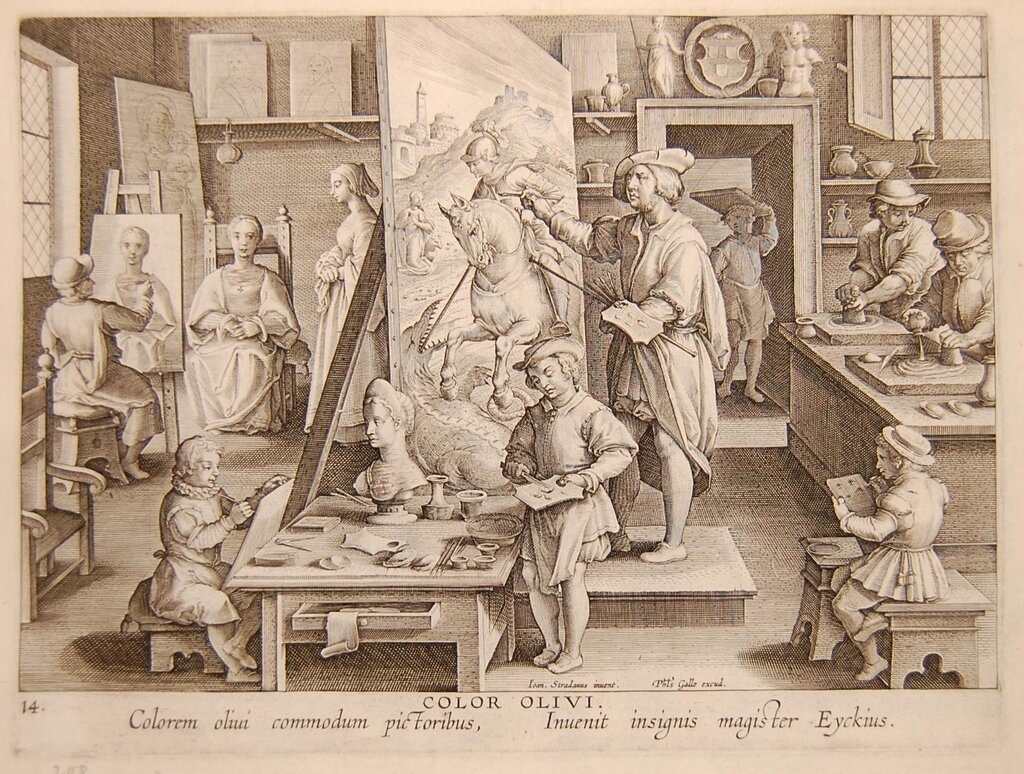
After observing the 'what', we can move on to the 'why'. This is where context comes in. Context is the backdrop against which the art was created. It includes the artist's life, the social and political events of the time, the religious beliefs of the culture, and who the art was made for (the patron).
For example, a formal analysis of a medieval painting of a king might note his golden crown and stiff pose. A contextual analysis would add that the gold leaf signifies wealth and divine right, and the rigid posture reflects the era's formal social hierarchies. Combining these gives us a much richer interpretation.
Ready to test your knowledge?
What is the primary goal of art history?
An art historian who is only describing the colors, lines, and textures they see in a sculpture is performing a __________.
By learning to look at art through these different lenses, you're not just memorizing names and dates. You're building a deeper appreciation for the creative story of humanity.