A Journey Through Architectural History
Ancient Architecture
Cities of Clay
In Mesopotamia, the land between the Tigris and Euphrates rivers, two things were abundant: water and mud. Stone and timber were scarce. So, the early city-builders of Sumer, Akkad, and Babylon worked with what they had. They mixed river mud with straw, pressed it into molds, and baked it in the sun to create mud bricks.
These bricks were the building blocks of their entire civilization. While not as durable as stone, they allowed Mesopotamians to construct massive city walls for protection and grand palaces for their rulers. But their most iconic creations were ziggurats.
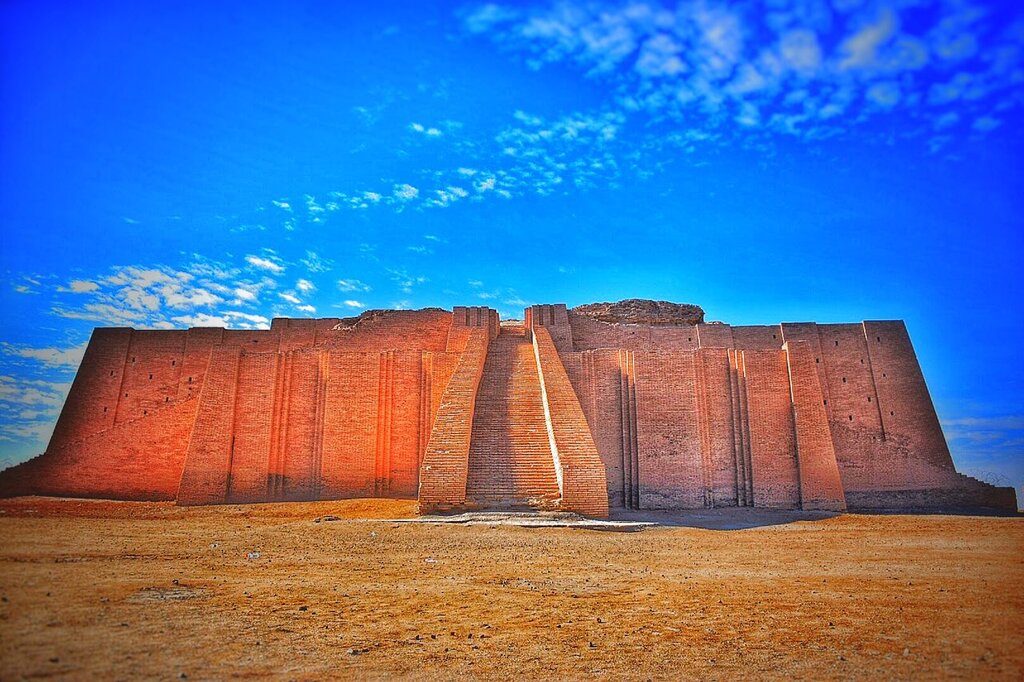
A ziggurat is a terraced, stepped pyramid with a temple at the very top. It wasn't a tomb or a place for public worship. Instead, it was seen as a literal stairway to heaven, a man-made mountain connecting the earth to the divine. Priests would perform rituals in the summit temple, making offerings to the city's patron god.
Because they were made of mud brick, very few ziggurats survive today. They have slowly eroded back into the earth over thousands of years.
Monuments of Stone
Travel southwest to ancient Egypt, and the architectural story changes dramatically. Unlike Mesopotamia, Egypt had vast quarries of limestone, sandstone, and granite. This access to stone, combined with a deep-seated belief in the afterlife, shaped their monumental architecture.
For the Egyptians, life on Earth was just a prelude to an eternal journey. Their architecture was built to last forever, ensuring a pharaoh's safe passage to the next world and serving as an eternal home for the gods.
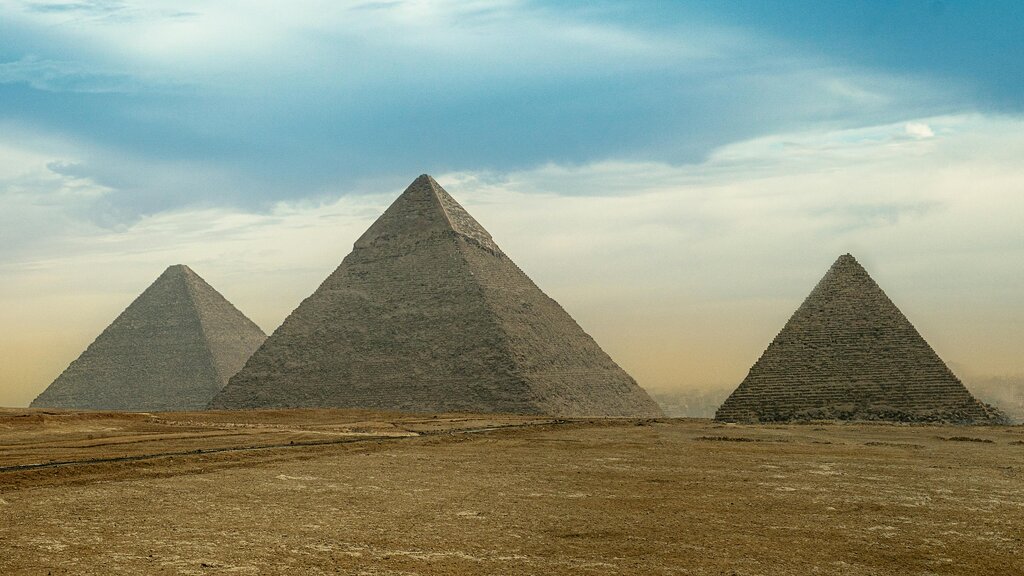
The most famous examples are the pyramids. These weren't just impressive structures; they were resurrection machines. Their shape was thought to mimic the primeval mound from which the Egyptians believed the world was created, and the sloping sides were a ramp the pharaoh's spirit could climb to join the gods in the sky. Inside, complex passages led to burial chambers designed to protect the pharaoh's body and worldly possessions.
While pyramids were for the dead, temples were built as homes for the living gods. Grand temples like Karnak and Luxor were not single buildings but sprawling complexes that grew over centuries. They featured massive gateways called pylons, vast open courtyards, and dark, mysterious halls filled with a forest of columns, known as hypostyle halls.
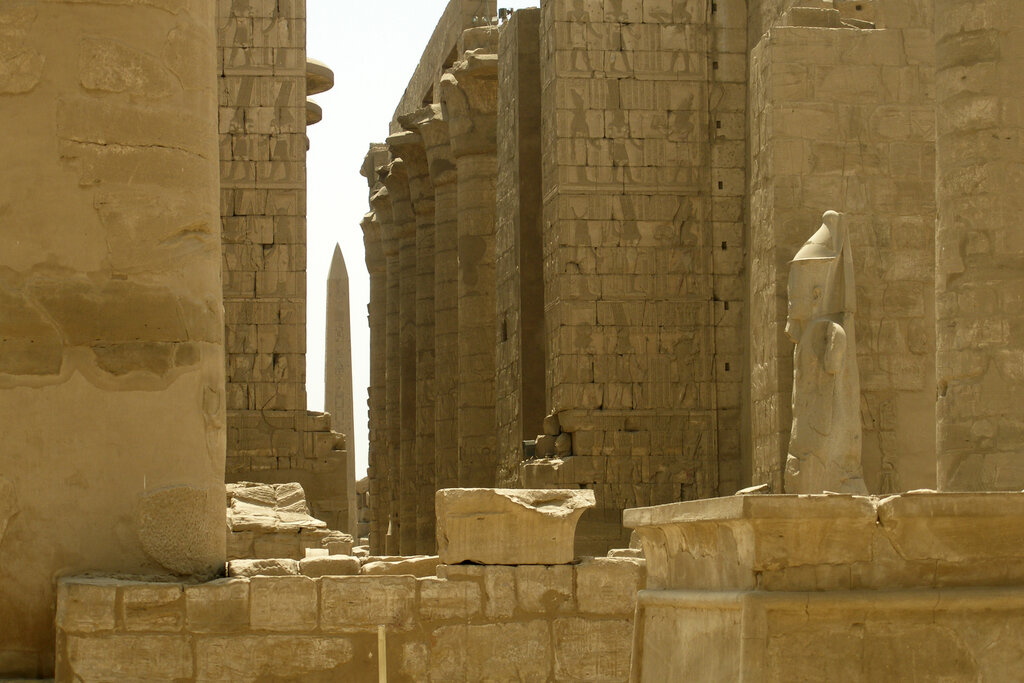
Nearly every surface of these temples was covered in intricate carvings and brightly painted reliefs. These hieroglyphs and images told stories of the gods, celebrated the pharaoh's military victories, and recorded important rituals. They were both decoration and sacred text, meant to sustain the gods and preserve the cosmic order.
Two Worlds Compared
The differences between Mesopotamian and Egyptian architecture reflect their unique environments and beliefs.
| Feature | Mesopotamia | Egypt |
|---|---|---|
| Primary Material | Sun-dried mud brick | Limestone, granite, sandstone |
| Key Structure | Ziggurat (temple) | Pyramid (tomb), Temple |
| Main Purpose | Connecting with gods on Earth | Ensuring passage to the afterlife |
| Durability | Prone to erosion | Built to last for eternity |
Ready to test your knowledge on these ancient builders?
What was the primary building material used by the ancient Mesopotamians for their major structures?
According to the text, what was the main function of an ancient Egyptian pyramid?
Both civilizations used architecture to express their relationship with the divine, but the materials they had and their views on life and death led them down two very different paths.