A History of Stimulant Use Disorder and Its Treatments
Introduction to Stimulants
The Body's Accelerators
Stimulants are drugs that speed up the messages traveling between the brain and the body. They can make a person feel more awake, alert, confident, or energetic. Because they elevate mood and increase feelings of well-being, they are often called “uppers.”
This broad category includes substances ranging from the caffeine in your morning coffee to potent illegal drugs and prescription medications used to treat conditions like ADHD.
Psychoactive
adjective
A substance that affects how the brain works and causes changes in mood, awareness, thoughts, feelings, or behavior.
A Flood of Feel-Good Chemicals
How do stimulants produce these effects? They work by altering the levels of certain chemicals in the brain called neurotransmitters. Think of neurotransmitters as messengers that carry signals between brain cells, influencing everything from your mood to your heart rate.
Stimulants primarily affect two key messengers: dopamine and norepinephrine. Dopamine is strongly associated with pleasure, reward, and motivation. Norepinephrine helps mobilize the brain and body for action, increasing alertness, arousal, and attention.
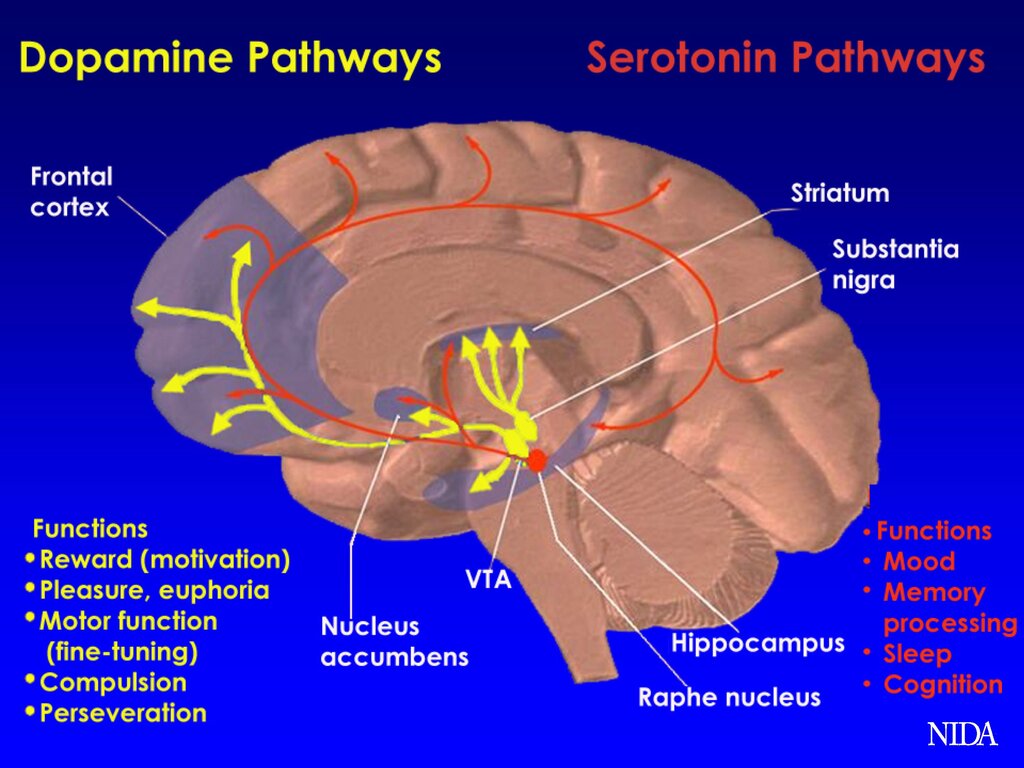
Normally, after these chemicals deliver their message, they are reabsorbed by the brain cell that released them in a process called reuptake. Stimulants block this reuptake process. With the reabsorption pathway blocked, dopamine and norepinephrine build up in the synapse—the gap between brain cells—amplifying their effects and creating the characteristic stimulant high.
Common Types of Stimulants
Stimulants can be found in many forms, some legal and widely used, others available only by prescription, and some that are illegal.
| Stimulant | Common Forms | Legal Status |
|---|---|---|
| Caffeine | Coffee, tea, soda, energy drinks | Legal |
| Nicotine | Tobacco products, vaping liquids | Legal (with age restrictions) |
| Amphetamines | Adderall, Dexedrine, Vyvanse | Prescription-only |
| Methylphenidate | Ritalin, Concerta | Prescription-only |
| Cocaine | Powder, crack cocaine | Illegal |
| Methamphetamine | Crystal meth, speed | Illegal |
Prescription stimulants, like amphetamines and methylphenidate, are effective treatments for conditions such as Attention-Deficit Hyperactivity Disorder (ADHD) and narcolepsy. When taken as directed by a doctor, they can help improve focus and control impulsivity. However, they also have a high potential for misuse.
Short and Long-Term Effects
The immediate effects of stimulants are often desirable, leading to their use and misuse. Users may feel euphoric, energetic, and mentally sharp. Physically, the body kicks into high gear: heart rate, blood pressure, and breathing all increase, while appetite decreases. High doses can lead to dangerously high body temperature and an irregular heartbeat.
After the initial high wears off, users often experience a “crash,” marked by fatigue, depression, and irritability.
Short-term effects include increased alertness, euphoria, and a suppressed appetite. Long-term use, however, can lead to serious health consequences.
Chronic or high-dose use can have devastating long-term consequences. The constant overstimulation can damage the cardiovascular system, leading to heart attacks or strokes. Psychologically, long-term use can trigger paranoia, hallucinations, and psychosis that can be mistaken for schizophrenia.
Other effects include extreme weight loss, insomnia, anxiety, and severe dental problems, particularly with methamphetamine. The most significant long-term effect is addiction, a compulsive drug-seeking behavior that is difficult to control despite harmful consequences.
Now, let's review some key ideas about stimulants.
Ready to test your knowledge? Let's see what you've learned.
Stimulants primarily increase the levels of which two neurotransmitters in the brain?
How do stimulants produce their effects in the brain?
Understanding what stimulants are and how they affect the body is the first step in recognizing their potential for both therapeutic use and significant harm.