A History of Pandemic Prevention Policy
Early Public Health Measures
First Lines of Defense
Long before anyone knew what a germ was, societies understood a fundamental truth: sickness spreads. Their earliest defenses against widespread disease were built on common sense and careful observation. Two strategies proved essential: keeping cities clean and keeping the sick away from the healthy.
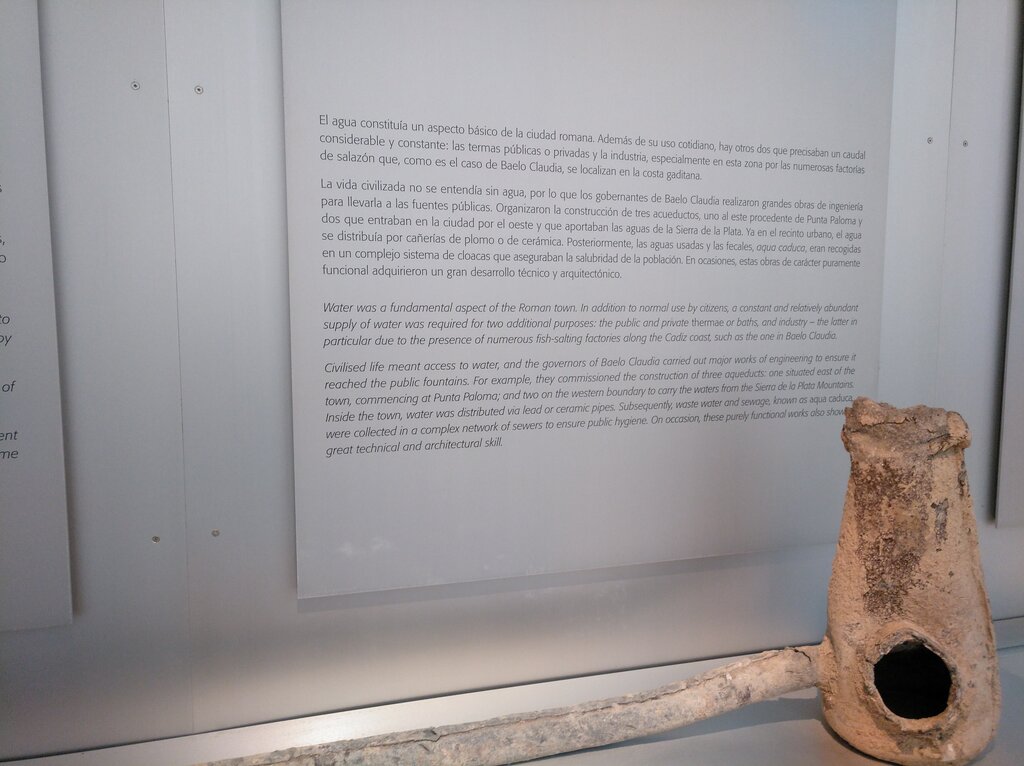
Ancient civilizations were pioneers in public sanitation. As cities grew, managing waste and securing clean water became critical. The Romans are famous for their engineering, including aqueducts that carried fresh water for miles and complex sewer systems, like the Cloaca Maxima in Rome, which drained waste away from populated areas. These weren't just for convenience; they were vital public health projects.
Even earlier, cities in the Indus Valley, such as Mohenjo-daro (around 2500 BCE), had homes with private baths and a sophisticated network of covered drains running along the streets. Cleanliness was a clear priority.
The Black Death and Isolation
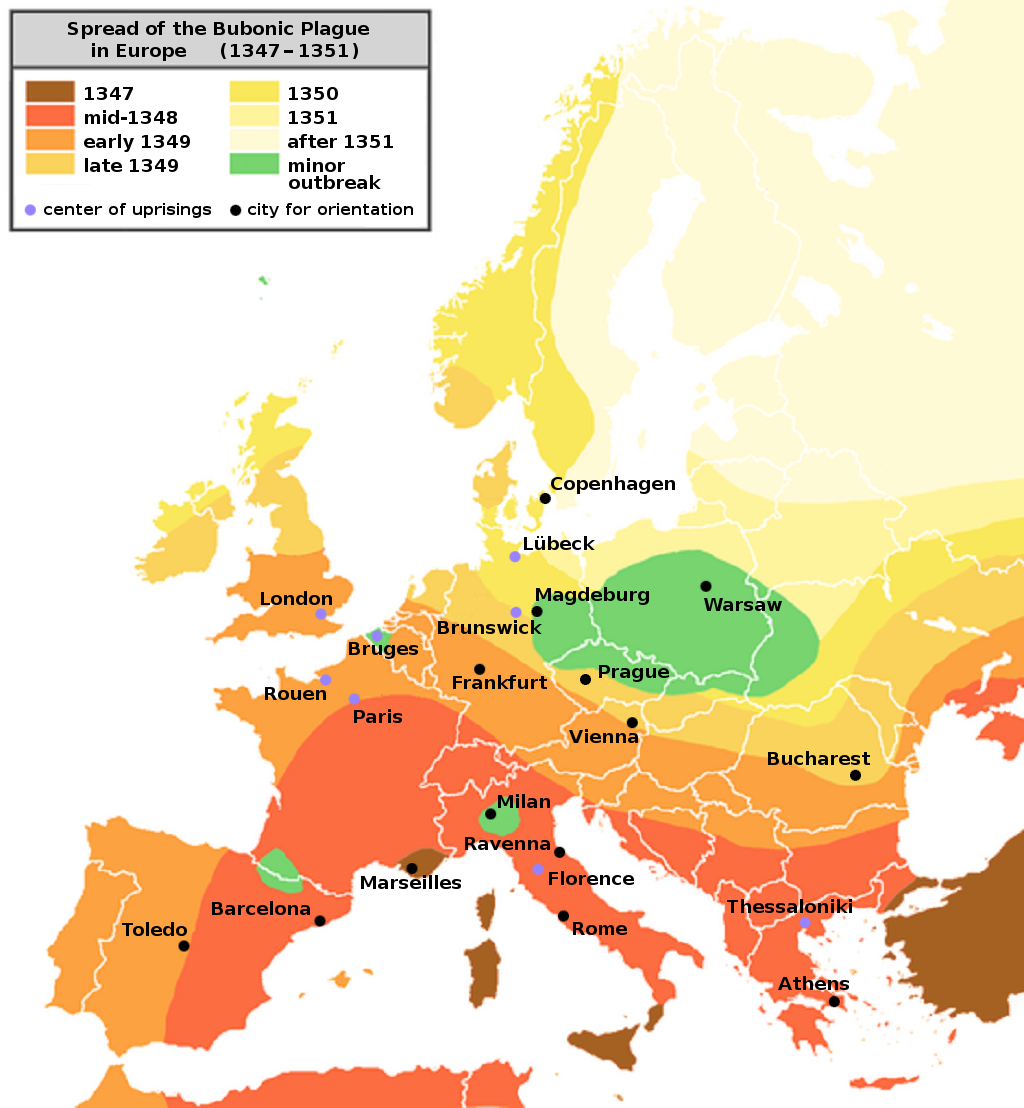
Sanitation helped, but it couldn't stop the spread of highly contagious diseases. When the Black Death ravaged Europe in the mid-14th century, killing an estimated 30-50% of the population, authorities turned to a more drastic measure: isolation.
The port city of Ragusa (modern-day Dubrovnik) was one of the first to act. In 1377, it passed a law requiring all incoming sailors and merchants from plague-ridden areas to spend 30 days in a designated spot outside the city walls before they could enter. This period was called a trentino.
Venice, another major trading hub, soon adopted and extended this practice. They forced ships to anchor away from the city for 40 days. This 40-day period, or quarantino, gave us the modern word "quarantine."
One of the few effective measures against the spread of the plague was the practice of quarantine, particularly in port cities.
The logic was simple. If a ship's crew was infected, the disease would manifest during the isolation period. Only those who remained healthy after 40 days were allowed ashore. It was a blunt instrument, based not on scientific knowledge of bacteria or viruses, but on the observation that the disease had a limited incubation and infectious period.
Quarantine
noun
A state, period, or place of isolation in which people or animals that have arrived from elsewhere or been exposed to infectious or contagious disease are placed.
These early attempts at public health were far from perfect. They were often enforced inconsistently and were based on an incomplete understanding of how disease worked. Yet, the principles of sanitation and quarantine established a crucial foundation. They were the first large-scale, organized efforts to protect the health of an entire community, paving the way for the more systematic public health approaches of the future.