A Day in the Life of an Accountant
Introduction to Accounting
What Is Accounting?
Think of accounting as the language of business. It’s a way to tell the financial story of a company—where its money came from, where it went, and where it is now. Just like learning a language helps you communicate, understanding accounting helps you understand what a business is doing and how well it’s performing.
Accounting
noun
The process of recording, summarizing, and reporting financial transactions to provide information that is useful in making business decisions.
The main purpose of all this record-keeping is to help people make better decisions. Company managers need to know if they have enough cash to pay their employees. Investors want to see if the company is profitable before they buy its stock. Lenders need to assess if a business can pay back a loan. Accounting provides the clear, organized information everyone needs to make these choices.

The Core Equation
At the heart of all accounting is a single, simple idea called the accounting equation. It’s the foundation that ensures everything stays in balance. Every transaction, no matter how complex, must satisfy this equation.
It has three parts:
- Assets: These are the resources a company owns that have value. Think of cash in the bank, machinery in a factory, or the computers in an office.
- Liabilities: These are the debts a company owes to others. This includes things like loans from a bank or bills from suppliers that haven't been paid yet.
- Equity: This is what’s left over for the owners. It’s the total value of the assets minus the company's liabilities. You can think of it as the owners' stake in the company.
This equation must always be balanced. For everything that happens on one side, something must happen on the other to keep it equal. This relationship is the core of a system called double-entry bookkeeping, where every transaction affects at least two accounts.
For example, if a small bakery buys a new oven for 💲5,000 cash, its assets (equipment) go up by 💲5,000, but another asset (cash) goes down by 💲5,000. The equation remains balanced. If the bakery bought the oven with a loan, its assets (equipment) would increase by 💲5,000 and its liabilities (loans) would also increase by 💲5,000, keeping the two sides of the equation equal.
Why Accuracy Is Everything
Keeping the accounting equation in balance isn't just a mental exercise. It's about maintaining accurate financial records, which is crucial for any business. Think of it like a ship's navigation system. If the data is wrong, the captain might steer the ship in the wrong direction.
Accurate records help a business:
- Track Performance: See if it's making a profit or losing money.
- Manage Cash Flow: Ensure there's enough money to pay bills and employees.
- Secure Funding: Provide reliable information to banks or investors when seeking a loan or investment.
- Comply with Regulations: Meet legal requirements for reporting financial information.
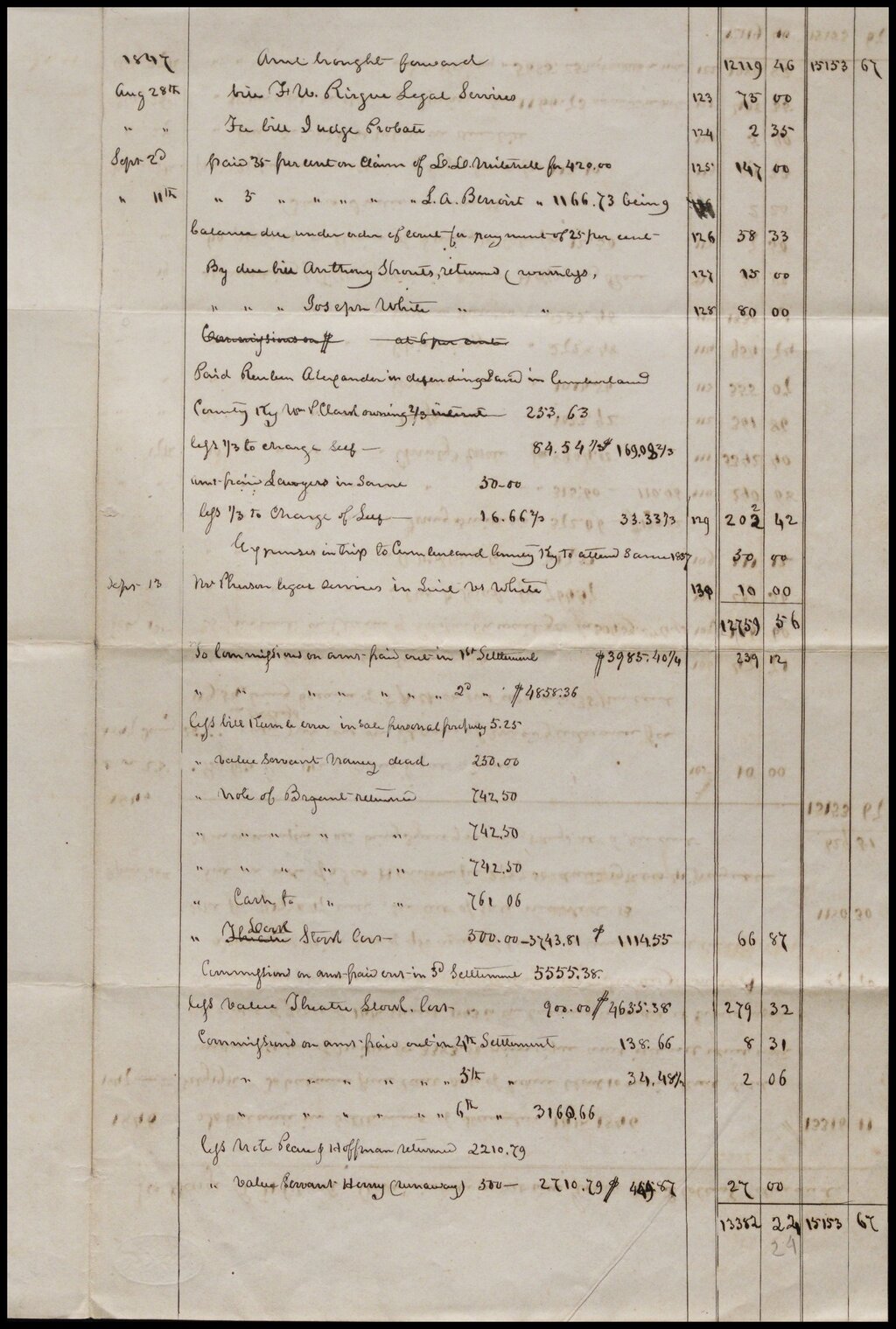
Without accurate accounting, a business is flying blind. Small errors can compound over time, leading to poor decisions, financial instability, and even business failure. That's why attention to detail is so important in this field.
The accounting equation (or basic accounting equation) offers us a simple way to understand how these three amounts relate to each other.
Now, let's test your understanding of these fundamental concepts.
Why is accounting often referred to as the 'language of business'?
A company purchases a new delivery truck with cash. How does this transaction affect the accounting equation?
Understanding these core ideas—the purpose of accounting, the basic equation, and the need for accuracy—is the first step in mastering the language of business.