A Day in the Life of a Data Scientist
Introduction to Data Science
What Is Data Science?
Think of a data scientist as a modern-day detective. Instead of searching a crime scene for clues, they search through vast amounts of data. The goal is the same: to find patterns, uncover hidden stories, and solve complex puzzles.
Data science is the field dedicated to extracting knowledge and insights from data, both structured and unstructured. In a world where we generate more information every day than ever before, the ability to make sense of it all is a superpower. Businesses, non-profits, and governments use these insights to make smarter decisions, create better products, and understand the world more deeply.
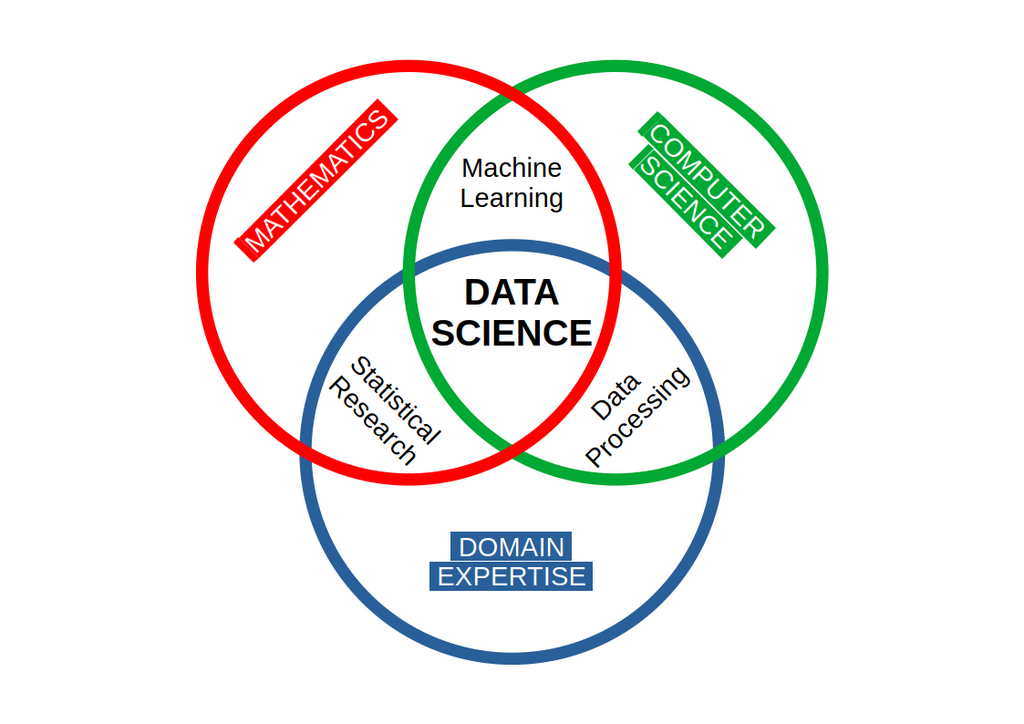
Data Science is an interdisciplinary field that uses various techniques from statistics, mathematics, computer science, and domain-specific knowledge to extract insights from vast amounts of data.
This isn't just about numbers on a spreadsheet. It’s a blend of different skills. A data scientist needs the statistical know-how of a mathematician, the coding skills of a computer scientist, and the critical thinking of a business strategist. They combine these skills to transform raw information into a clear narrative that can guide action.
The Data Science Lifecycle
A data science project isn't a single event but a continuous cycle. It follows a structured process to ensure the final insights are reliable and relevant. While the details can vary, the core stages are consistent.
-
Business Understanding: It all starts with a question. What problem are we trying to solve? This could be anything from 'Why are customer sales declining?' to 'Can we predict which machines will need maintenance?'. Defining a clear goal is the most critical step.
-
Data Collection & Cleaning: Next, the detective work begins. Data scientists gather relevant data from various sources. This raw data is often messy, with missing values, errors, or inconsistencies. A significant amount of time is spent 'cleaning' and preparing the data, making it ready for analysis. It's not glamorous, but it's essential.
-
Exploratory Analysis: Once the data is clean, data scientists start exploring. They look for initial patterns, trends, and relationships. This is where they form hypotheses about what the data might be saying. Visualizing the data with charts and graphs is a key part of this stage.
-
Modeling: In this stage, data scientists apply more advanced techniques, often using machine learning algorithms, to build a model that can make predictions or classify information. The goal is to create a model that accurately answers the initial question.
-
Communication & Deployment: A brilliant insight is useless if no one understands it. The final step is to communicate the findings to stakeholders, often through reports, dashboards, or presentations. If the model is built for an application (like a recommendation engine), it's deployed into a live environment.
A Day in the Life
So what does a data scientist actually do all day? It's a mix of different tasks that draw on their diverse skill set. A typical day might involve meeting with business leaders to understand their challenges, writing code to clean and analyze a new dataset, and building a presentation to share findings with the marketing team.
They are part problem-solver, part storyteller, and part engineer. They might spend a morning digging through databases to find the right information, an afternoon experimenting with different predictive models, and the end of the day explaining a complex statistical concept in simple terms to a non-technical colleague.
Ultimately, a data scientist's job is to bridge the gap between raw data and strategic action.
Their work impacts almost every industry imaginable. In e-commerce, they analyze purchasing habits to create personalized shopping experiences. In healthcare, they might build models to predict disease outbreaks. In finance, they develop algorithms to detect fraudulent credit card transactions in real-time. The applications are constantly expanding as we find new ways to harness the power of data.
Now, let's test your understanding of these core concepts.
What is the primary goal of data science?
According to the typical data science lifecycle, what is the most critical first step of any project?
Data science is a field that turns raw data into understanding and action. By following a structured lifecycle, data scientists can uncover valuable insights that help organizations navigate a complex world.