A Child's Invocation Analysis
Historical Context
A Prayer Beyond the Assembly Hall
For millions across South Asia, the opening lines of 'Bachay Ki Dua' (A Child's Invocation) are instantly recognisable. Sung in school assemblies for generations, the poem has become a cornerstone of childhood education. But its origins go much deeper than a simple morning ritual. Written by the poet-philosopher Allama Muhammad Iqbal in 1902, it was published in his seminal Urdu collection, '' (The Call of the Marching Bell).
At the time, British India was a society in flux. Traditional structures were being challenged, and a new generation was grappling with its identity. Iqbal saw the need for a new kind of education, one that didn't just impart knowledge but also built character. He believed the youth needed a mission, a spiritual purpose to guide them. 'A Child's Invocation' was his answer. It wasn't just a poem for children; it was a piece of reformist literature designed to shape the minds and souls of future leaders.
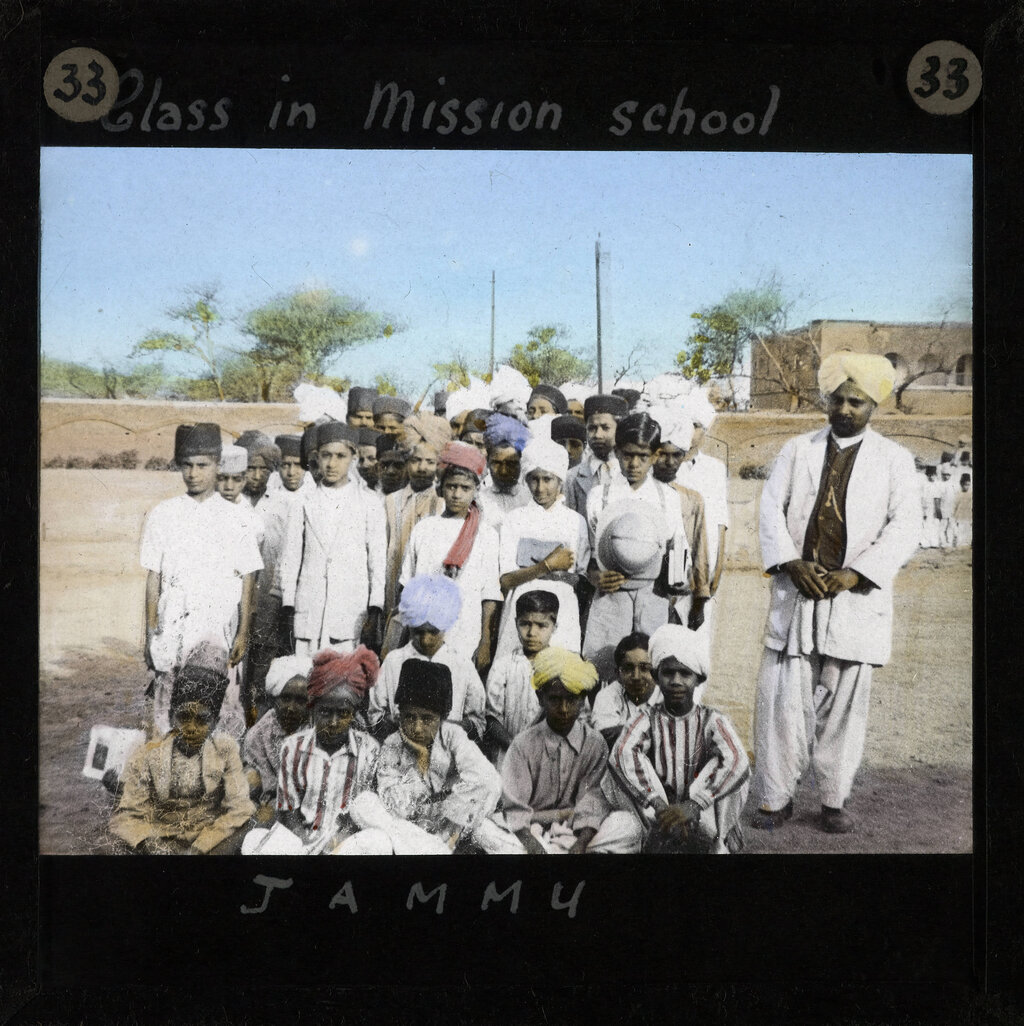
A Mission for the Youth
Iqbal's educational philosophy was rooted in the idea of action and self-realisation. He wanted to move away from rote learning and passive acceptance. The poem is a perfect vehicle for this. Through the simple words of a child's prayer, Iqbal introduces foundational elements of his philosophy. The desire to serve humanity, the thirst for knowledge, and the commitment to a life of empathy and purpose are all woven into its verses.
This approach is an early, accessible introduction to his more complex concept of 'Khudi', or Selfhood. Instead of presenting a dense philosophical argument, he offers an aspiration. The child prays to be a candle that banishes the world's darkness, a beautiful metaphor for a proactive, enlightened existence. The poem asks the child not just to be good, but to do good, transforming a personal prayer into a social contract.
The Voice of a Generation
Choosing a child as the narrator was a masterful decision. The innocence of a child's voice gives the poem a universal appeal, cutting across social and religious divides. The 'invocation' is pure and direct, free from the cynicism that can accompany adult ambition. It frames a grand social vision in the most personal and relatable terms possible: a child's deepest wish.
The poem transforms a personal wish into a collective mission for social and spiritual renewal.
This dual identity is what gives the poem its enduring power. It operates on two levels simultaneously. For the individual child, it is a personal prayer for a virtuous life. For the community, it is a blueprint for a compassionate, enlightened, and proactive society. By embedding these ideals within a school prayer, Iqbal ensured his reformist message would echo through the generations, shaping the values of an entire subcontinent.
Ultimately, the poem's place in the assembly hall is not just a tradition but a continuation of its original purpose: to plant the seeds of a higher calling in the hearts of the young.