A Child's Invocation Analysis
A Child's Invocation
A Child's Invocation
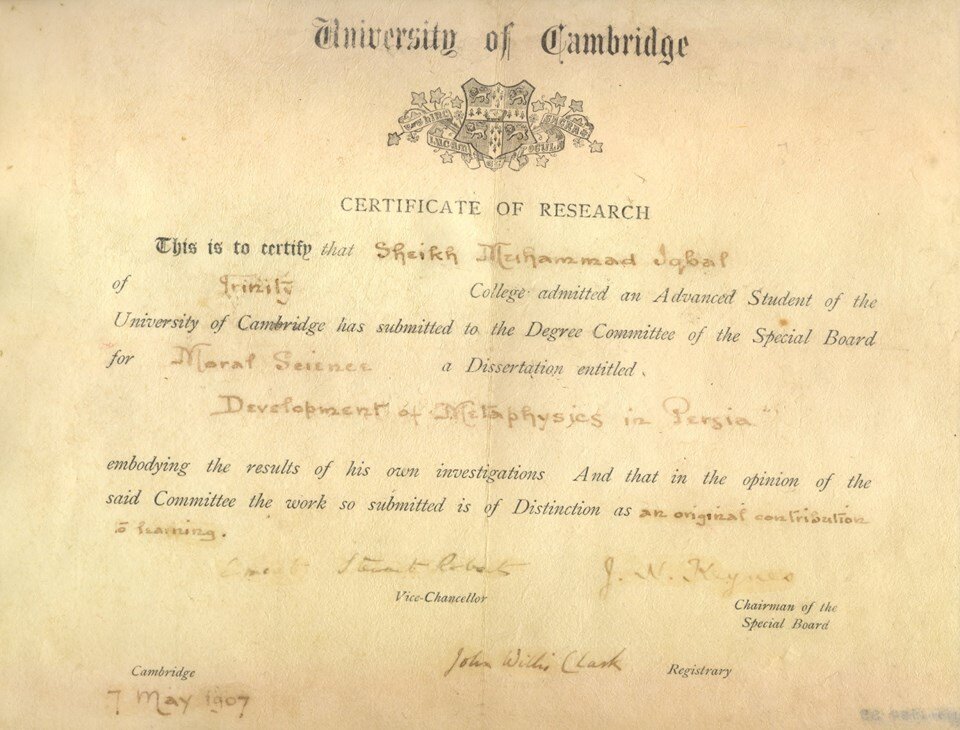
In 1902, the poet-philosopher published a collection of Urdu poetry titled 'Bang-e-Dra'. Nestled within it was a simple poem called 'Bacche Ki Dua', or 'A Child’s Invocation'. The poem's profound simplicity and heartfelt aspirations have made it an enduring piece, recited daily in school assemblies across South Asia for over a century. It's not just a poem; it's a foundational moral compass set to verse.
The poem's power lies in its framing. It’s a direct conversation between a child and God, where a personal desire transforms into a prayer. The opening lines establish this intimate and hopeful tone.
My longing comes to my lips as a prayer,
O God, may my life be like a candle's form.
The Shining Candle
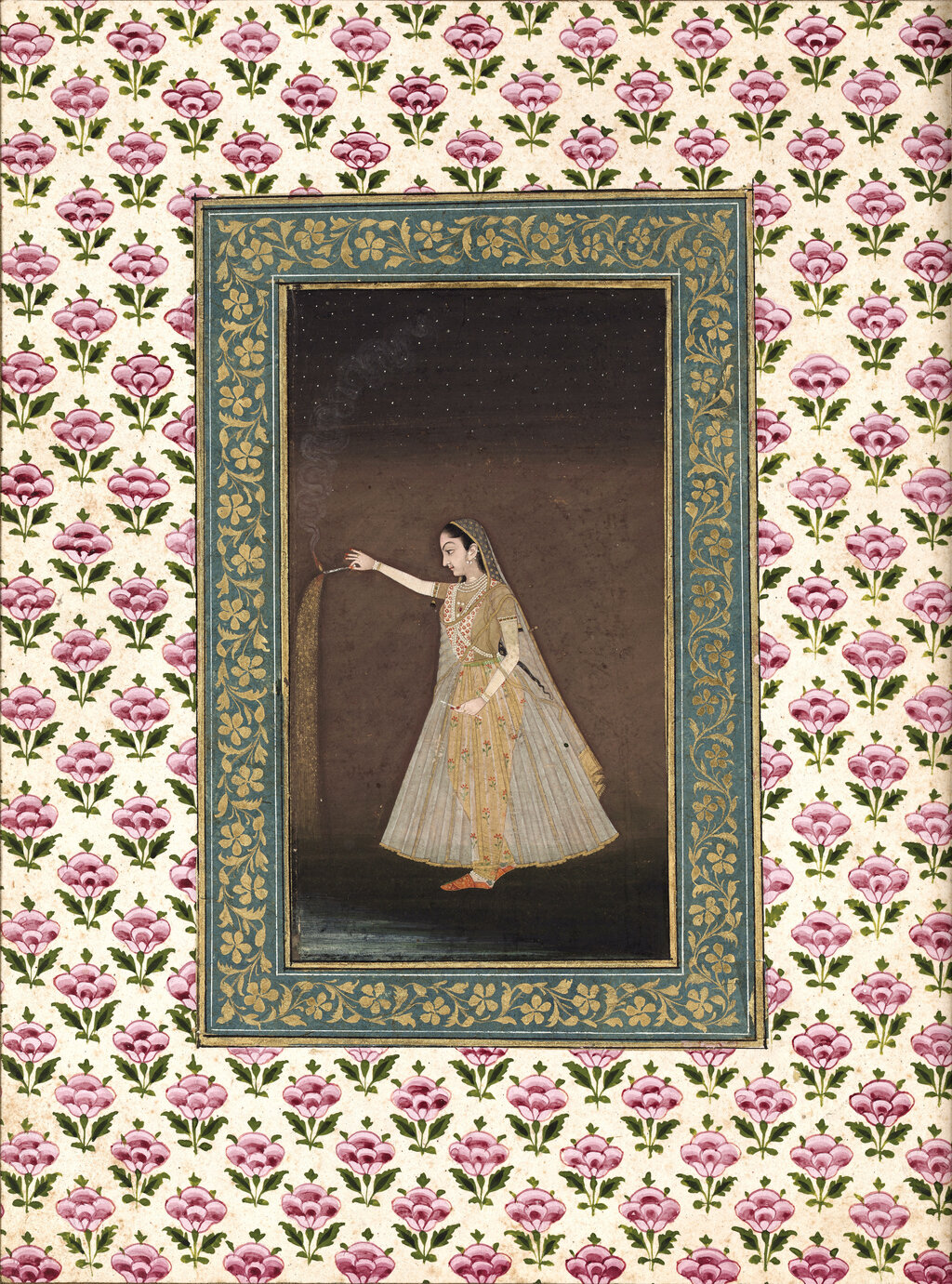
The central metaphor of the poem is introduced immediately: the candle, or 'shama'. This isn't just a source of light. For Iqbal, it represents a life of purpose, knowledge, and unwavering guidance. The child wishes for their existence to emulate a candle, a beacon of light in the darkness. The subsequent lines expand on this idea:
Dūr duniyā kā mire dam se andherā ho jāye (May the world’s darkness disappear through my life)
Har jagah mere chamakne se ujālā ho jāye (May every place be illuminated by my glow)
The prayer is not for personal gain but for the ability to serve. The child wants to become an instrument for dispelling ignorance—the 'world darkness'—and spreading enlightenment, the 'glow'. This establishes the poem's core theme: a meaningful life is one dedicated to illuminating the world for others.
A Universal Prayer
Why has this poem resonated so deeply, especially with children? Its strength lies in its universal appeal. The desire for a purposeful life is a fundamental human aspiration. Iqbal frames this complex idea in a way that is accessible to a child, using the simple, powerful image of a candle.
The poem functions as a universal prayer. It transcends specific religious doctrines and speaks to a shared humanistic value: the wish to leave the world a better, brighter place. By avoiding complex theology and focusing on the pure intention of a child's heart, offers a roadmap for moral development that is both profound and easy to understand.
This opening sets the stage for the rest of the poem, which builds on this foundation of light and service to outline a complete ethical vision.