A Brief History of the Sandwich
Ancient Bread Traditions
The First Loaves
Before sandwiches, there was just bread. But even before bread, there were grains. For thousands of years, hunter-gatherers collected wild grasses. They likely chewed on the raw kernels or perhaps ground them with stones and mixed them with water to make a simple paste.
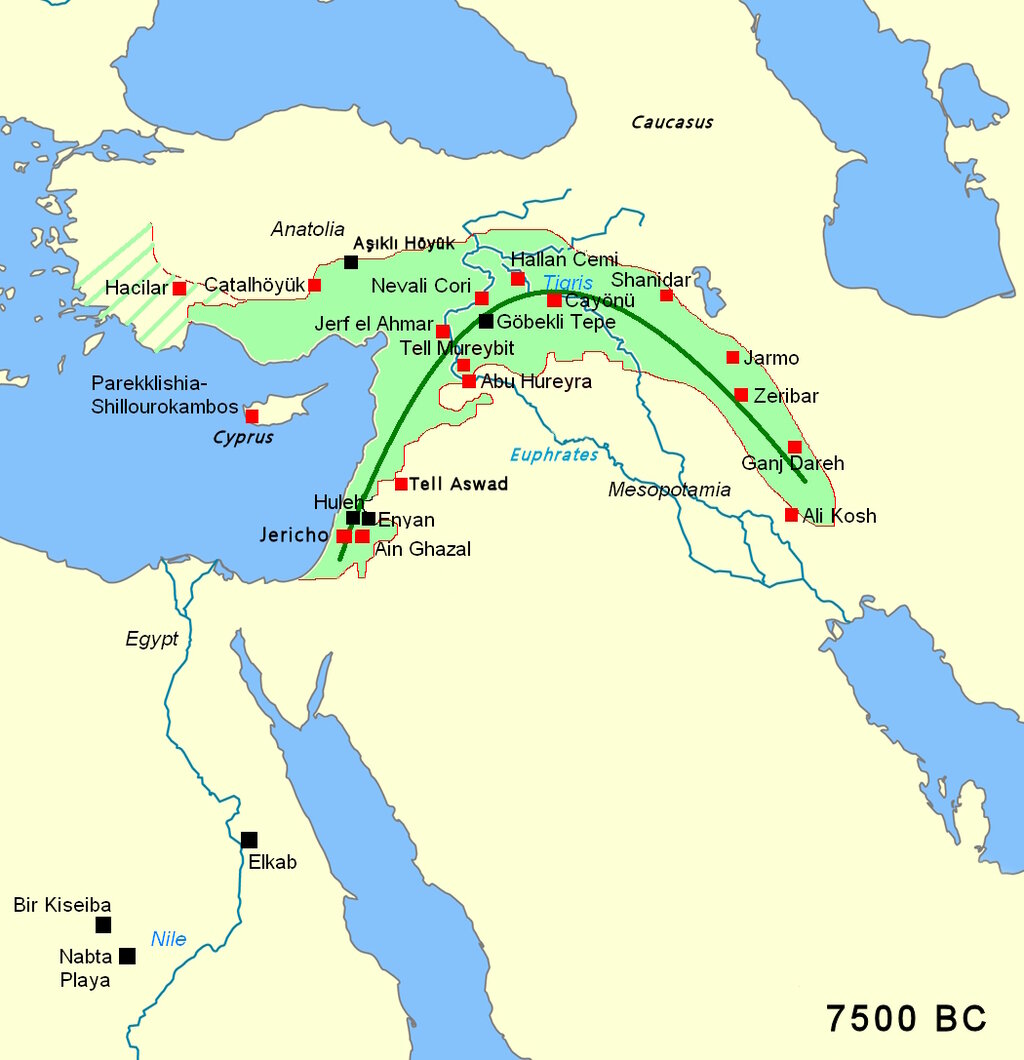
The real breakthrough came with the dawn of agriculture about 10,000 years ago in a region known as the Fertile Crescent. As people began to settle down and cultivate crops like einkorn and emmer wheat, they had a steady supply of grain. This surplus was revolutionary. It allowed for the invention of the first true breads: simple, unleavened flatbreads cooked on hot stones or in embers.
These early breads were dense, coarse, and probably a bit gritty. But they were a reliable, high-energy food source that could be stored and carried. This innovation wasn't just a culinary one; it was a cornerstone for building permanent settlements and, eventually, civilizations.
Egypt's Airy Invention
The ancient Egyptians took bread-making to the next level. Thanks to the fertile floodplains of the Nile River, they cultivated vast fields of wheat. Their most significant contribution was the discovery of leavening.
No one knows exactly how it happened. Perhaps a batch of dough was left out and wild yeast from the air settled into it, causing it to rise. When baked, this leavened dough produced a much lighter, softer, and more flavorful bread than the dense flatbreads common elsewhere. The Egyptians mastered this process, using sourdough-style starters to reliably leaven their bread.
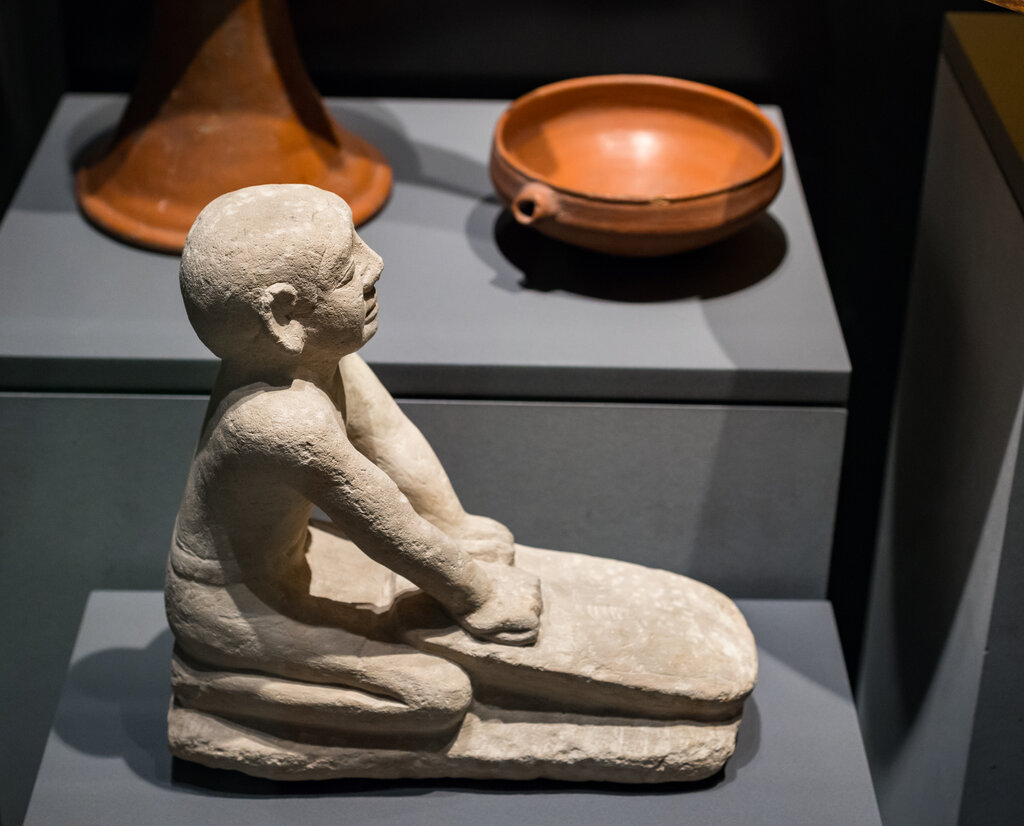
Bread was the foundation of Egyptian society. It was a staple food for everyone, from pharaohs to pyramid-builders. In fact, it was so central to the economy that workers were often paid their wages in loaves of bread and jugs of beer (which was also made from grain).
The Egyptians developed specialized conical ovens made of clay that could bake multiple loaves at once. They experimented with different shapes and even added ingredients like honey, dates, or spices for variety.
In Egypt, bread wasn't just food; it was currency. It fueled the workforce that built one of the ancient world's greatest civilizations.
Mesopotamian Methods
Meanwhile, in Mesopotamia—the land between the Tigris and Euphrates rivers—bread was just as important, but it developed differently. The primary grain here was barley, which doesn't have as much gluten as wheat. This made it more suitable for the flat, unleavened breads that became the regional staple.
Mesopotamian bakers developed their own techniques. A common method was to slap the flattened dough against the hot interior walls of a cylindrical clay oven, known as a tandoor or tannur. The bread would cook quickly and puff up slightly before being peeled off the side.
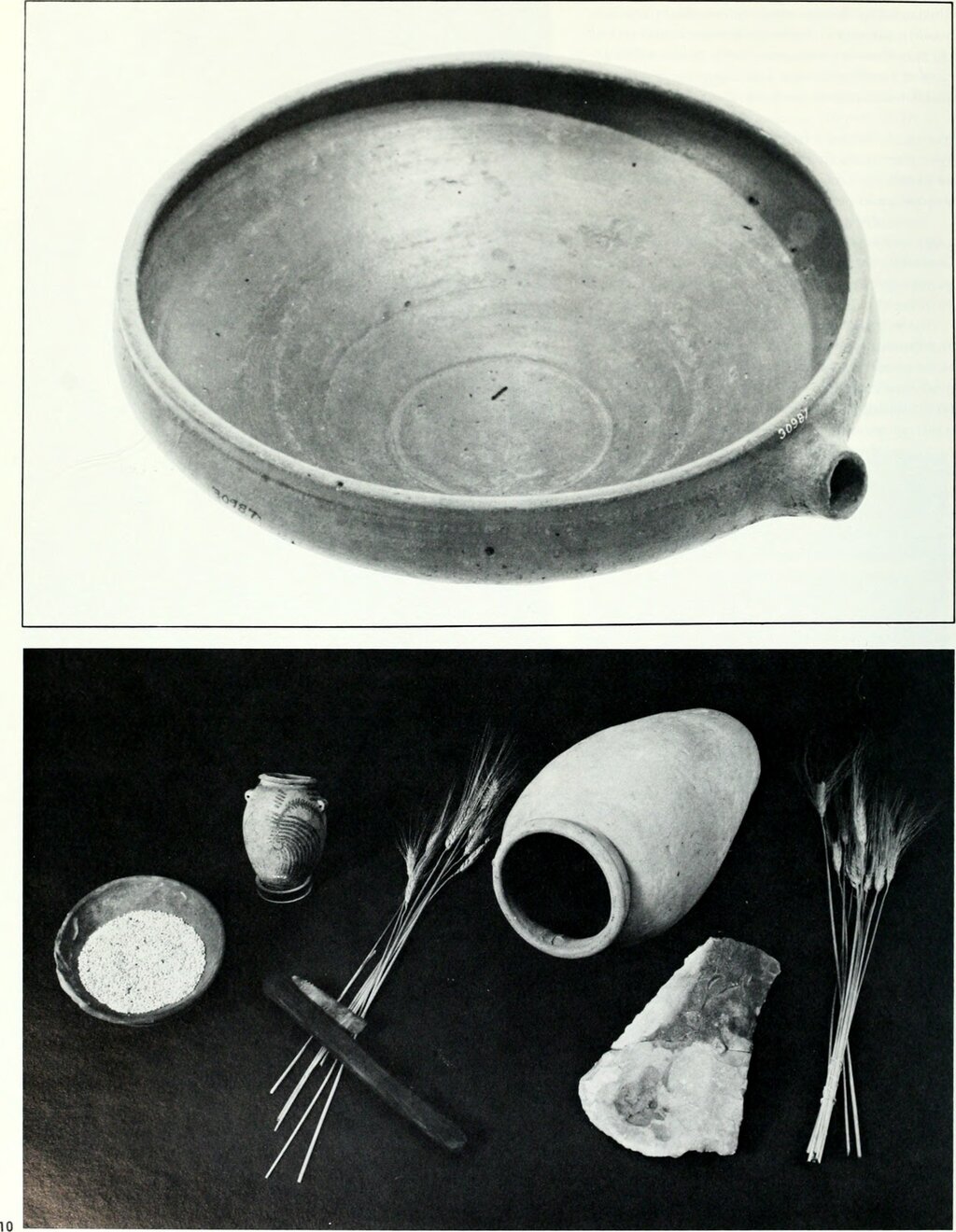
Like in Egypt, bread held deep cultural significance. It was a daily food for all social classes and a common offering to the gods in religious ceremonies. Different types of bread, some enriched with oil, milk, or sesame seeds, were made for specific occasions and rituals.
| Feature | Ancient Egypt | Mesopotamia |
|---|---|---|
| Primary Grain | Emmer Wheat | Barley |
| Leavening | Yes (leavened) | No (unleavened) |
| Common Form | Raised loaves | Flatbreads |
| Baking Method | Conical clay ovens | Cylindrical clay ovens |
These foundational traditions in Egypt and Mesopotamia set the stage for the rest of the world. As empires rose and trade routes expanded, these techniques and grains spread across the Mediterranean, influencing the bread-making practices of civilizations like Greece and Rome, and laying the groundwork for millennia of culinary innovation.