A Beginner's Guide to Reading Classics
Choosing Your Classic
What Makes a Book a Classic?
The word "classic" can sound intimidating. It might bring to mind dusty, leather-bound books with tiny print. But a classic is simply a story that stays relevant. It deals with big ideas like love, jealousy, courage, and justice in ways that people from any generation can understand and appreciate.
Classic
noun
A book of recognized and established value that continues to be relevant and read across generations due to its universal themes and enduring quality.
Think of it this way: a classic isn't popular because it's old. It's old because it has stayed popular. These books have survived because the stories they tell are timeless. They explore the core of what it means to be human, which is why a novel written 200 years ago can still feel surprisingly modern.
By choosing more accessible classics, you can simultaneously enhance your reading comprehension, increase your exposure to culturally significant works, and find genuine enjoyment in the process.
Match Your Tastes
The best way to start reading classics is to pick something you'll actually enjoy. You don't have to force yourself to read a dense historical novel if you prefer fast-paced action. A good trick is to think about the movies, TV shows, or even video games you like today. The stories you already love often have roots in classic literature.
Do you love a good detective show or a mystery podcast? You'd probably enjoy the original master of deduction, Sherlock Holmes. Are you a fan of pirate movies? Try the book that basically invented the genre. Matching your current interests to a literary genre is the secret to finding a classic you won't be able to put down.
| If you like... | Try this classic genre... |
|---|---|
| Sci-Fi movies like Blade Runner or Dune | Dystopian or Science Fiction |
| True crime documentaries | Detective & Mystery |
| Epic fantasies like Game of Thrones | Adventure or Epic Poetry |
| Romantic comedies | Comedy of Manners or Romance |
| Survival shows like Alone | Adventure or Survival Stories |
Great Starting Points
Jumping into a 600-page novel can be tough for a first-timer. Some classics are more approachable than others due to their clear language and exciting plots. These are fantastic entry points that give you a taste of what classic literature has to offer without being overwhelming.
A good rule of thumb: If a book has been adapted into a movie multiple times, it probably has a great story.
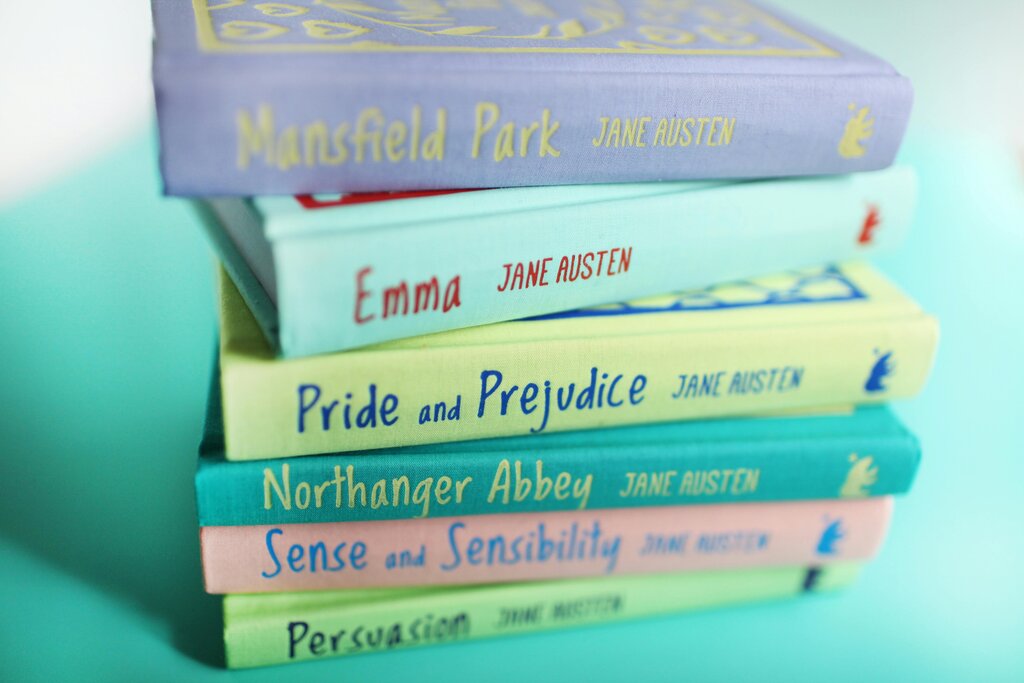
For a thrilling adventure, you can't go wrong with Robert Louis Stevenson's Treasure Island. It’s the blueprint for every pirate story you’ve ever seen, complete with a treasure map, a one-legged sailor, and a mutiny on the high seas. If you prefer wit and romance, Jane Austen's Pride and Prejudice is a classic for a reason. Its sharp dialogue and relatable characters feel fresh even today. For a bit of spooky mystery, try The Hound of the Baskervilles, one of the most famous Sherlock Holmes adventures.
Another option is to start with short stories. Authors like Edgar Allan Poe or O. Henry mastered the art of telling a complete, powerful story in just a few pages. This can be a great way to build your confidence and explore different styles. A collection of short stories lets you sample many ideas quickly. You might read a horror story, a detective story, and a comedy all in one sitting.
Now, let's see what you've learned.
What is the main reason a story is considered a 'classic'?
A book is considered a classic because it's old, not because it has stayed popular.