480V 3-Phase Circuit Applications
Industrial Motor Applications
The Industrial Standard
Walk into any factory, processing plant, or large commercial building, and you'll find that the heavy lifting is done by equipment powered by 480-volt, three-phase electricity. This isn't an accident. For large motors that run pumps, conveyors, and compressors, this power configuration is the undisputed champion. The reason boils down to a fundamental relationship between voltage, current, and power.
For a given amount of power (P), a higher voltage (V) allows for a lower current (I). Think of it like a water hose: to deliver a certain volume of water (power), you can either use a wide hose with low pressure (low voltage, high current) or a narrow hose with high pressure (high voltage, low current). In electrical systems, lower current is almost always better.
Three-phase power is the most common method of alternating-current (AC) electric power generation, transmission, and distribution.
Smaller Wires, Bigger Savings
The primary benefit of lower current is that it allows for the use of smaller-gauge wires to deliver the same amount of power. Copper is expensive, and wiring a massive industrial facility can require miles of it. By stepping the voltage up to 480V, engineers can significantly reduce the diameter of the conductors needed. This not only slashes material costs but also makes installation easier and cheaper.
Less current also means less energy is wasted as heat. This waste, known as or resistive heating, occurs in any conductor carrying a current. Since the heat generated is proportional to the square of the current, even a small reduction in amperage leads to a significant decrease in wasted energy and heat buildup.
Powering the Heavy Lifters
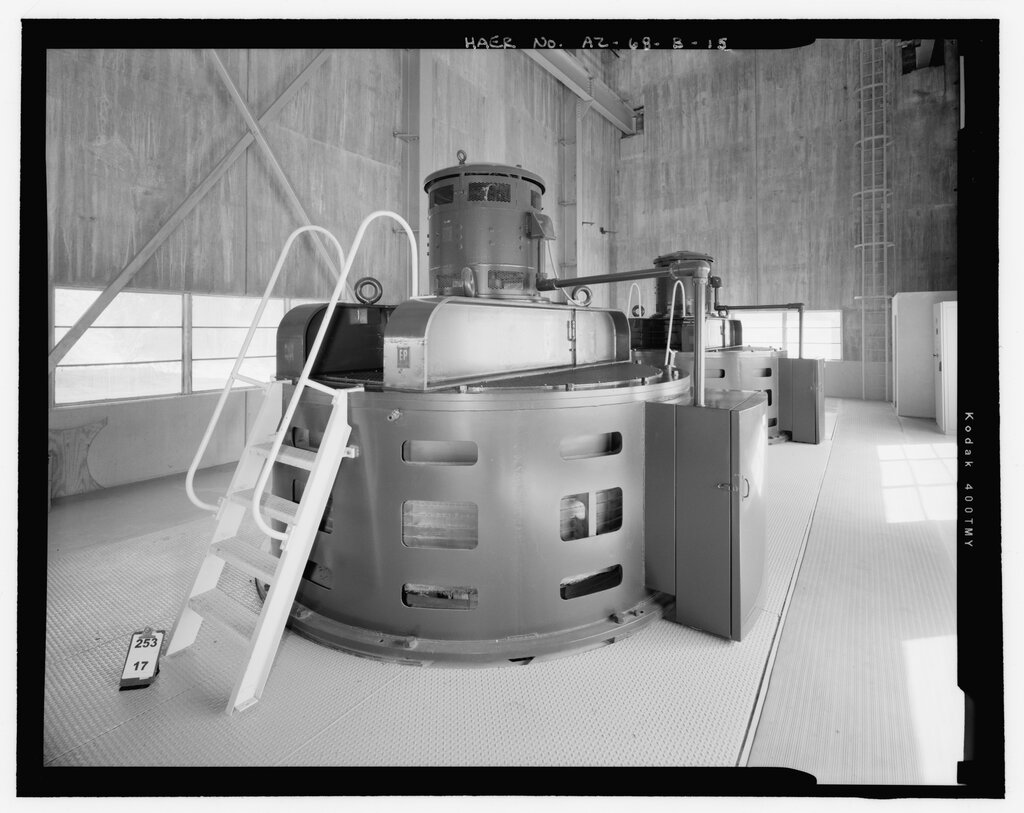
Industrial machines like large pumps and air compressors present a major challenge: starting them requires a massive amount of initial torque to overcome inertia. Three-phase power is uniquely suited for this task. While single-phase power delivers power in pulses, a three-phase system provides a smooth, constant stream of power.
This continuous power delivery translates into smoother rotation and more consistent torque. A three-phase motor doesn't have the momentary 'off' periods that a single-phase motor does. For starting a heavy conveyor belt loaded with materials or a multi-stage compressor, this smooth power is essential for efficient and reliable operation. This innovation was a key part of the vision of inventors like for a robust, industrial-scale power grid.
Keeping Cool Under Pressure
Finally, the thermal benefits of running at 480V are significant. As we saw, lower current dramatically reduces the I²R heat generated within the motor's windings. Excessive heat is the enemy of any electrical component, as it degrades insulation and reduces the motor's lifespan and efficiency.
By operating at a lower current, 480V motors run cooler. This means they can handle heavier loads for longer periods without overheating. It also simplifies their design, often eliminating the need for complex and costly liquid cooling systems. This inherent thermal efficiency contributes to a lower total cost of ownership and greater reliability in demanding industrial environments.
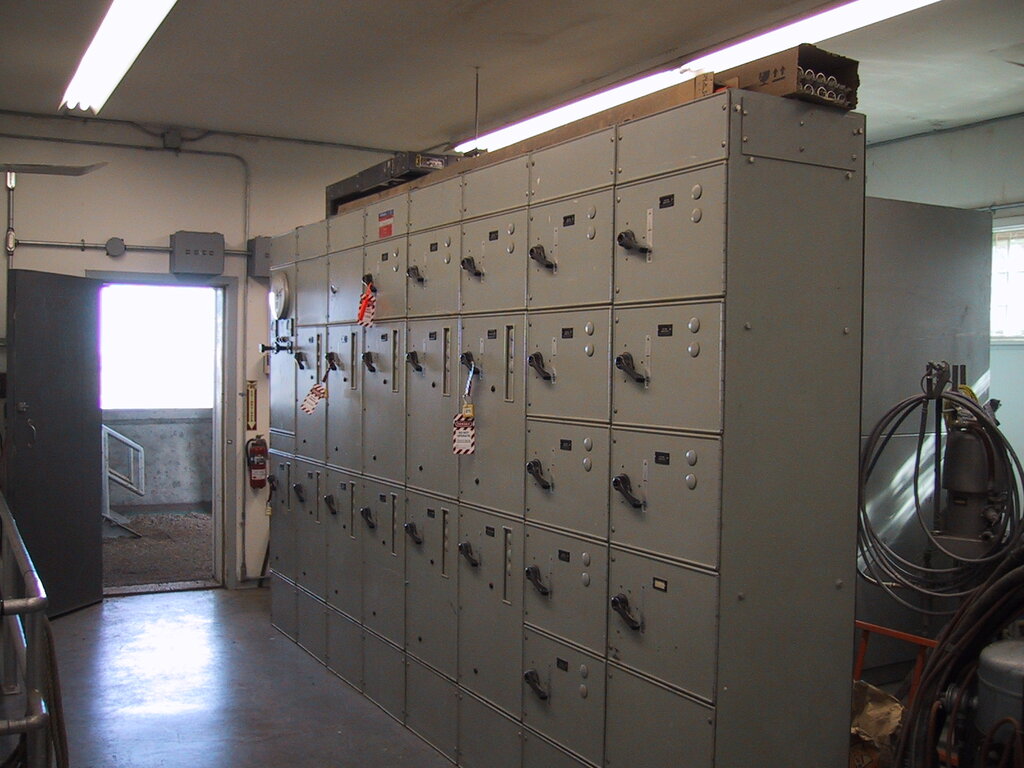
In essence, the choice of 480V three-phase power is a strategic engineering decision. It optimizes the trade-offs between power, cost, and efficiency, creating a system that is robust, cost-effective, and perfectly matched to the demands of heavy industry.