45S5 Bioglass for Cartilage Repair
Introduction to 45S5 Bioglass
A Glass That Heals
Imagine a material that doesn't just fill a space in the body, but actively helps it heal. That's the idea behind bioactive glasses, a special class of materials designed to interact with living tissue. Unlike the glass in your windows, which is designed to be inert, bioactive glasses are made to provoke a positive response from the body. The most well-known of these is called 45S5 Bioglass.
Bioactivity is the key property. It means the material can form a direct, strong bond with living bone and even some soft tissues.
When a typical implant, like one made of titanium or inert ceramic, is placed in the body, it's often treated as a foreign object. The body's natural response is to wall it off by forming a layer of fibrous scar tissue. This can lead to loosening over time. Bioglass, however, tricks the body into thinking it's one of its own, creating a seamless, living connection.
The Bioglass Recipe
The unique properties of 45S5 Bioglass come from its specific chemical recipe. It's not just melted sand; it's a carefully balanced mixture of four key ingredients.
| Component | Formula | Weight % |
|---|---|---|
| Silicon Dioxide | SiO₂ | 45% |
| Calcium Oxide | CaO | 24.5% |
| Sodium Oxide | Na₂O | 24.5% |
| Phosphorus Pentoxide | P₂O₅ | 6% |
Each component plays a critical role:
- Silicon Dioxide (SiO₂): This is the main glass-former, creating the basic amorphous, or non-crystalline, structure.
- Sodium Oxide (Na₂O): This acts as a modifier, intentionally making the glass less stable and more reactive when it contacts body fluids.
- Calcium Oxide (CaO) and Phosphorus Pentoxide (P₂O₅): These are the building blocks of bone itself. Their presence in the glass provides the raw materials the body needs to build new tissue.
How It Bonds to Bone
The magic of Bioglass happens at its surface. When a Bioglass implant is placed in the body and comes into contact with physiological fluids like blood plasma, a rapid chemical chain reaction begins. This process results in the formation of a new layer on the glass that is nearly identical to the mineral found in our bones.
This new surface is called a hydroxycarbonate apatite (HCA) layer. The body's bone-building cells, called osteoblasts, recognize this HCA layer as a natural foundation. They attach to it, multiply, and begin to generate new bone matrix, integrating the implant completely into the surrounding tissue.
Medical Applications
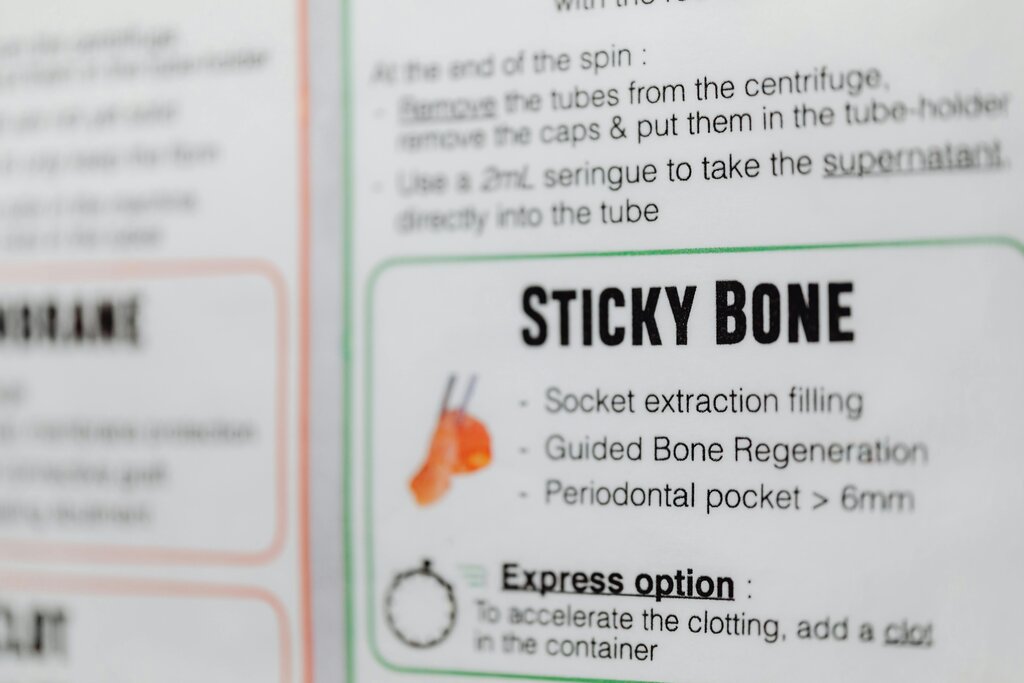
Because of its unique ability to bond with bone, 45S5 Bioglass has found use in a variety of medical and dental applications. It's often used as a powder or paste to fill bone defects, such as those left after a tooth extraction or in periodontal surgery, where it encourages the jawbone to regrow.
It has also been used in orthopedic surgery to coat prosthetic implants, helping them integrate better with existing bone and reducing the risk of loosening. In some cases, it's used to create porous scaffolds that act as a temporary framework for new bone to grow into, eventually being replaced by healthy tissue. This foundational ability to stimulate natural healing is what makes Bioglass such a revolutionary material in regenerative medicine.
What is the primary characteristic that distinguishes bioactive glass from the glass in a window?
When a traditional inert implant like titanium is placed in the body, the typical response is for the body to form a layer of fibrous scar tissue around it.