4-Week Business Scaling Blueprint
Brutal Positioning
Find Your Edge
Positioning is about owning a specific piece of real estate in your customer's mind. When they think of a problem you solve, your name should be the first one that comes to mind. It's not about being the absolute best at everything, but about being the best option for a specific need or desire.
This starts with your unique value proposition, or UVP. This is the core reason someone should do business with you instead of your competitors. It's a simple, clear statement that answers the customer's question: "Why should I buy from you?" A strong UVP isn't a slogan; it’s the DNA of your business.
Think of three coffee shops on the same street. One might be the fastest, for busy commuters. Another might be the coziest, for people who want to stay and work. The third could have the highest-quality, ethically sourced beans for connoisseurs. They all sell coffee, but they own different positions. They aren't just competing on "coffee"; they're competing on speed, comfort, and quality.
Your UVP must be something your customers actually care about and that you can consistently deliver on. It has to be authentic. Don't claim to be the budget option if your prices are premium. Don't promise lightning-fast service if you're a small, meticulous team. Your positioning must be rooted in truth.
Know Your People
You can't create a sharp message if you don't know who you're talking to. Trying to appeal to everyone is a recipe for appealing to no one. Brutal positioning means being ruthless about who your customer is—and just as importantly, who they are not.
Start by defining your ideal customer. Go beyond basic demographics like age and location. What are their goals? What problems keep them up at night? What do they value? This profile of your perfect customer is your guide for every decision you make, from product features to marketing copy.
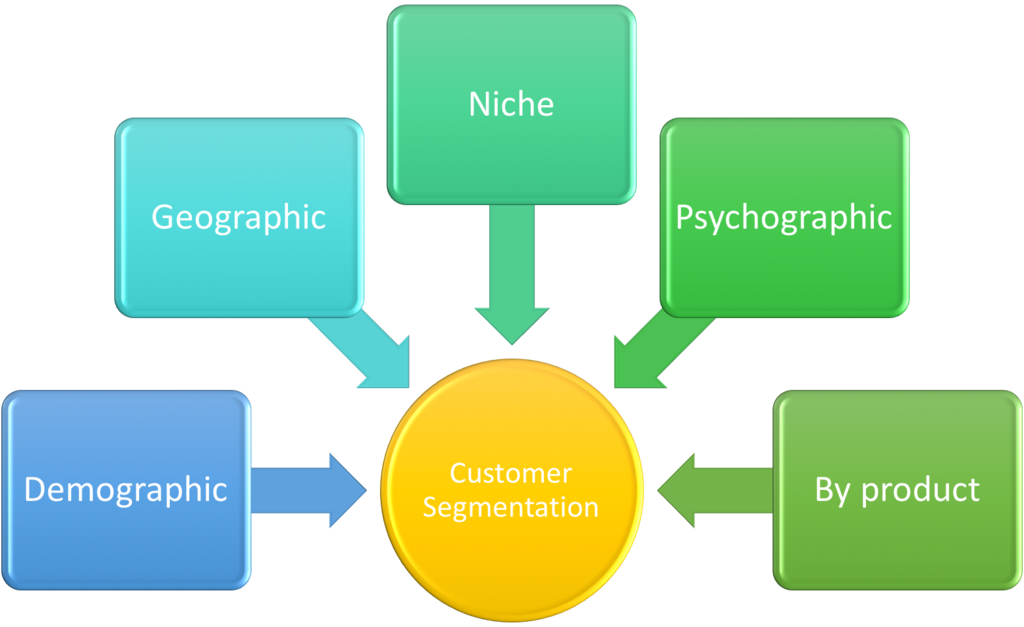
For example, a company selling rugged, high-performance outdoor gear isn't targeting people who enjoy occasional park strolls. Their ideal customer is a serious adventurer who needs equipment that won't fail in extreme conditions. Every part of their brand, from the technical specifications to the imagery of windswept mountains, speaks directly to that person. They happily ignore the casual market to become the obvious choice for the hardcore enthusiast.
Scout the Competition
Understanding your competitors isn't about copying them. It's about finding the gaps in the market—the spaces they aren't serving effectively. This is where you can create a unique position. Your goal is to find a place where you can be different in a way that your ideal customer values.
| Competitor | Their Main Selling Point | Their Weakness | Our Opportunity |
|---|---|---|---|
| Brand A | Lowest price | Poor customer service, slow shipping | Offer expert support and fast delivery for a slightly higher price. |
| Brand B | Highest quality, premium features | Very expensive, intimidating for beginners | Focus on high-quality essentials that are easy to use and more affordable. |
| Brand C | Fast and convenient | Limited selection, impersonal service | Provide a curated, personalized experience with a focus on community. |
Look at what your competitors say, but also at what their customers say about them. Online reviews and social media comments are gold mines for this kind of research. If customers consistently complain that a competitor's product is hard to use, a positioning based on simplicity and user-friendliness could be very powerful.
Craft Your Message
Once you know your unique value, your audience, and the market gaps, it's time to put it all together into a compelling brand message. This is the story you tell your customers across your website, your ads, and your social media. It should be consistent and clear.
Your message isn't just a list of features. It's about the benefit to the customer. It's not "Our software has an AI-powered dashboard." It's "Our software gives you clear insights in seconds, so you can stop guessing and make smarter decisions."
Your messaging should effectively communicate your brand’s unique value proposition while aligning with your ideal customer and positioning your business as a leader in your field.
This message becomes your North Star. Every piece of content you create should reinforce your position. If your position is "the easiest tool for beginners," then your tutorials, blog posts, and ads should all reflect that commitment to simplicity and support. Consistency builds trust and makes your brand memorable.
What is the primary goal of business positioning?
A company's brand message should focus primarily on __________.
This foundation—knowing what makes you different, who you're for, and how to talk to them—is the most critical part of building a brand that stands out. Get this right, and everything else becomes easier.