3d Block Element Electronic Configurations
Atomic Structure
The Atom's Blueprint
At the heart of every atom is a dense nucleus, containing protons and neutrons. Swirling around this nucleus is a cloud of much smaller, negatively charged particles called electrons. But this cloud isn't a random swarm. Electrons occupy specific regions called orbitals, each with a distinct energy level and shape. Think of it like a building with different floors and rooms; electrons have their own designated spots.
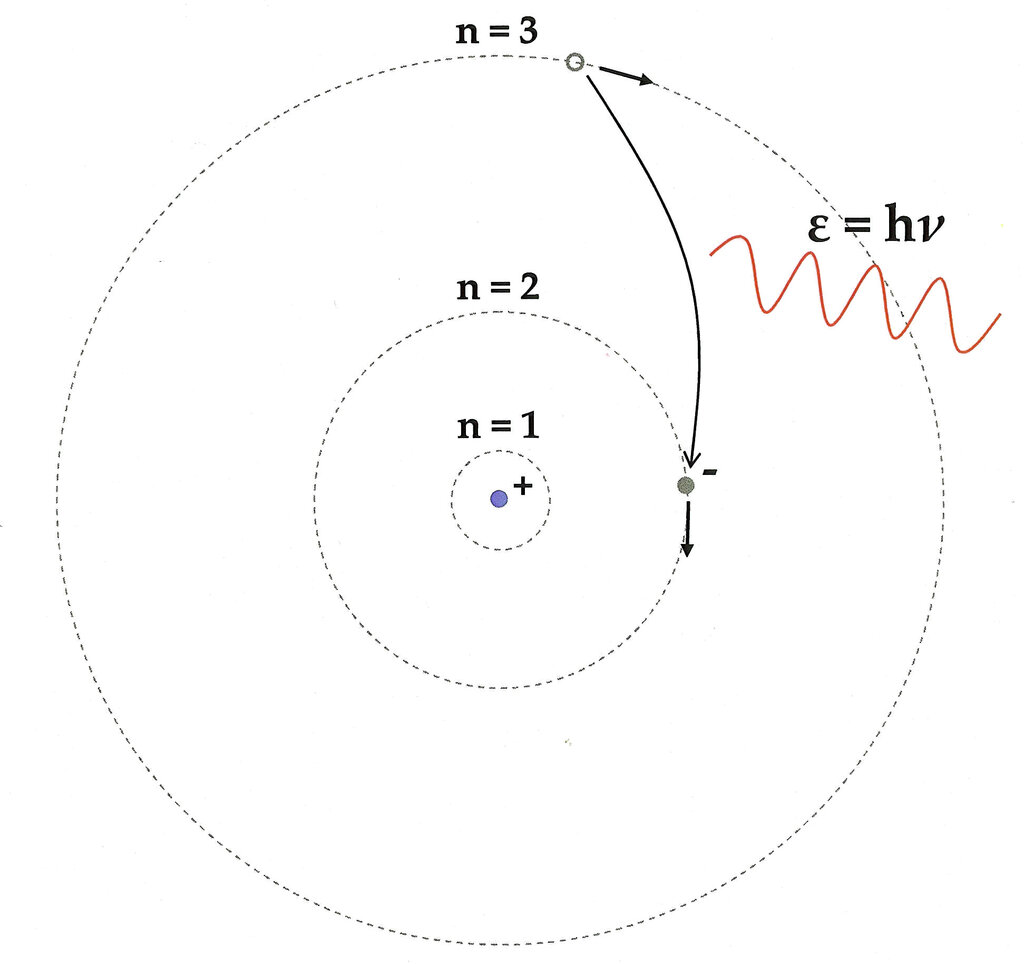
The arrangement of these electrons, known as the electron configuration, defines an element's behavior. It dictates how an atom will interact with others, whether it will form bonds, and what kind of chemical reactions it will undergo. To understand chemistry, we have to start with the electron's address.
Shells and Subshells
Electrons are organized into layers called shells, or principal energy levels. These are numbered starting from 1, closest to the nucleus. An electron in shell 1 has the lowest energy, while an electron in shell 3 has higher energy.
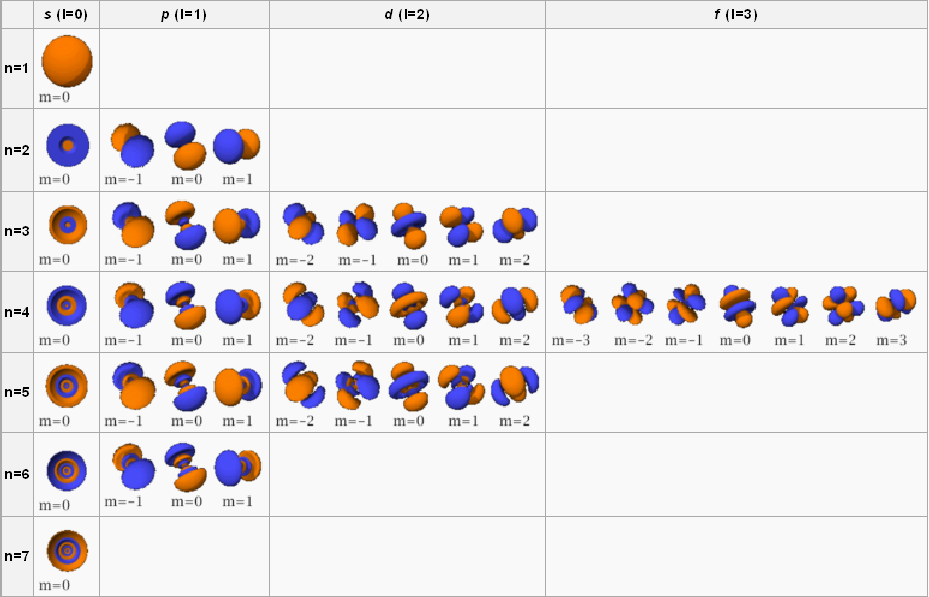
Within each shell, there are one or more subshells. These are designated by the letters s, p, d, and f. Each type of subshell has a unique shape and can hold a specific number of electrons:
- s subshell: Has 1 orbital, holds up to 2 electrons.
- p subshell: Has 3 orbitals, holds up to 6 electrons.
- d subshell: Has 5 orbitals, holds up to 10 electrons.
- f subshell: Has 7 orbitals, holds up to 14 electrons.
The number of subshells available depends on the main shell. Shell 1 only has an s subshell. Shell 2 has s and p subshells. Shell 3 has s, p, and d subshells, and so on. As you move to higher shells, more complex subshells become available.
An Electron's Address
To pinpoint an electron's location and state, scientists use four quantum numbers. Think of them as an electron's unique address: the state, city, street, and house number.
| Quantum Number | Symbol | Describes | Analogy |
|---|---|---|---|
| Principal | The main energy level or shell | State | |
| Angular Momentum | The shape of the subshell (s, p, d, f) | City | |
| Magnetic | The orientation of the orbital in space | Street | |
| Spin | The intrinsic spin of the electron | House Number |
The Principal Quantum Number () tells you the electron's shell. It can be any positive integer (1, 2, 3, ...).
The Angular Momentum Quantum Number () describes the subshell's shape. Its value depends on , ranging from 0 to . A value of corresponds to the s subshell, to the p subshell, to the d subshell, and so on.
The Magnetic Quantum Number () specifies the particular orbital within a subshell. It can take integer values from to . For a p subshell where , can be -1, 0, or +1, representing the three distinct p orbitals.
Finally, the Spin Quantum Number () describes the electron's intrinsic magnetic property, its spin. It can have one of two values: (spin up) or (spin down).
The Rules of Arrangement
So how do electrons fill these shells and subshells? They don't just pile in randomly. They follow three fundamental rules that govern how electron configurations are built.
Aufbau Principle
noun
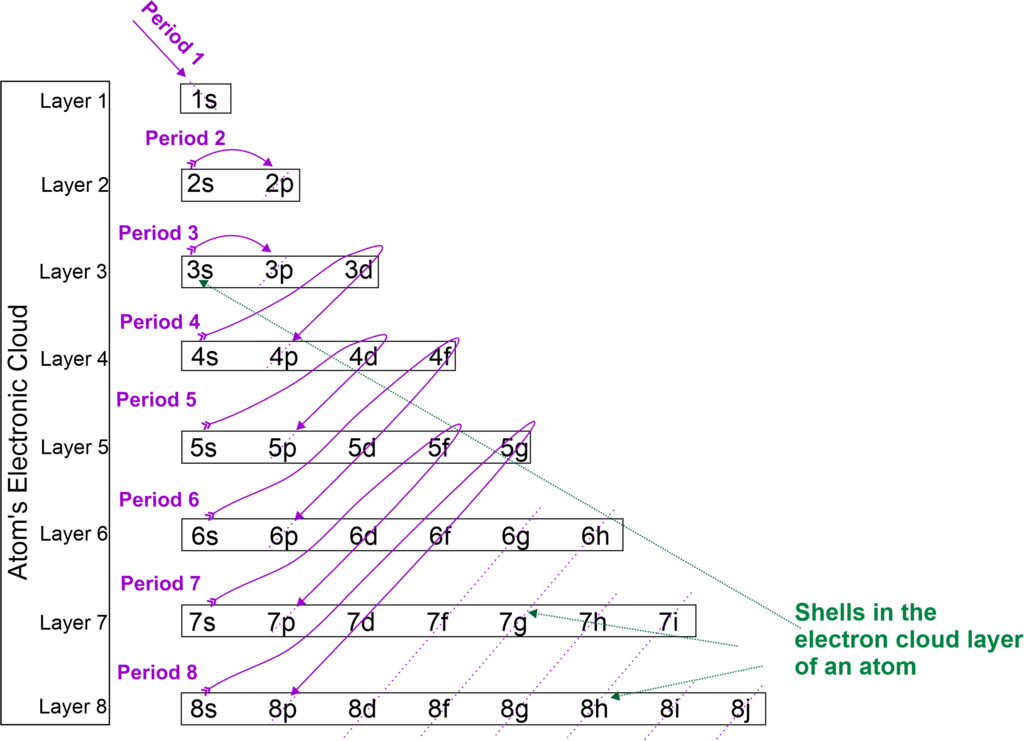
States that electrons fill the lowest available energy orbitals before occupying higher levels. The word 'Aufbau' is German for 'building up'.
Electrons are lazy; they always seek the lowest energy state possible. This means they'll fill the 1s subshell first, then 2s, then 2p, and so on. The exact filling order can get a little tricky because some subshells in higher shells have lower energy than those in lower shells (for example, 4s fills before 3d).
Pauli Exclusion Principle
noun
Asserts that no two electrons in the same atom can have the same set of four quantum numbers. This means an orbital can hold a maximum of two electrons, and they must have opposite spins.
This principle ensures that electrons have their own unique quantum address. If two electrons are in the same orbital (same , , and ), their spin quantum numbers () must be different.
Hund's Rule
noun
Specifies that when filling orbitals within the same subshell, electrons will occupy separate orbitals with parallel spins before any orbital is doubly occupied.
Think of it like people getting on an empty bus. They will each take an empty row before anyone decides to sit next to someone else. Electrons do the same thing in orbitals of equal energy. This arrangement is more stable because it minimizes the repulsion between negatively charged electrons.
These three rules work together to build the electron configuration for every element in the periodic table. They provide a logical framework for understanding the structure of atoms, which is the foundation for all of chemistry.
Ready to check your understanding?
Which quantum number describes the shape of an electron's subshell?
According to the Pauli Exclusion Principle, if two electrons occupy the same orbital, they must have...
Understanding these foundational principles of atomic structure is the first step toward exploring the rich and complex behavior of the elements.