30-Day YouTube Growth System
Understanding YouTube's Algorithm
The Gatekeeper of Views
YouTube isn't a random lottery of videos. When you open the app or search for a topic, a powerful system is working behind the scenes to decide exactly what you see. This system is known as the YouTube algorithm.
Think of it as a personalized matchmaker. Its primary goal is to find the right video for each viewer at the right time. Why? To keep you watching. The more time you spend on YouTube, the more successful the platform is. The algorithm doesn't just influence search results; it curates your homepage and decides what video plays next.
YouTube’s algorithm promotes videos that keep viewers watching - plain and simple.
It constantly learns from the behavior of billions of users. Every video you watch, like, share, or skip teaches the algorithm a little more about what people want. For creators, understanding this system is the key to getting their content in front of a larger audience.
What the Algorithm Watches
The algorithm tracks several key signals to rank videos and decide which ones to recommend. While the exact formula is a secret, the most important factors are well-known. It all starts with a click.
Click-Through Rate
noun
The percentage of people who click on your video after seeing it on their homepage, in their recommendations, or in search results.
A high Click-Through Rate (CTR) tells YouTube that your video's thumbnail and title are effective at grabbing attention. It’s the first hurdle your video must clear. If people aren't clicking, the algorithm assumes the video isn't interesting and will be less likely to show it to others.
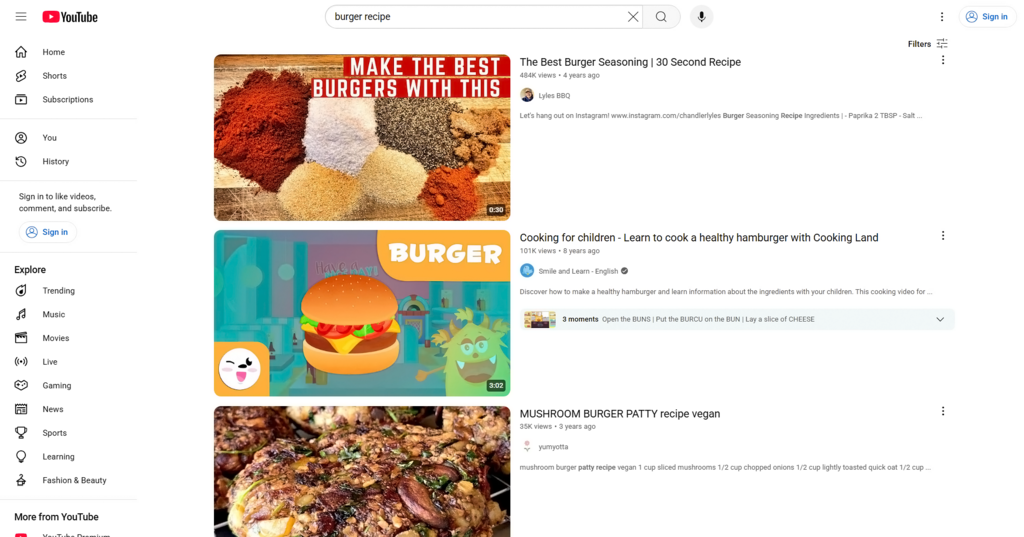
But getting the click is only half the battle. What happens after the click is even more important.
The Power of a Good Watch
YouTube’s algorithm cares deeply about viewer satisfaction. The best way to measure this is by looking at how long people watch your videos. This is measured in two ways: Watch Time and Audience Retention.
Watch Time is the total accumulated time viewers have spent watching your video. A video with thousands of hours of watch time is a strong signal that people find it valuable.
Audience Retention is the percentage of your video that viewers watch on average. If you have a 10-minute video and most people watch for 6 minutes, your average audience retention is 60%. A high retention rate tells the algorithm that your video delivers on the promise made by its title and thumbnail.
A click without a long watch is a weak signal. A click followed by a long watch is a powerful signal that tells YouTube, "Show this to more people!"
This is why the first 15 seconds of a video are so critical. Many viewers decide whether to stick around in that short window. A graph of a video's audience retention typically shows a sharp drop at the beginning, then levels off. The goal is to make that drop as small as possible and keep the line as flat as you can.
Ultimately, the algorithm rewards content that keeps viewers engaged and on the platform. By focusing on creating compelling thumbnails and titles (for a high CTR) and valuable content that holds attention (for high retention), you align your strategy directly with YouTube's goals. This increases the chances that the algorithm will promote your videos to a wider audience.
What is the primary goal of the YouTube algorithm from the platform's perspective?
A video's title and thumbnail directly influence which key metric?
With these principles in mind, you can start to think more strategically about how your videos perform.