19th Century Uneven Transformations
Industrial Revolution
The World Made Anew
For thousands of years, the rhythm of life was tied to the sun and seasons. People worked on farms, and most things were made by hand in small workshops or at home. Around 1750, this started to change, beginning in Great Britain. This period of transformation, known as the Industrial Revolution, marked a fundamental shift from agrarian, handcrafted economies to societies dominated by industry and machine manufacturing.
The Industrial Revolution transformed societies by introducing mechanized production, driven by technological innovations like steam engines and factories, reshaping industries and global economies profoundly.
Engines of Change
Two key innovations powered this revolution: the steam engine and mechanized textile production. Before steam, power came from muscles, wind, or water. Water wheels were effective but required factories to be built next to fast-flowing rivers. The steam engine changed everything.
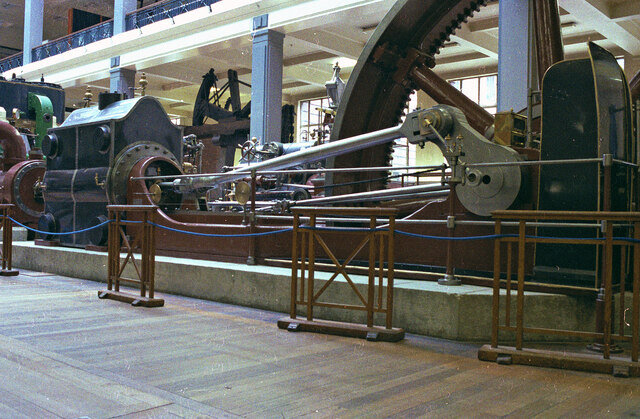
Perfected by James Watt in the 1760s and 70s, the steam engine used burning coal to heat water into steam, creating a powerful and reliable source of energy. Suddenly, a factory could be built anywhere, not just by a river. This invention was the backbone of the new industrial age, powering everything from textile mills to locomotives.
The steam engine untethered industry from the riverbank, allowing factories to spring up wherever coal was cheap and labor was available.
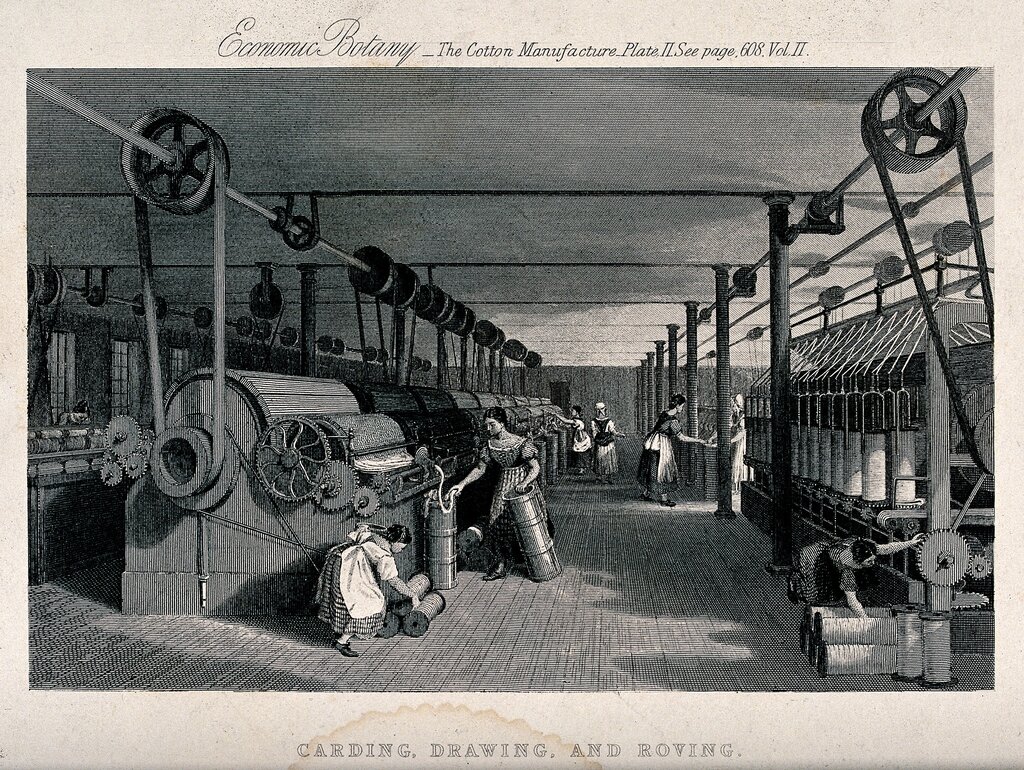
The textile industry was the first to be radically transformed. Before, spinning thread and weaving cloth was a slow, manual process done in cottages. Inventions like the spinning jenny and the power loom mechanized these tasks, allowing for the mass production of textiles on a scale never before imagined. One factory could now produce more cloth in a day than an entire village could in a month.
A New Way of Life
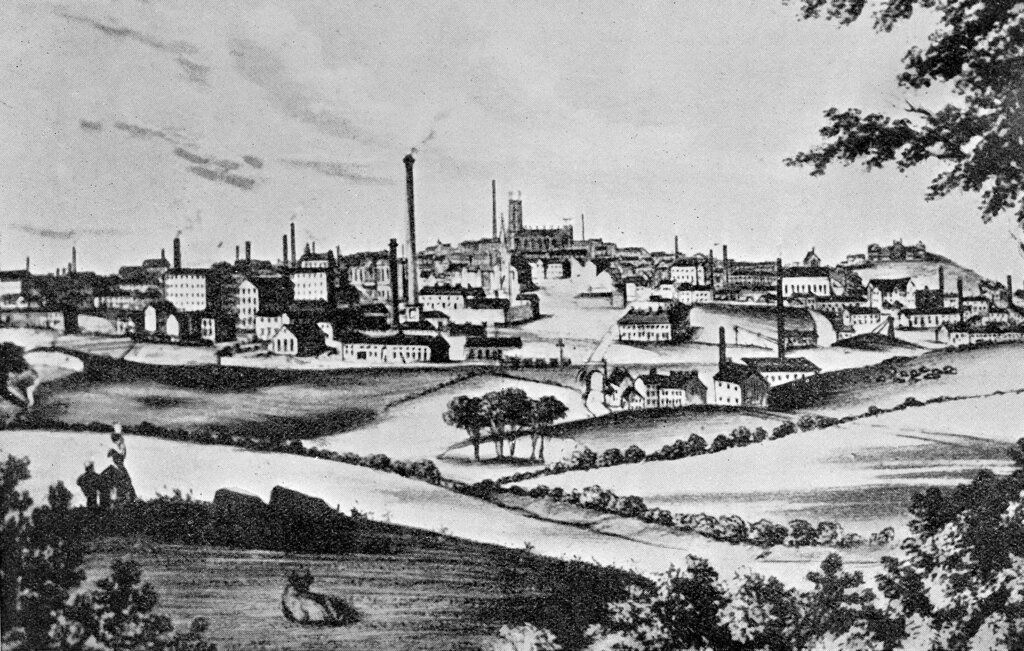
This technological leap had massive social consequences. The rise of factories created a huge demand for workers, pulling people away from the countryside and into rapidly growing cities. This process, known as urbanization, dramatically changed where and how people lived. Cities like Manchester and Liverpool swelled into bustling, often overcrowded, industrial centers.
Work itself was redefined. On a farm, labor followed the natural cycles of day and season. In a factory, life was dictated by the clock. Workers, including women and children, toiled for long hours in often dangerous conditions, performing repetitive tasks for a set wage. This new factory system created a new working class, fundamentally altering social structures that had existed for centuries.
Ready to check your understanding of this transformative era?
What was the most significant advantage of James Watt's steam engine over earlier power sources like water wheels?
The massive migration of people from rural, agricultural areas to rapidly growing cities in search of factory work is known as...
The innovations and social shifts of this period didn't just change Great Britain; they laid the groundwork for the modern world.