13-Week Cash Flow Forecasting
Introduction to Cash Flow
What is Cash Flow?
Think of a business's bank account. Money comes in, and money goes out. Cash flow is simply the movement of this money. It tracks the total amount of cash being transferred into and out of a business over a specific period.
Cash flow is the lifeblood of a business. It's the real money you have on hand to run your day-to-day operations.
This movement is broken into two simple categories:
- Cash Inflows: Money coming into the business.
- Cash Outflows: Money leaving the business.
When inflows are greater than outflows, you have a positive cash flow. When outflows are greater than inflows, you have a negative cash flow. It’s that straightforward.
Cash Inflows and Outflows
Let’s get more specific. Cash inflows are the sources of money for your company. The most obvious source is revenue from customers paying for your products or services. But cash can also come from other places, like securing a bank loan, selling an asset like a vehicle or equipment, or receiving an investment from a shareholder.
Cash outflows are all the payments a business makes. This includes everyday operating expenses like paying employee salaries, buying inventory from suppliers, and covering the rent and utility bills. It also includes bigger-ticket items like purchasing new machinery, repaying loan principal and interest, or paying taxes.
| Common Cash Inflows | Common Cash Outflows |
|---|---|
| Sales from goods/services | Payments to suppliers |
| Receiving loan funds | Employee salaries and wages |
| Investments from owners | Rent and utility payments |
| Selling assets | Loan repayments (principal) |
| Interest from investments | Interest on debt |
| Royalties and fees | Taxes |
Why Cash Flow Matters
A business needs cash to survive, just like a person needs oxygen. Without enough cash on hand, a company can't pay its employees, its suppliers, or its rent. It doesn't matter how great the product is or how many customers it has. If the cash runs out, the business fails.
Positive cash flow is essential for meeting daily expenses, paying employees, and investing in opportunities.
Managing cash flow allows a business to see potential shortfalls before they become a crisis. It helps leaders make informed decisions, like whether they can afford to hire a new employee, invest in new equipment, or need to secure a line of credit to cover a slow sales period. Consistently positive cash flow is a sign of a healthy, stable business that can weather storms and seize opportunities for growth.
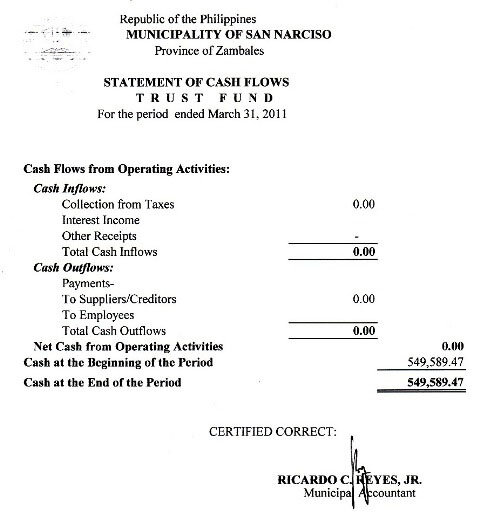
Profit Isn't Cash
This is one of the most important concepts in finance, and a common point of confusion. Profit and cash are not the same thing.
Profit, or net income, is what's left over after you subtract all your business expenses from your revenues. It’s calculated on an income statement. But here's the catch: an income statement can include non-cash items.
Imagine you own a consulting firm. You complete a project for a client and send them an invoice for $50,000. On your income statement, you can record that $50,000 as revenue, making your business look profitable. But you don't actually have the money yet. The client might have 30 or 60 days to pay.
During that time, you still have bills to pay: rent, salaries, software subscriptions. These are cash outflows. If you don't have enough cash in the bank to cover them, you'll be in trouble, even though your business is technically profitable on paper.
A business can be profitable but still go bankrupt if it runs out of cash. Profit is an opinion, but cash is a fact.
Now let's check your understanding of these core concepts.
Which of the following best defines cash flow?
A bakery pays its supplier for a large shipment of flour. This transaction is an example of a:
Understanding the flow of cash is the first step toward building a financially healthy and resilient business.