10 Days in Laos Adventure
Introduction to Laos
Land of Mountains and Rivers
Laos is the only landlocked country in Southeast Asia, a feature that has profoundly shaped its history and culture. Squeezed between Thailand, Vietnam, Cambodia, China, and Myanmar, its landscape is dominated by rugged mountains and dense forests. Roughly 70% of the country is mountainous, creating dramatic scenery and isolating many communities.
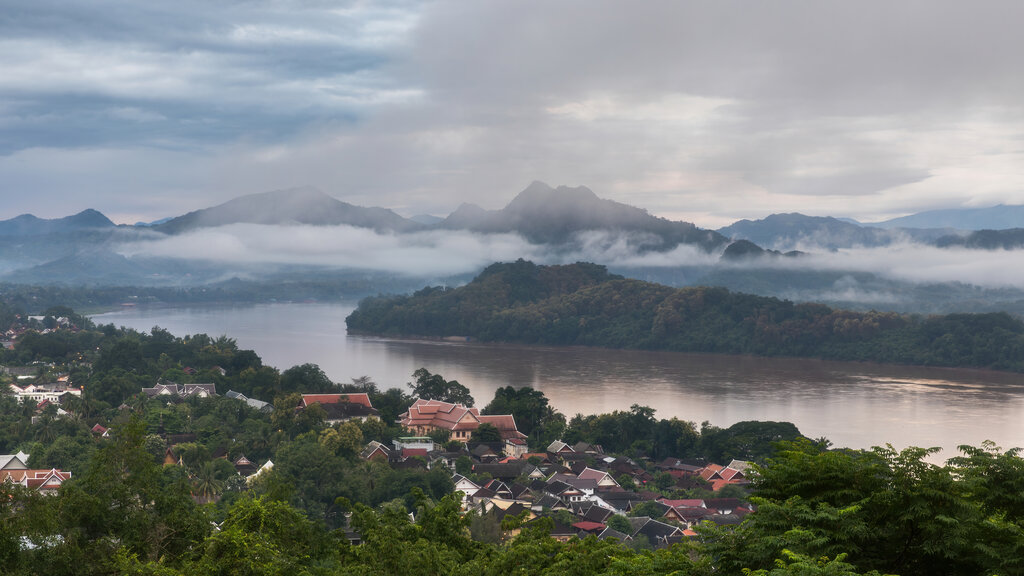
The great Mekong River is the country's artery. It flows down from the Tibetan plateau, forming a long border with Thailand and Myanmar before cutting through the heart of Laos. For centuries, it has been the primary highway for trade, transportation, and communication, and its floodplains support the majority of the country's rice cultivation.
The climate is tropical, governed by the monsoon. The dry season runs from October to April, followed by a wet season from May to September when the landscape becomes incredibly lush and green.
A Storied Past
The history of Laos is rooted in the powerful kingdom of Lan Xang, founded in the 14th century. Its name translates to “The Land of a Million Elephants,” a testament to its former strength and royal prestige. For over 300 years, Lan Xang was one of the largest kingdoms in the region.
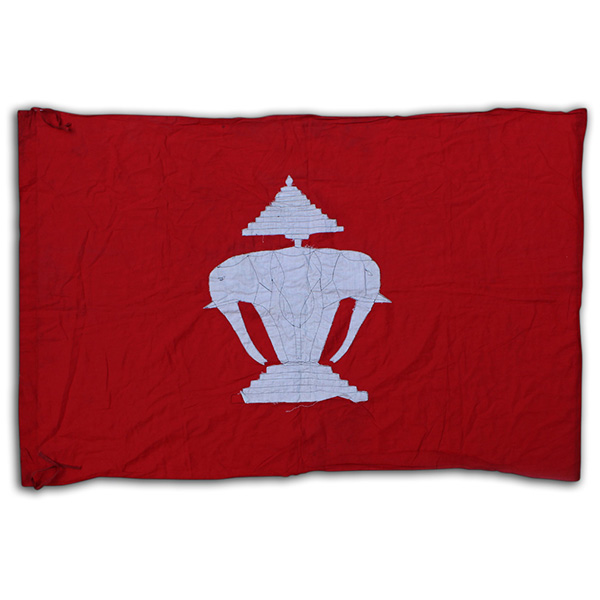
By the late 19th century, internal divisions and pressure from its neighbors weakened the kingdom, and Laos became part of French Indochina. The French colonial period lasted until 1953, leaving behind a legacy of architecture, particularly in cities like Luang Prabang and Vientiane.
Following independence, Laos was drawn into the turmoil of the Cold War. It became the site of a “Secret War” waged by the United States as an extension of the Vietnam War, making it, per capita, the most heavily bombed country in history. In 1975, the communist Pathet Lao movement took control, establishing the Lao People's Democratic Republic, which remains the system of government today.
A Mosaic of Peoples
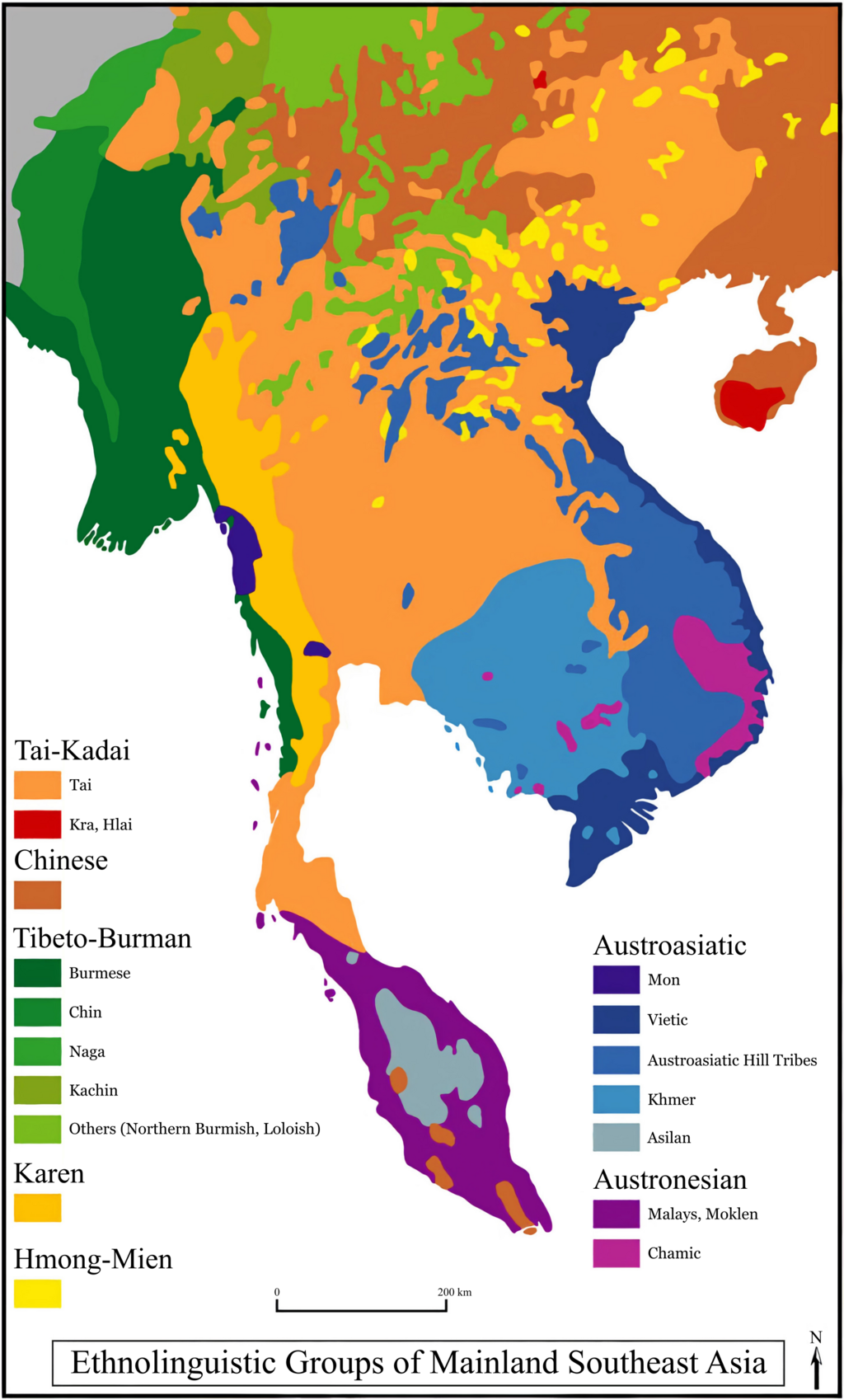
Laos is one of the most ethnically diverse countries in the region, with its population officially divided into 49 distinct groups. Unofficially, there are many more. These groups are often categorized by the altitude at which they traditionally live.
| Category | Description | Primary Livelihood |
|---|---|---|
| Lao Loum (Lowland Lao) | The largest group, living along the Mekong River valley. | Wet-rice cultivation |
| Lao Theung (Midland Lao) | Various groups living on mid-altitude slopes. | Slash-and-burn agriculture |
| Lao Soung (Highland Lao) | Groups like the Hmong and Yao, living in the highest mountains. | Subsistence farming, livestock |
This diversity means a rich tapestry of languages, traditions, and beliefs. While Lao is the official language, many people speak their own local dialects. Theravada Buddhism is the dominant religion among the Lao Loum, but animist beliefs and ancestor worship remain deeply ingrained in the cultures of many ethnic groups, often blending with Buddhist practices.
Cities and Regions
While much of Laos is rural, its cities offer windows into the country's soul. Vientiane, the capital, feels more like a relaxed town than a bustling metropolis, with its blend of Lao and French colonial architecture along the Mekong River.
To the north lies Luang Prabang, a UNESCO World Heritage site. Nestled at the confluence of the Mekong and Nam Khan rivers, it’s famous for its beautifully preserved temples and the daily morning ritual of monks collecting alms.
The northern regions are characterized by mountains, home to diverse ethnic groups and stunning landscapes like those around Vang Vieng and Phongsali.
The southern part of the country is flatter and is where the Mekong River widens dramatically at an area known as Si Phan Don, or the 4,000 Islands. This region has a distinctly tranquil, laid-back atmosphere, with life revolving around the river's rhythms.
Ready to test your knowledge?
What is a defining geographical feature of Laos?
The powerful kingdom founded in the 14th century, whose name means 'The Land of a Million Elephants,' was called:
This overview provides a foundation for understanding the key elements that define Laos: its geography, its complex history, and its diverse population. Each region offers a unique glimpse into this captivating country.