Weg 500 Frequency Converter Basics
Introduction to Variable Frequency Drives
What is a Variable Frequency Drive?
Think about the accelerator in your car. You don't just have two options, stop and full speed. You press the pedal to smoothly adjust your speed based on how fast you need to go. An electric motor, by itself, is more like a light switch: it's either off or on, running at a fixed, full speed.
A Variable Frequency Drive, or VFD, is like an accelerator for an electric motor. It's a type of motor controller that drives an electric motor by varying the frequency and voltage of its power supply. In short, it lets you control exactly how fast the motor spins.
The main purpose of a VFD is to match the motor's speed to the actual demand of the application, rather than having it run at full speed all the time.
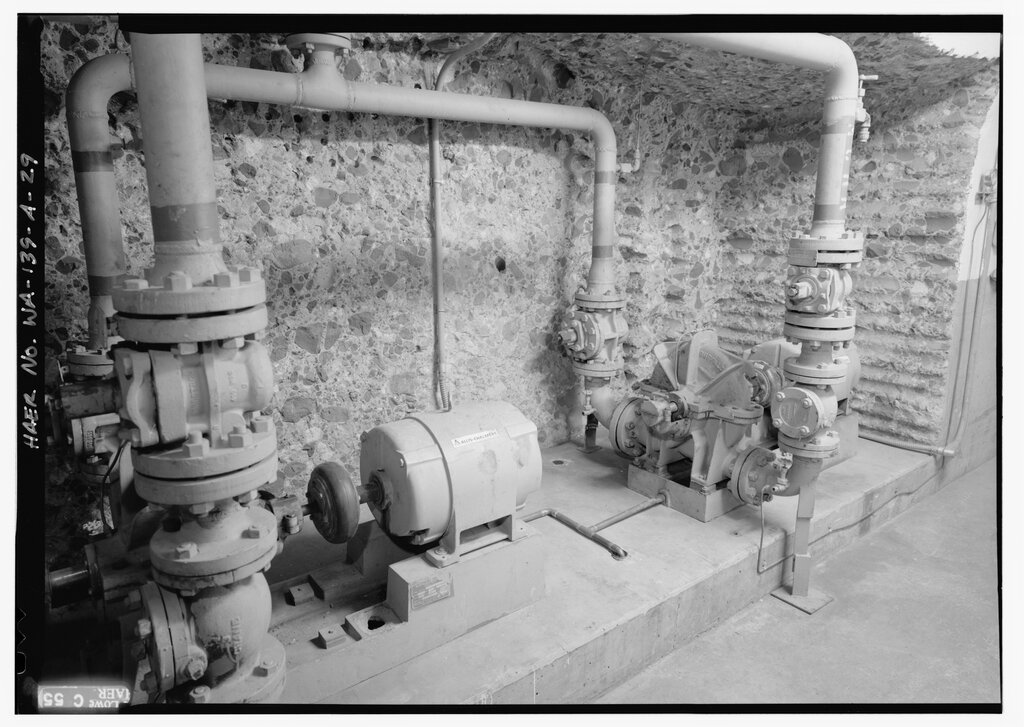
How They Work
The secret to a VFD's control lies in the relationship between frequency and motor speed. For the most common type of industrial motor, the AC induction motor, its speed is directly proportional to the frequency of the AC power it receives. If you can change the frequency, you can change the speed. A VFD does this in three main stages.
1. The Rectifier: The VFD takes the standard AC power from the wall—which alternates back and forth—and converts it into DC power, which flows in one direction. Think of it as turning a two-way street into a one-way street.
2. The DC Bus: The DC power is then smoothed out and stored in capacitors inside the VFD. This section acts like a reservoir of electrical energy, ensuring the next stage has a stable supply to draw from.
3. The Inverter: This is where the magic happens. The inverter takes the smooth DC power from the bus and creates a brand new AC signal. By rapidly switching its electronic components on and off, it can produce an AC output at any required frequency. This variable-frequency output is then sent to the motor, controlling its speed.
By also adjusting the voltage in proportion to the frequency (), the VFD can ensure the motor produces consistent torque across a wide range of speeds.
The Payoff
Controlling a motor's speed isn't just a neat trick; it has major benefits in industrial settings.
Torque
noun
The rotational force produced by a motor's shaft.
Energy Savings: This is the biggest advantage. Many applications, like fans or pumps, don't need to run at 100% capacity all the time. Without a VFD, the only way to reduce flow is by using dampers or valves, which is like driving with your foot on the accelerator and the brake at the same time. It's incredibly wasteful. A VFD simply slows the motor down, drastically cutting electricity consumption.
Improved Process Control: Many processes require precise speeds for optimal results. A VFD provides this fine-tuning, leading to better product quality and less material waste.
Reduced Mechanical Stress: Starting a motor at full power is a violent jolt to the entire system. A VFD can be programmed for a "soft start," gradually ramping up the motor's speed. This gentle acceleration reduces wear and tear on belts, gears, and couplings, extending the life of the equipment and reducing maintenance costs.
Ready to check your understanding?
What is the primary function of a Variable Frequency Drive (VFD)?
For a standard AC induction motor, its speed is directly proportional to what property of the power it receives?
By providing precise, efficient control over motor speed, VFDs are a cornerstone of modern industrial automation.