Website Purpose Explained
Website Basics
What Is a Website?
At its heart, a website is a collection of related pages and information shared online under a single name, like wikipedia.org or google.com. Think of it like a digital book. The website is the whole book, and each page inside it is a web page. You can access it from anywhere in the world using a web browser.
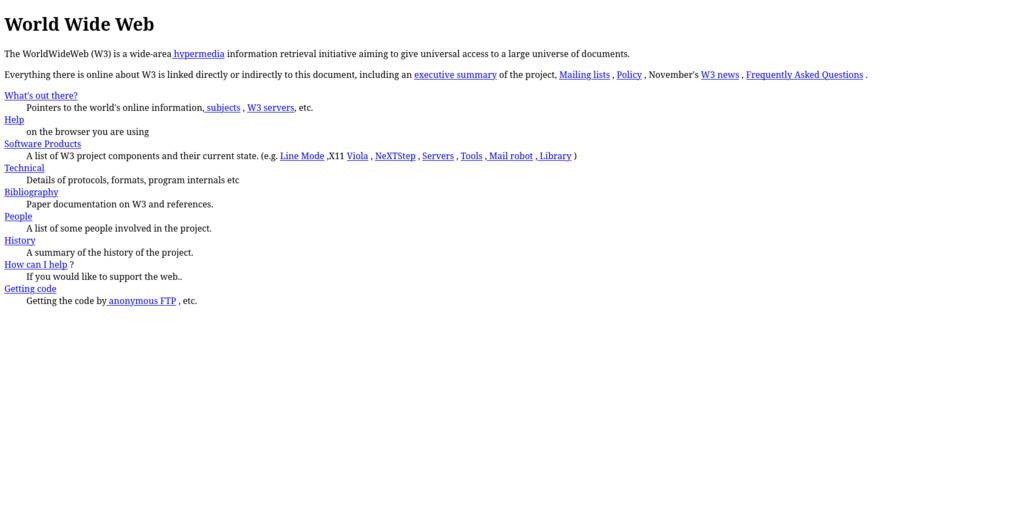
Websites are created for countless reasons. Some exist to provide information, like an online encyclopedia or a news site. Others are built to sell products, connect with friends, showcase creative work, or offer a service. The purpose of a website dictates its design and the features it includes.
The Building Blocks of a Website
Websites have a certain structure and consist of different common components.
While websites can look vastly different, they are all built from the same basic parts. Understanding these will help you see how any site is put together.
-
Web Pages: A website is made of one or more web pages. A single web page is a document, typically written in a language called HTML (HyperText Markup Language), that your browser can display. This very page you're reading is a web page.
-
Hyperlinks: Often just called "links," these are the clickable words or images that take you from one page to another. They are what make the web a "web," connecting billions of pages.
-
Multimedia: This includes all the non-text elements that make a site more engaging, like images, videos, sound clips, and animations.
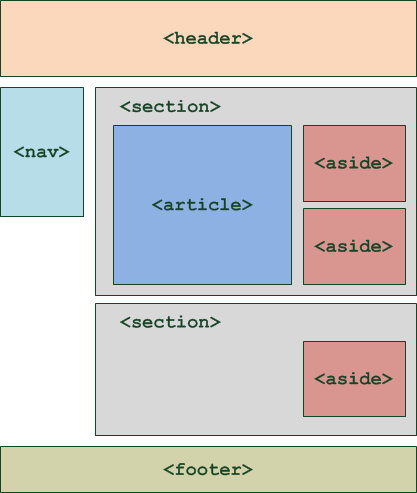
These components—pages, links, and media—are organized to serve the website's main goal. For example, an e-commerce site will have product pages with images and a "Buy Now" button, while a blog will have a series of posts linked chronologically.
Different Websites for Different Jobs
Just as there are different types of stores in a mall, there are many kinds of websites, each designed for a specific purpose.
| Type | Purpose | Example |
|---|---|---|
| Informational | To provide facts, news, or knowledge. | Wikipedia, news sites, government pages. |
| E-commerce | To sell goods or services directly to consumers. | Amazon, Etsy, Target.com. |
| Social Networking | To connect people and build online communities. | Facebook, Instagram, LinkedIn. |
| Blog | To publish articles, posts, and opinions from an individual or group. | Personal blogs, corporate newsrooms. |
| Portfolio | To showcase creative work, such as art, design, or writing. | A photographer's personal website. |
Recognizing a website's type can help you quickly understand its purpose and how to navigate it effectively. Now, let's see what you've learned.
Which of the following is the best analogy for the relationship between a website and its web pages?
What is the primary function of a hyperlink?
Understanding these fundamentals is the first step toward analyzing and creating for the web.