Web Engineering Essentials
Introduction to Web Engineering
Beyond Just Building Websites
Building a simple webpage is one thing. Creating a complex, high-traffic application like a social media platform, an online store, or a streaming service is a completely different challenge. This is where web engineering comes in. It's the disciplined approach to designing, developing, and maintaining high-quality, scalable, and reliable web applications.
Web Engineering
noun
The application of systematic, disciplined, and quantifiable approaches to the development, operation, and maintenance of web-based applications.
Unlike throwing a personal blog together over a weekend, web engineering involves a process. It considers everything from the initial idea to the user's experience, the underlying technology, and how the application will grow and evolve over time. It’s a multidisciplinary field, borrowing principles from software engineering, human-computer interaction, and even graphic design to create a seamless final product.
A Different Kind of Engineering
While web engineering grew out of traditional software engineering, it tackles a unique set of challenges. Traditional software, like a word processor or an operating system, is often developed over long cycles and installed directly on a user's machine. Web applications are fundamentally different.
| Feature | Traditional Software Engineering | Web Engineering |
|---|---|---|
| Development Cycle | Long, structured (e.g., Waterfall model) | Short, iterative, and incremental |
| Deployment | Installed on individual user machines | Deployed on a central server, accessed via browser |
| User Base | Often known, specific group of users | Diverse, anonymous, and unpredictable global audience |
| Content | Primarily functional, updated infrequently | Content is dynamic, frequently updated, and core to the app |
| Availability | Depends on the user's machine being on | Must be available 24/7 with near-perfect uptime |
The biggest difference is the pace. The web moves incredibly fast. New features are expected in weeks, not years. This constant pressure to evolve requires a flexible and adaptive approach that can handle rapid changes without breaking the entire system.
Web engineering prioritizes speed and iteration. The goal is to get a working product to users quickly, gather feedback, and continuously improve it.
How We Got Here
The need for a formal engineering discipline grew alongside the web itself. The journey from simple documents to complex applications happened in a few key stages.
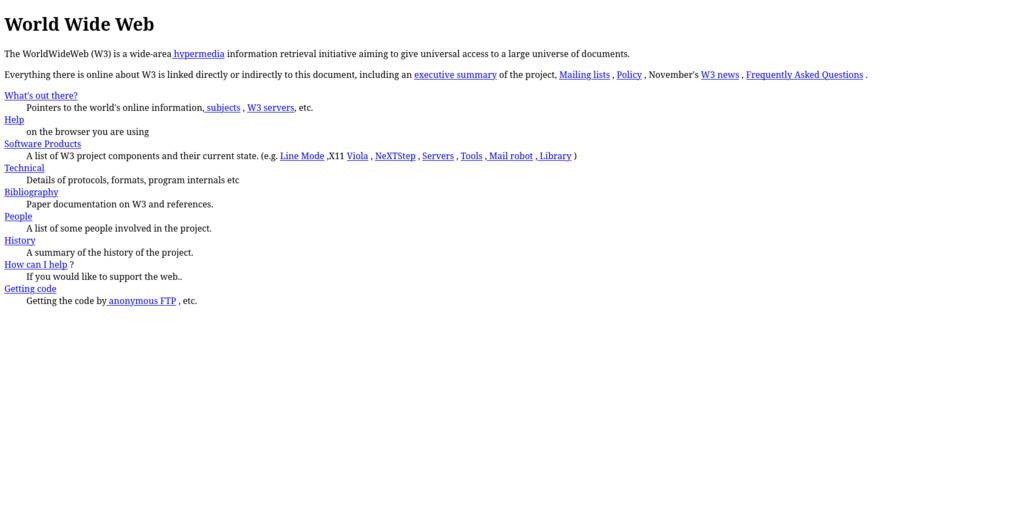
Web 1.0: The Read-Only Web In the beginning, the web was a collection of static, linked documents. Think of it as a giant, one-way encyclopedia. You could read information, but you couldn't really interact with it. The primary challenge was just getting content online and making it accessible.
Web 2.0: The Read-Write Web The mid-2000s brought a seismic shift. The rise of social media, blogs, and wikis turned the web into a two-way conversation. Users were no longer just consumers of content; they were creators. This explosion of user-generated data and complex interactions created new engineering challenges around scalability, security, and managing massive amounts of information.
Web 3.0 and Beyond: The Intelligent Web Today, we're moving into an era of even greater complexity. This new phase is characterized by artificial intelligence, the Internet of Things (IoT), and decentralized technologies. Web applications are becoming smarter, more personalized, and more integrated into our physical world. This requires an even more rigorous engineering approach to handle the immense scale and complexity.
Guiding Principles
To manage the chaos of web development, engineers rely on a set of core principles. These aren't strict rules, but rather guiding philosophies that lead to better applications.
Simplicity is Key: A simple, well-designed system is easier to build, maintain, and scale. Avoid unnecessary complexity wherever possible.
Quality Matters: A web application must be reliable, secure, and performant. Users have little patience for slow or buggy sites.
Embrace Change: The web is constantly evolving. A good architecture is flexible and can adapt to new technologies and user needs without a complete rewrite.
Focus on the User: The ultimate goal is to create a positive experience for the end user. Usability, accessibility, and overall satisfaction should drive every decision.
Understanding these foundations is the first step toward building web applications that are not only functional but also robust, scalable, and enjoyable to use. Now, let's test your understanding of these core concepts.
What is the primary focus of web engineering?
Which of the following best describes the transition from Web 1.0 to Web 2.0?
By applying a disciplined, engineering-focused mindset, developers can move from simply making websites to architecting complex systems that serve millions of people.