Video Generation Essentials
Introduction to Video Production
The Three Stages of Video
Making a great video is a lot like cooking a gourmet meal. You don't just walk into the kitchen and start throwing ingredients in a pan. There's a process: you plan the recipe, you gather and prepare the ingredients, and then you cook and plate the final dish.
Video production follows a similar three-part structure. Each stage has its own unique focus, but they all flow into one another to create a final, polished product. Understanding this workflow is the first step to making videos that look and feel professional.
Pre-Production: The Blueprint
This is the planning phase, and it's arguably the most important. Good pre-production is the foundation of a smooth shoot and a coherent final video. Rushing this step is like trying to build a house without a blueprint; you're setting yourself up for problems down the line.
During pre-production, the creative team answers all the big questions. What is the video's core message? Who is the target audience? What story are we telling? This is where ideas are brainstormed, scripts are written, and the entire project takes shape on paper. Key tasks include creating a storyboard, which is a comic-book-like version of the script, and a shot list, which details every single camera angle needed.
A well-planned project saves time, money, and stress during the actual filming.
Logistics are also a huge part of this stage. The team scouts for locations, casts actors, hires a crew, and creates a detailed schedule and budget. Every minute of the production phase costs money, so having a solid plan is essential.
Several key roles are central to pre-production:
Producer
noun
The project manager of the video. They handle the budget, scheduling, and all logistical aspects to ensure the project runs smoothly.
The producer works with the director to bring the creative vision to life within the practical constraints of the budget and schedule.
Director
noun
The creative lead of the project. They are responsible for the video's overall vision, guiding the actors' performances and making key decisions about the look and feel.
Production: Lights, Camera, Action
The production stage is where the magic happens. This is the actual filming, where all the planning from pre-production is put into action. The crew and cast come together on set, and the cameras start rolling.
On a film set, every person has a specific job. The Director of Photography, or DP, works with the camera and lighting crews to capture the shots exactly as planned in the storyboard. The sound mixer monitors audio levels to ensure dialogue is crisp and clear. The director is at the center of it all, guiding the talent and crew to execute the creative vision.
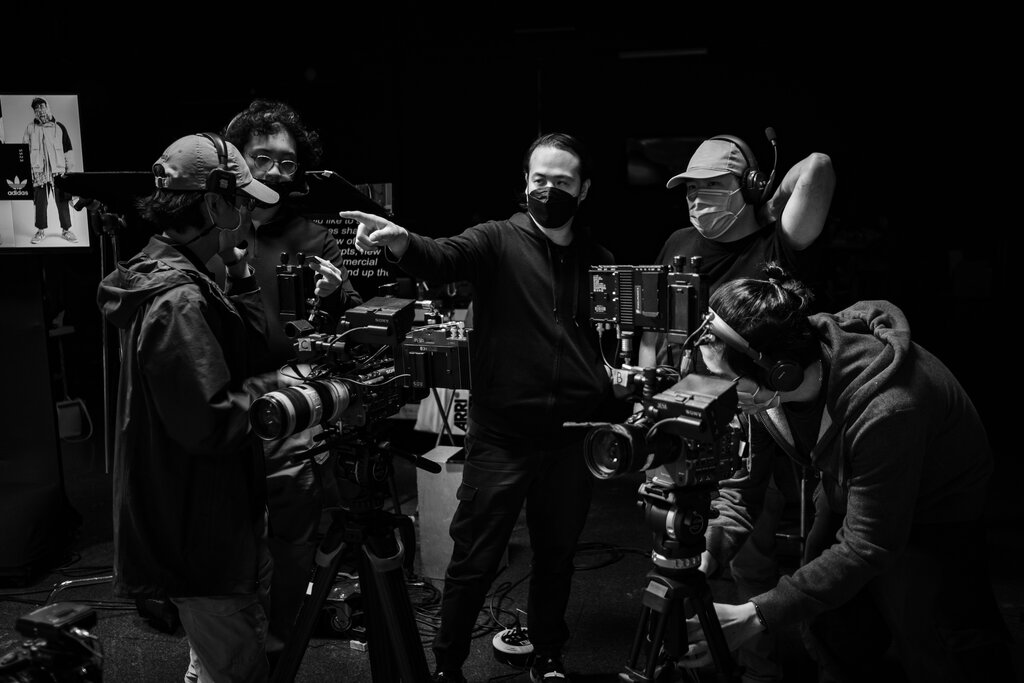
The goal of this phase is to capture all the primary footage, known as A-roll. This usually includes the main action and dialogue. The crew also shoots B-roll, which is supplemental footage used to add context and visual interest.
B-roll
noun
Supplemental or alternative footage intercut with the main shot. It's used to add dimension to the story, such as showing a character's surroundings or a close-up of an object they are discussing.
Post-Production: Putting It All Together
Once filming is complete, the project moves into post-production. This is where all the raw footage, audio, and graphics are combined to create the final video. If production is like gathering the ingredients, post-production is the final cooking and assembly.
The Video Editor takes center stage here. They sift through hours of footage to find the best takes and assemble them in a way that tells a compelling story. This is a creative and technical process that involves pacing, rhythm, and narrative structure.
Video editing and post-production: Editing the video is a crucial step to ensure it looks professional and gets your message across effectively.
But editing is more than just cutting clips together. Sound designers add music, sound effects, and ensure the audio is perfectly mixed. Colorists adjust the color and tone of the video to create a specific mood—a process called color grading. Finally, visual effects artists might add graphics, titles, or other digital elements.
Each of these three stages is essential. A great idea with poor planning will struggle in production. A perfectly shot film can be ruined by a bad edit. When all three phases work in harmony, you have a process that can turn a simple idea into a powerful piece of video content.
Now, let's test what you've learned about the stages of video production.