Video Creation Fundamentals
Understanding Video Production
The Three Stages of Video
Video production is the entire process of creating a video. Whether it's a Hollywood blockbuster, a YouTube tutorial, or a simple commercial, every video goes through a structured journey from idea to final product. This journey is almost always broken down into three distinct stages: pre-production, production, and post-production.
The process of video production is typically broken down into three major phases: pre-production, production, and post-production.
Thinking of it as a three-act play helps keep the process organized. Each stage has its own goals, tasks, and specialists. Let's walk through what happens in each one.
Pre-Production: The Blueprint
Pre-production is where the magic begins, long before a camera is ever turned on. This is the planning phase, and it's arguably the most critical. Strong planning prevents costly mistakes and ensures the actual shoot runs smoothly. Skipping steps here is a recipe for a chaotic, unfocused project.
Key tasks in pre-production include developing the core concept, writing the script, creating a storyboard to visualize shots, scouting locations, casting talent, and scheduling the shoot days.
Think of it like building a house. You wouldn't start mixing concrete without a detailed blueprint. In video, the script and storyboard are your blueprint. They guide every decision that follows.
Production: Lights, Camera, Action
This is the phase most people picture when they think of making a video. Production is the actual filming, where all the planning from pre-production is executed. The crew arrives on set, the equipment is set up, and the director works with the talent to capture all the necessary footage, or "shots."
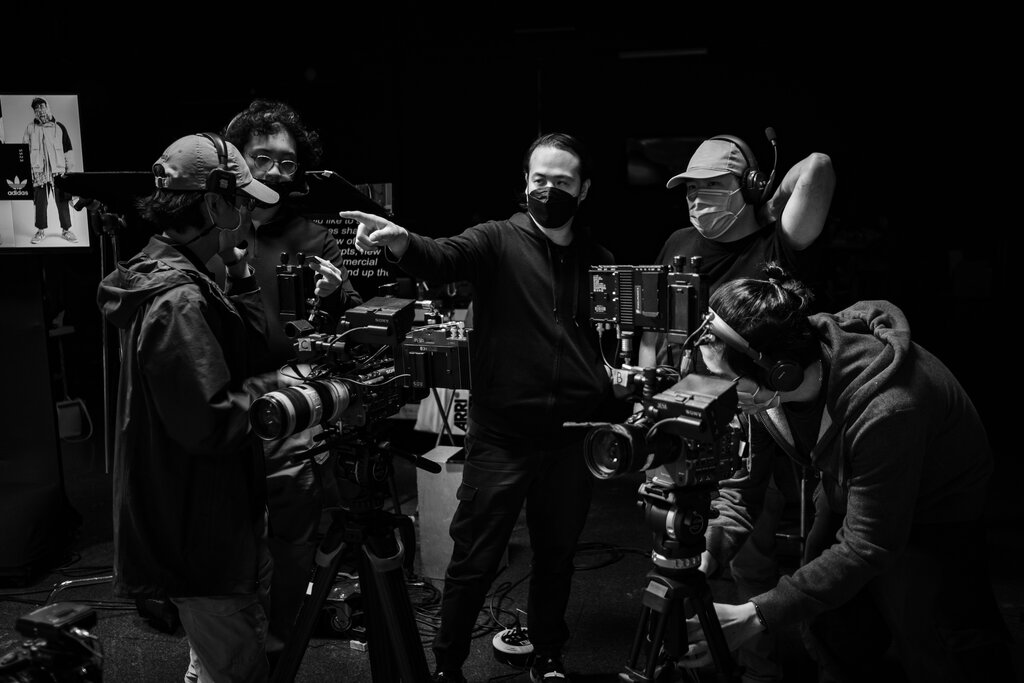
During production, the team focuses on getting high-quality video and audio. This involves carefully managing lighting, ensuring sound is clear, and getting the right performances from actors or interviewees. Every piece of raw footage captured here becomes the building blocks for the final video.
Post-Production: Assembling the Puzzle
Once all the footage is captured, the project moves into post-production. This is where the story is truly formed. The raw video clips are like puzzle pieces, and the editor's job is to assemble them into a coherent, engaging narrative.
This stage involves editing the video, color correcting the footage to create a consistent look, mixing audio, adding music and sound effects, and creating graphics or visual effects.

Post-production can be just as time-consuming as the other two stages combined. It’s where the final polish is applied, transforming a collection of clips into a finished product ready for an audience.
Who Does What?
While one person can technically handle all these stages for a small project, professional productions rely on a team of specialists. Each role is vital to the project's success.
| Role | Key Responsibilities |
|---|---|
| Producer | Manages the entire project, from budget and scheduling to hiring crew. Oversees all three stages. |
| Director | Shapes the creative vision. Guides the actors and the camera crew during production. |
| Screenwriter | Writes the script, including dialogue and action, during pre-production. |
| Cinematographer | Also called the Director of Photography (DP). In charge of the camera and lighting crews. Creates the visual style of the video. |
| Editor | Assembles the raw footage in post-production. Crafts the final story. |
These are just a few of the core roles. On larger sets, you'll find dozens of other specialists, from sound mixers and gaffers (lighting experts) to production assistants.
Now that you have an overview of the process and the people involved, let's test your knowledge.
In which stage of video production is the script written and the storyboard created?
The assembly of raw footage into a coherent story happens during the production stage.
Understanding these three stages—pre-production, production, and post-production—is the first step toward creating compelling video content.