Vibe Coding Explained
Introduction to Vibe Coding
What is Vibe Coding?
Vibe coding is a fresh approach to building software. Instead of focusing strictly on syntax and rigid logic, it prioritizes intuition, creativity, and a collaborative flow with artificial intelligence. The developer's main job shifts from writing every single line of code to guiding an AI partner with high-level ideas and desired outcomes.
Vibe coding is the practice of creating software by describing what you want in natural language, letting artificial intelligence generate the code, and then refining it through conversation.
Think of it like this: an architect doesn't lay every brick. They create a blueprint and describe the feel of a building—cozy, modern, grand. Then, they work with a construction team to bring that vision to life. In vibe coding, the developer is the architect, and the AI is the highly-skilled construction team that handles the tedious, line-by-line work. The focus moves from the mechanics of coding to the art of creation.
The Rise of a New Style
Vibe coding isn't a formal methodology you learn from a textbook. It's a cultural shift, born from the recent explosion in powerful AI coding assistants. Tools powered by large language models (LLMs) can now understand natural language, write complex code, and even suggest improvements. This new capability opened the door for a more fluid, conversational way of programming.
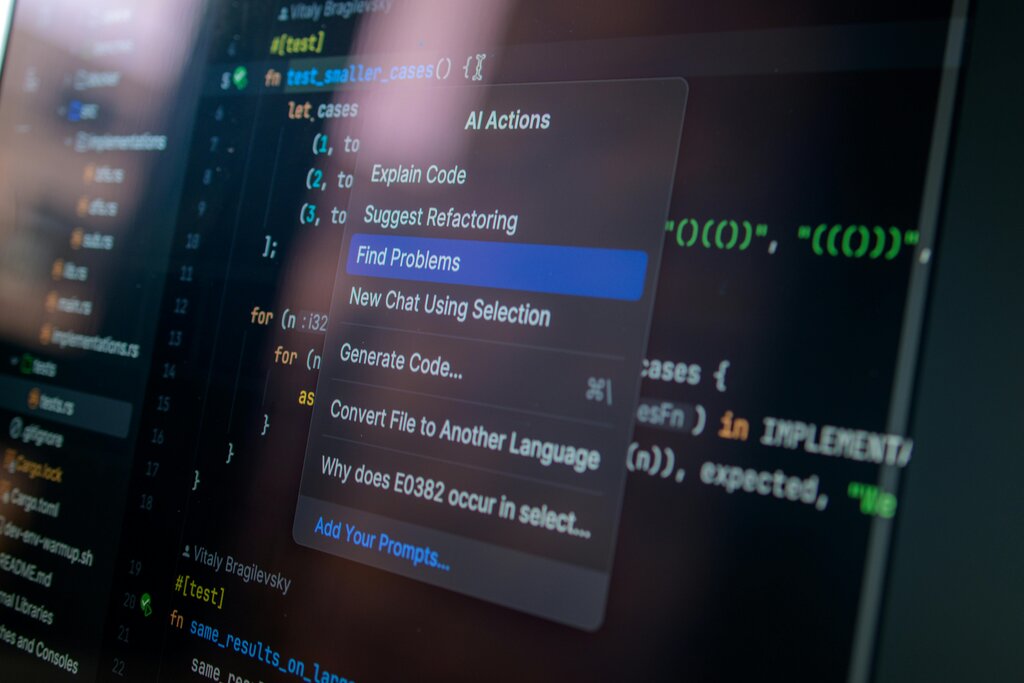
This evolution started as developers began using AI for simple tasks, like autocompleting a line of code. As the AI grew more capable, the partnership deepened. Now, developers can ask the AI to generate entire features, refactor messy code, or explain a complex algorithm. This changes the developer's role from a pure technician to something more like a creative director, steering the project's overall vision while the AI handles much of the implementation.
Core Principles
While vibe coding is flexible, it's guided by a few key ideas that set it apart from traditional programming.
The central pillar is human-AI collaboration. It's a partnership. The developer provides the creative spark, context, and high-level goals. The AI provides speed, knowledge of syntax, and the ability to generate code rapidly. The magic happens in the back-and-forth dialogue between the two.
Another principle is a focus on intent over implementation. In the past, you had to tell the computer exactly what to do, step by painstaking step. With vibe coding, you describe what you want to achieve. For example, instead of writing dozens of lines of CSS, you might tell your AI assistant, "Create a login button that looks friendly and modern, with a subtle animation when clicked."
Finally, this approach values intuition and creative flow. It encourages developers to follow their ideas without getting stuck on boilerplate or syntax errors. By letting the AI handle the mechanical parts, the developer can stay in a creative mindset, experimenting and iterating on ideas much faster than before.
| Principle | Vibe Coding Approach | Traditional Coding Approach |
|---|---|---|
| Focus | High-level intent and 'the vibe' | Low-level implementation and syntax |
| Process | Conversational and iterative | Structured and methodical |
| Role of Developer | Creative director, architect | Builder, technician |
| Primary Tool | AI-assisted code generation | Manual code writing |
Ready to review these new concepts?
Let's check your understanding of these core ideas.
What is the primary focus of 'vibe coding'?
In the architect analogy for vibe coding, what does the AI partner represent?
By embracing this collaborative approach, developers can focus more on solving big problems and creating great experiences, transforming the way we think about building software.