Vibe Coding Explained
Introduction to Vibe Coding
What Is Vibe Coding?
Imagine you want to build a piece of software. Instead of meticulously writing every line of code yourself, you describe what you want to an AI assistant in plain English. The AI generates the code, you test it, and then you refine your description until the software works exactly as you envisioned. This conversational, experimental approach is the essence of vibe coding.
Vibe coding is the practice where users rely on AI code generation tools through intuition and trial-and-error without necessarily understanding the underlying code.
It’s a partnership. The developer acts as a director, providing the vision and feedback, while the AI acts as the engineer, handling the syntax and structure. The focus shifts from the how—the specific lines of code—to the what—the ultimate goal of the program.
Origins and Key Characteristics
The term was popularized by computer scientist Andrej Karpathy in early 2025. He used it to describe a new, more intuitive way of programming that was emerging with the rise of powerful large language models (LLMs).
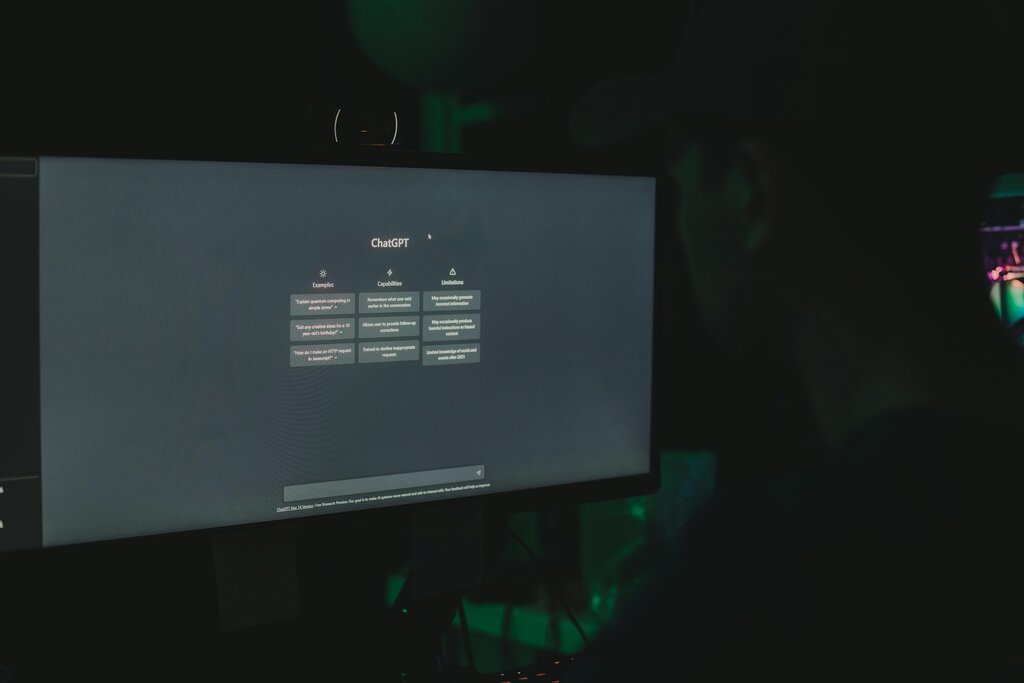
Vibe coding is defined by a few key characteristics:
- Natural Language: The primary input isn't a programming language like Python or Java; it's conversational language.
- Iteration and Experimentation: The process is a rapid loop of prompting, generating, testing, and refining. It embraces trial and error.
- High-Level Focus: The developer concentrates on the overall functionality and user experience, leaving the low-level implementation details to the AI.
Centered on iterative co-design with an AI assistant, vibe coding emphasizes flow and experimentation over strict upfront specification.
Traditional vs. Vibe Coding
Traditional coding is like following a detailed blueprint. You must plan the structure, understand the properties of your materials (the programming language), and build everything step-by-step. Vibe coding is more like sculpting with an intelligent tool. You have a vision, and you guide the tool, adding and removing material until the final form emerges.
This fundamental difference leads to a new kind of workflow, summarized below.
| Feature | Traditional Coding | Vibe Coding |
|---|---|---|
| Input | Formal syntax (e.g., Python) | Natural language (e.g., English) |
| Process | Deliberate, structured, planned | Experimental, iterative, fluid |
| Focus | How to build (implementation) | What to build (the goal) |
| Core Skill | Language mastery, logic | Prompting, validation, direction |
Vibe coding doesn't eliminate the need for technical understanding. A developer still needs to be able to evaluate the AI's output, spot errors, and provide clear, effective feedback. The role simply evolves from a sole creator into that of a collaborator and guide.
What is the primary input method used in vibe coding?
The text compares traditional coding to following a blueprint. What is vibe coding compared to?