Vibe Coding Explained
Introduction to Vibe Coding
What Is Vibe Coding?
Imagine describing a piece of software in plain English, and an AI assistant builds it for you. That’s the core idea behind vibe coding. Instead of writing code line by line, you tell a large language model (LLM) what you want to achieve. The focus shifts from syntax and structure to describing the functionality and the desired 'vibe' of the application.
Vibe coding is the practice where users rely on AI code generation tools through intuition and trial-and-error without necessarily understanding the underlying code.
The term was popularized by AI researcher Andrej Karpathy in early 2025. It captures the fluid, conversational nature of this new development style. You're not just commanding a machine; you're co-designing with an AI partner, refining your ideas through an ongoing dialogue. This approach prioritizes rapid prototyping and getting a feel for the end product over perfecting the underlying code from the start.
An Iterative Conversation
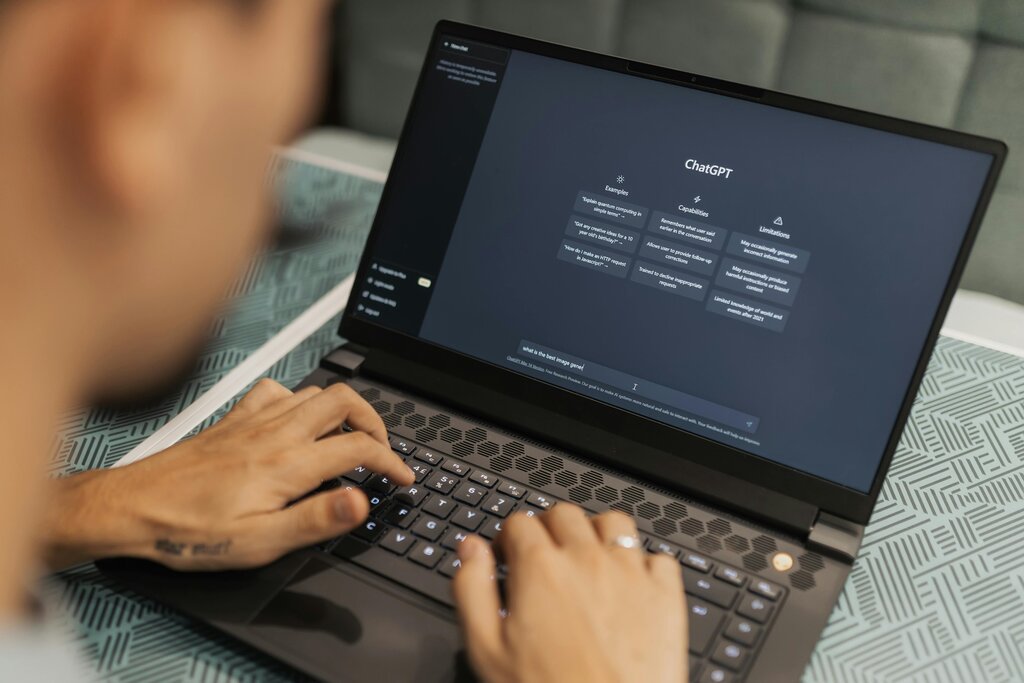
Traditional coding is often a one-way street: you write instructions, and the computer executes them. Vibe coding is a two-way conversation. You provide an initial prompt, the LLM generates code, and then you provide feedback to refine it. The process is iterative, with the developer guiding the AI toward the final goal through a series of natural language adjustments.
For example, you might start with, "Build me a simple timer app." After the AI generates the first version, you could follow up with, "Okay, now add a lap button," and then, "Make the color scheme dark mode with green text." Each step refines the application without you ever touching the source code directly.
This method allows for fast experimentation. You can test ideas and change direction quickly, making it ideal for the early stages of a project where the final vision is still taking shape.
How It Compares
Vibe coding isn't a replacement for traditional programming, but rather a different tool for a different job. The fundamental approach and required skills are distinct.
| Feature | Traditional Coding | Vibe Coding |
|---|---|---|
| Focus | Code correctness, structure, and efficiency. | Desired functionality and user experience. |
| Process | Manual, line-by-line implementation. | Conversational and iterative refinement. |
| Developer's Role | Writes and debugs the code directly. | Describes goals and provides feedback to an AI. |
| Pace | Methodical and deliberate. | Rapid prototyping and experimentation. |
The rise of this approach has been rapid. By March 2025, Merriam-Webster had listed 'vibe coding' as a trending slang term. Later that year, it was named Collins Dictionary's Word of the Year for 2025, cementing its place in the tech lexicon.
Ready to check your understanding?
What is the core idea behind 'vibe coding'?
How does the vibe coding process primarily differ from a traditional coding workflow?
Vibe coding represents a significant shift, prioritizing high-level creative direction over low-level technical implementation.