Vibe Coding Explained
Introduction to Vibe Coding
What Is Vibe Coding?
Vibe coding is a new way to build software by talking to an AI. Instead of writing code line by line, you describe what you want in plain English, and a large language model (LLM) generates the code for you. The focus shifts from the technical details of syntax to the overall goal and feel—the “vibe”—of the project.
Vibe coding is the practice of creating software by describing what you want in natural language, letting artificial intelligence generate the code, and then refining it through conversation.
The term was popularized by AI researcher Andrej Karpathy in early 2025. It captures a fundamental shift in the developer's role. You act as a director, guiding the AI through prompts and feedback, while the AI handles the implementation. This makes the process feel more like a creative conversation than a rigid, logical exercise.
The Vibe Coding Workflow
The core of vibe coding is a rapid, iterative loop. What makes it different from just using an AI to autocomplete a line of code is the evaluation process. The developer often doesn't review the code itself. Instead, they run the program and judge the result.
The process looks like this:
- Prompt: You give the AI a high-level command. For example, “Create a simple web-based timer that counts down from ten minutes and plays a sound when it's done. Make it look sleek and modern.”
- AI Generation: The LLM writes all the necessary HTML, CSS, and JavaScript code.
- Evaluation: You don't read the code. You open the web page and test it. Does it count down correctly? Does the alarm sound? Do you like the design?
- Refinement: Based on the outcome, you give more instructions. “Okay, that works. Now change the background to dark gray and make the numbers glow bright green. Also, add a reset button.”
You repeat this loop, experimenting and refining until the result matches your vision.
The Good and The Bad
Vibe coding offers some clear advantages, especially for getting ideas off the ground quickly.
Its main strength is speed. You can build and test a functional prototype in a fraction of the time it would take with traditional coding. This makes it perfect for hackathons, startups, and anyone who wants to experiment with new ideas without a huge time investment.
It also makes software development more accessible. Individuals without a deep programming background can create useful applications by focusing on their idea rather than getting stuck on syntax. This lowers the barrier to entry and can unlock a lot of creativity.
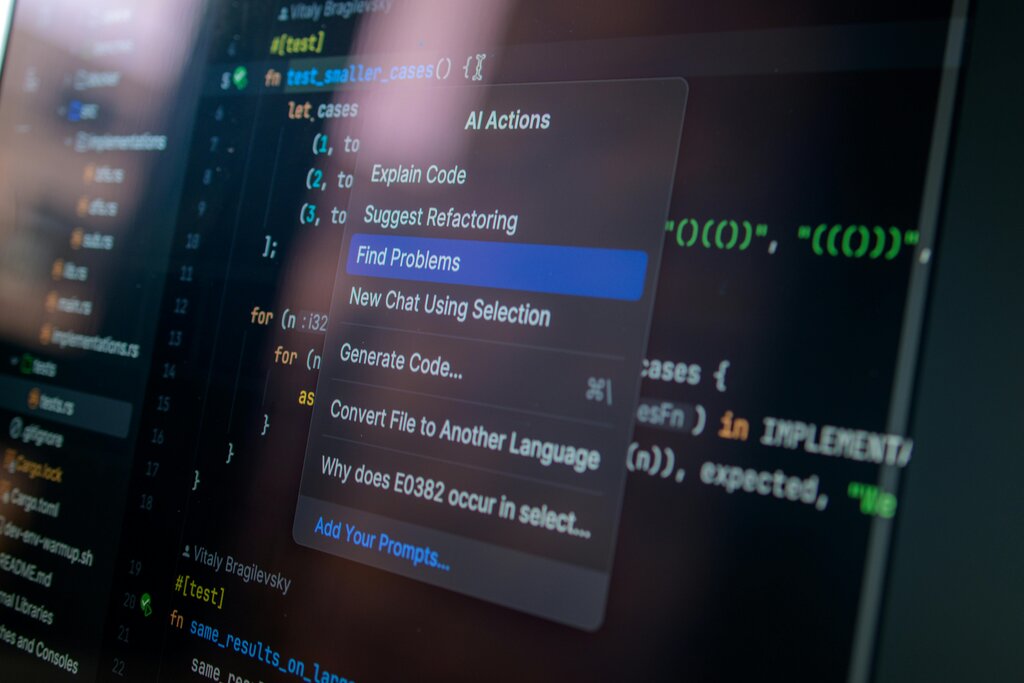
However, this approach comes with significant risks. When you don't understand the underlying code, you can't be sure of its quality. The AI might produce inefficient, buggy, or hard-to-maintain code. Even worse, it could introduce serious security vulnerabilities that you would never notice just by testing the application's functionality.
Because the developer may not grasp the code's structure, fixing problems or adding complex features later can become incredibly difficult. The project can become a fragile “black box” that works, but nobody knows exactly how or why.