Vibe Coding Explained
Introduction to Vibe Coding
What is Vibe Coding?
Instead of writing code line by line, imagine describing what you want your program to do in plain English. You have a conversation with an AI, and it generates the code for you. That's the core idea behind vibe coding.
Vibe coding is a new programming approach where, instead of writing code manually in a programming language, a developer (or even a non-developer) interacts with an AI, typically a large language model (LLM), to generate the code.
This process relies on Large Language Models, or LLMs. These are complex AI systems trained on vast amounts of text and code. They can understand instructions, recognize patterns, and produce human-like text, including functional source code. In vibe coding, the developer's job shifts from being a manual writer to being a director, guiding the LLM with prompts and refining the output.
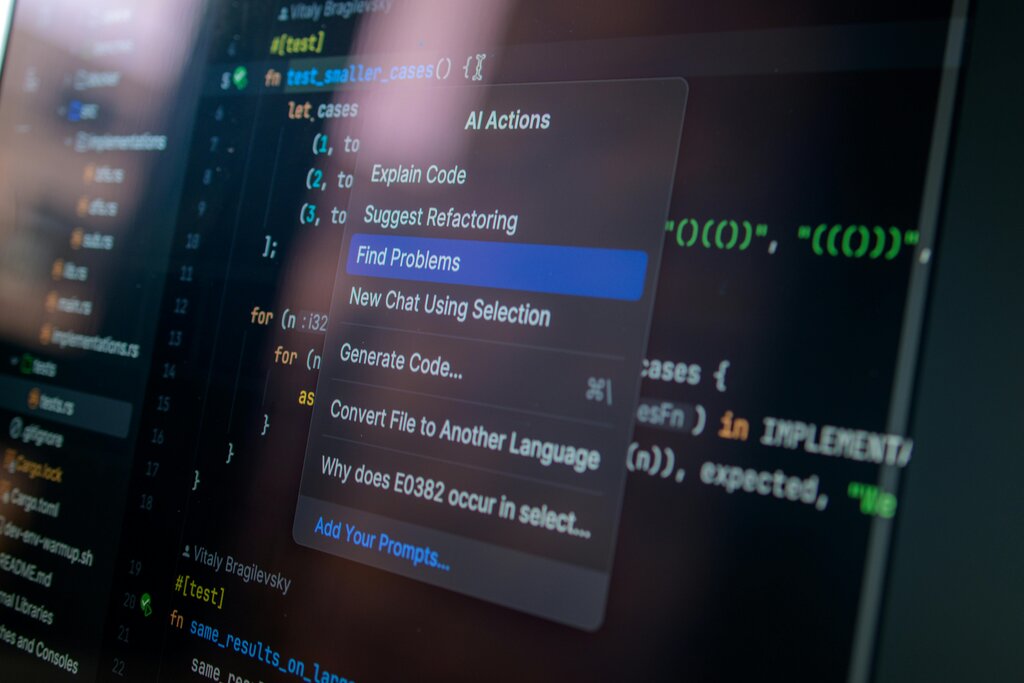
A New Way to Build
Traditional coding is a precise, deliberate process. You plan the logic, write the syntax, and debug errors one by one. Vibe coding is more like sculpting. You start with a rough idea, and the LLM gives you a block of code to work with. Then, you iteratively tweak your prompts, giving feedback until the program behaves exactly as you want.
This makes the development process feel more experimental and fluid. You're less focused on the strict rules of a programming language and more focused on the final result.
| Feature | Traditional Coding | Vibe Coding |
|---|---|---|
| Developer's Role | Writes code line-by-line | Describes intent and refines AI output |
| Process | Structured and methodical | Iterative and experimental |
| Initial Step | Writing a 'Hello, World!' program | Writing a prompt like 'Create a simple web server' |
| Focus | Syntax and logic | Desired outcome and behavior |
The goal isn't to replace developers, but to change how they work. It allows for faster prototyping and lets developers tackle problems by describing the "vibe" of the solution, rather than getting bogged down in boilerplate code.
Origins and Key Players
While the idea of generating code from natural language has been around for a while, the term "vibe coding" gained popularity more recently.
Vibe coding, a term coined by Andrej Karpathy in February 2025, has quickly become a compelling and controversial natural language programming paradigm in AI-assisted software development.
Karpathy, a prominent researcher in AI, helped popularize the idea that developers could work more effectively by collaborating with LLMs. This wasn't a sudden invention but the result of years of progress in machine learning. As LLMs became more powerful and accessible, this new style of programming emerged naturally.
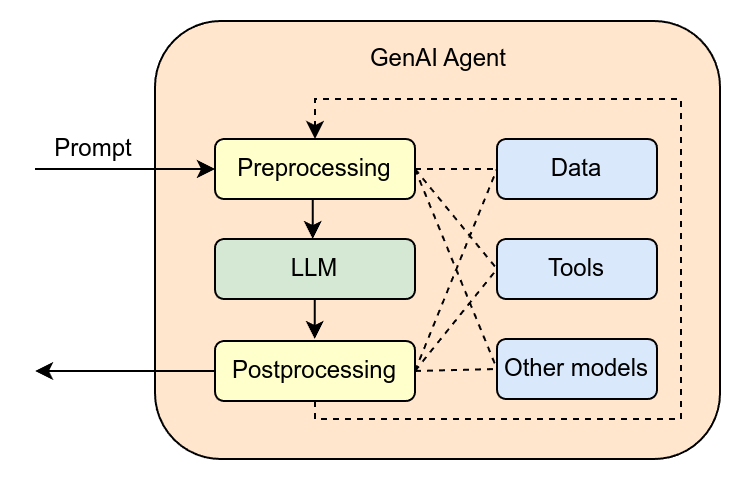
The rise of powerful tools like GitHub Copilot and ChatGPT showed millions of developers that AI could be a useful partner in their daily work. Vibe coding is the natural evolution of this partnership, moving from simple code completion to full-on collaborative development.
Let's review what you've learned.