Vibe Coding Explained
Introduction to Vibe Coding
What Is Vibe Coding?
Instead of writing code line by line, imagine describing what you want your software to do in plain English. You might say, "Build me a simple website with a blue header and a contact form." An AI then takes your instructions and generates the necessary code. This is the core idea behind vibe coding.
Vibe coding is the practice of creating software by describing what you want in natural language, letting artificial intelligence generate the code, and then refining it through conversation.
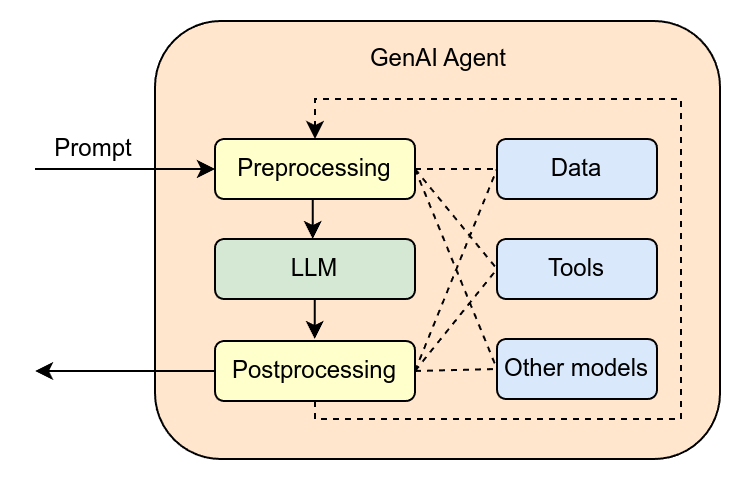
The term was coined by AI researcher Andrej Karpathy in February 2025 to describe this new, conversational approach to software development. It relies on Large Language Models (LLMs), the same technology that powers advanced chatbots. These LLMs are trained on vast amounts of text and code, allowing them to understand human language and translate it into functional programming syntax.
A New Role for Developers
Vibe coding doesn't make developers obsolete; it changes their role. In traditional programming, a developer's main job is to write, structure, and debug code manually. It's a process that requires deep knowledge of specific programming languages and syntax.
With vibe coding, the developer acts more like a director or an architect. Their job shifts from writing every single instruction to providing clear, high-level guidance. They describe the goal, review the AI's output, test the code, and then refine their prompts to fix any issues. The focus moves from syntax to strategy.
| Aspect | Traditional Coding | Vibe Coding |
|---|---|---|
| Primary Task | Writing code manually | Describing intent to an AI |
| Developer's Role | Coder, builder | Director, reviewer, tester |
| Core Skill | Language syntax, logic | Clear communication, critical testing |
| Process | Linear, detail-oriented | Iterative, conversational |
Benefits and Challenges
The most significant benefit of vibe coding is speed. It can drastically reduce the time it takes to build prototypes or write boilerplate code. This approach also makes software development more accessible. Someone with a great idea but limited coding skills can start building things by describing their vision.
However, this new method comes with challenges. AI-generated code isn't always perfect. It can contain subtle bugs, inefficiencies, or even security vulnerabilities that a human expert might not spot right away. Relying too heavily on AI without understanding the output can lead to fragile or insecure applications.
This is why human oversight is crucial. The AI is a powerful tool, but the developer is the one who is ultimately responsible for the quality, safety, and reliability of the final product.
Think of it like using a calculator. It can perform complex calculations instantly, but you still need to know which numbers to enter and whether the final answer makes sense in the context of your problem. Vibe coding is similar; it accelerates the process, but the human programmer must still steer the ship.
What is the core concept of 'vibe coding'?
According to the concept of vibe coding, how does the role of a software developer primarily shift?
Vibe coding represents a fundamental shift in how we create software, turning it into a collaborative dialogue between human and machine. Understanding its principles is the first step to navigating this new landscape.