Used Car Buying Guide
Understanding Used Car Market
The Used Car Puzzle
Buying a used car can feel like a treasure hunt. You can find incredible deals and get a great vehicle for a fraction of its original price. But it's also a market where what you see isn't always what you get. Unlike new cars that roll off the assembly line identical to one another, every used car has a unique story.
That story includes every bump, every repair, and every missed oil change. Your goal is to uncover that history before you buy. Finding a reliable used car isn't about luck; it's about doing your homework and knowing what to look for.
Finding a trouble-free used car has nothing to do with luck and everything to do with applying good research and investigative skills.
Why a Close Look Matters
A fresh coat of paint and a clean interior can hide a multitude of problems. That's why a thorough inspection is non-negotiable. Think of it like buying a house; you'd hire a professional to check the foundation, plumbing, and roof. A car is a major purchase that deserves the same level of scrutiny.
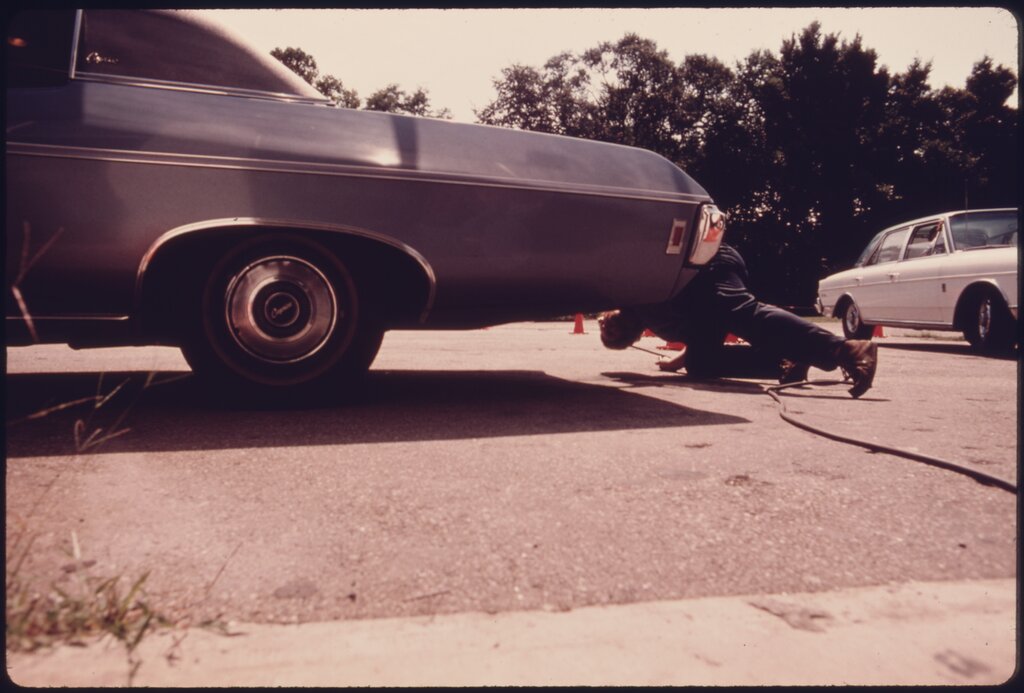
An independent mechanic can spot signs of previous accidents, flood damage, or engine troubles that you might miss. This pre-purchase inspection gives you a clear picture of the car's health. The mechanic's report is powerful. It can confirm you're making a solid investment or give you the evidence you need to walk away from a bad deal.
An inspection report can also be a powerful negotiation tool. If it uncovers problems, you can use that information to justify a lower price.
Dodging Common Pitfalls
The used car market has a few classic traps for unwary buyers. Knowing them is the first step to avoiding them.
| Pitfall | What It Means |
|---|---|
| Hidden Damage | The car was in an accident and repaired cheaply. It might look fine, but have underlying structural or mechanical problems. |
| Odometer Fraud | The car's mileage has been illegally rolled back to make it appear less used and more valuable. |
| Title Washing | A vehicle with a salvage title (from a major accident or flood) is retitled in a different state to get a "clean" title, hiding its history. |
| Neglected Maintenance | The previous owner skipped routine services, which can lead to expensive, premature component failure for the next owner. |
These issues can turn a dream car into a financial nightmare. Fortunately, there are tools available to help you vet a vehicle before you commit.
Your Research Toolkit
You don't have to rely solely on the seller's word. Several key resources can help you assess a used car's history and value.
One of the most important tools is the Vehicle History Report. Companies like CarFax and AutoCheck compile data from DMVs, insurance companies, and repair shops to create a detailed timeline for a specific car using its Vehicle Identification Number (VIN).
A history report can tell you about:
- Accident history
- Title problems (like salvage or flood damage)
- Odometer readings at different points in time
- Number of previous owners
- Service records
Beyond the history, you need to know the car's market value. Websites like Kelley Blue Book (KBB) and Edmunds provide pricing guides based on a car's make, model, year, mileage, and condition. Use these to understand what a fair price is before you start talking numbers with a seller.
By combining research, a vehicle history report, and a professional inspection, you shift the power into your hands. You'll be equipped to make an informed decision and find a reliable car at a fair price.