US AI Policy Explained
Introduction to AI Policy
What Is AI Policy?
Artificial intelligence is no longer just science fiction. It's woven into our daily lives, from the apps on our phones to the systems that manage traffic and healthcare. As this technology becomes more powerful, we need a set of rules to guide its development and use. This is where AI policy comes in.
Think of AI policy as the rulebook for a very complex game. It's a collection of laws, guidelines, and strategies that governments create to manage artificial intelligence. The goal is to make sure AI is developed and used safely, ethically, and for the benefit of everyone.
At its core, it's the system of policies, structures, and practices that ensure AI is developed and used in a trustworthy, ethical, and lawful manner.
This isn't just about preventing robot takeovers. Good AI policy tackles real-world issues today. It addresses questions like: How do we protect people's privacy when AI systems use personal data? How can we prevent algorithms from making biased decisions in areas like hiring or loan applications? And how do we encourage innovation while managing potential risks?
Without a clear policy, we risk a future where AI develops in a chaotic, unpredictable way. A strong framework helps steer this powerful technology toward positive outcomes, building public trust along the way.
The Road to AI Governance
The conversation around AI policy in the United States didn't start overnight. For decades, AI was a niche field confined to research labs. As computing power grew and machine learning techniques advanced in the 2000s and 2010s, AI's potential began to explode. Suddenly, it was a topic of national interest.
Early government involvement focused on funding research and exploring AI's potential for national security and economic competitiveness. But as AI systems became more capable and widespread, the focus shifted. Policymakers started to grapple with the broader societal implications.
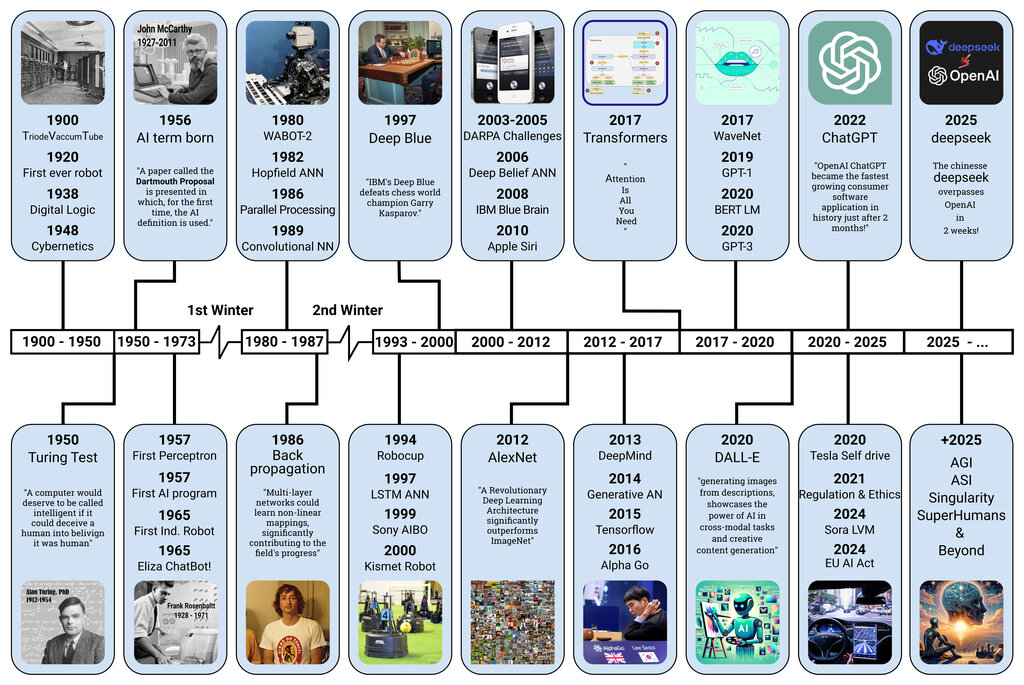
By the mid-2010s, the U.S. government began to formalize its approach. It released reports and strategic plans that laid the groundwork for a national AI strategy. These early efforts recognized the dual challenge: promoting U.S. leadership in AI technology while establishing guidelines to ensure its responsible deployment. This set the stage for the more structured policy frameworks we see developing today.
Who Makes the Rules?
Creating AI policy in the U.S. is a team effort involving various parts of the government. There isn't a single "Department of AI." Instead, responsibility is spread across several key bodies.
The White House plays a central role, often through the Office of Science and Technology Policy (OSTP). This office advises the President and helps coordinate AI-related initiatives across the entire federal government. They are responsible for setting the overall direction and strategy for the nation's approach to AI.
Congress is also a major player. As the legislative branch, it has the power to pass laws that regulate AI, allocate funding for research, and conduct oversight to hold agencies accountable. Lawmakers are actively debating how to best approach AI, from protecting consumers to promoting innovation.
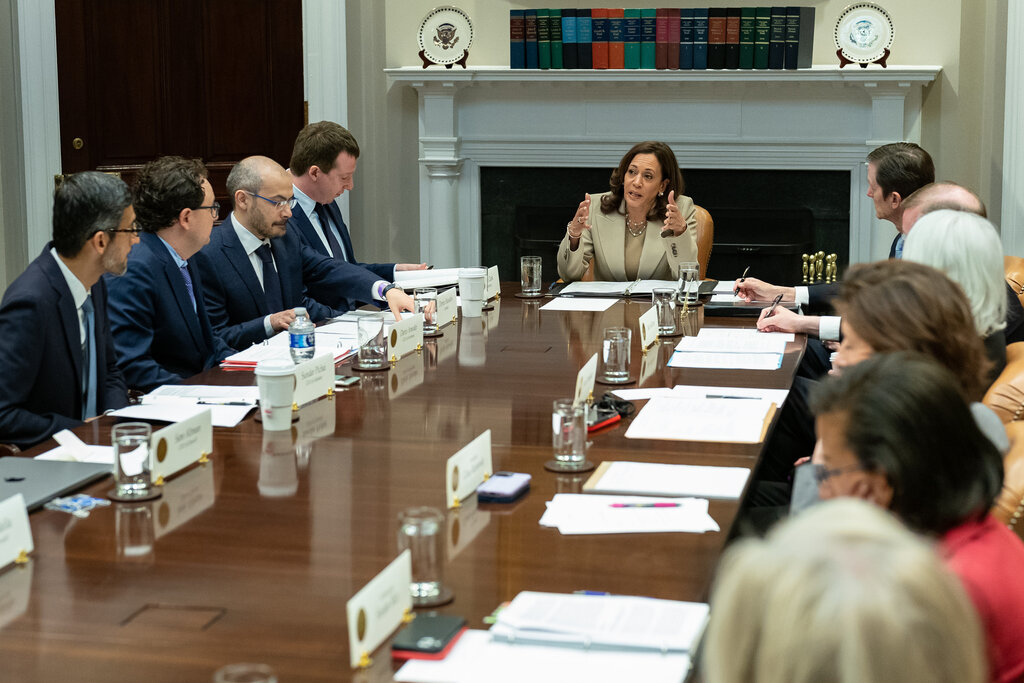
Beyond the White House and Congress, numerous federal agencies are involved. The National Institute of Standards and Technology (NIST), part of the Department of Commerce, is crucial for developing technical standards and best practices for AI systems. This helps ensure that AI is reliable, safe, and trustworthy.
Other agencies, like the Department of Defense and the Department of Health and Human Services, also shape AI policy within their specific domains, applying it to everything from military technology to medical diagnostics. This distributed approach allows for specialized expertise in how AI affects different sectors of society.
Effective AI governance relies on a coordinated effort between the executive branch, Congress, and specialized federal agencies.
Now, let's test your understanding of the fundamentals of U.S. AI policy.
What is the primary goal of AI policy?
True or False: In the United States, a single 'Department of AI' is responsible for creating all AI-related laws and guidelines.
Understanding the what, why, and who of AI policy provides a solid foundation. These core concepts are the building blocks for the specific rules and strategies that shape how AI will evolve in the United States.