Urinary Incontinence Explained
Introduction to Urinary Incontinence
What Is Urinary Incontinence?
Urinary incontinence is the unintentional loss of urine. It means you leak urine when you don't want to. It's a common issue that affects millions of people, but it's not a normal part of aging or something you just have to live with. The severity can range from occasionally leaking a small amount of urine when you cough or sneeze to having an urge to urinate that's so sudden and strong you can't get to a toilet in time.
Simply put, incontinence is the loss of bladder control. It happens when the body's system for storing and releasing urine doesn't work correctly.
Living with incontinence can be challenging. It can affect your daily activities, social life, and emotional well-being. Many people feel embarrassed and try to hide the problem, which can lead to isolation. Understanding the basics of how your body controls urination is the first step toward managing the condition and improving your quality of life.
A Look at Your Urinary System
To understand incontinence, it helps to know how your urinary system is supposed to work. This system is responsible for creating, storing, and eliminating urine from your body. It has several key parts that work together in a coordinated effort.
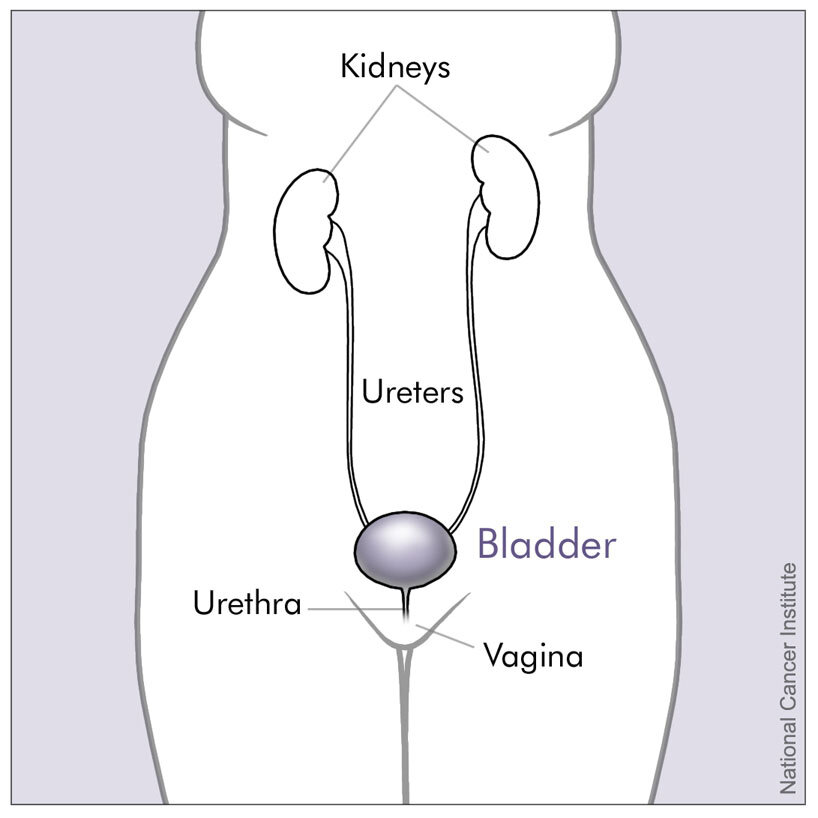
Here are the main components:
- Kidneys: These two bean-shaped organs filter waste products from your blood to create urine.
- Ureters: These are two thin tubes that carry urine from the kidneys down to the bladder.
- Bladder: This is a hollow, muscular organ that sits in your pelvis. It acts like a reservoir, stretching to store urine.
- Urethra: This is the tube through which urine leaves your body.
Two sets of muscles are also crucial for bladder control: the sphincter muscles and the pelvic floor muscles.
The sphincter muscles surround the urethra and squeeze it shut to prevent urine from leaking out. The pelvic floor muscles support the bladder and help the sphincters do their job.
How Bladder Control Works
Normal urination, or micturition, is a complex process involving your brain, nerves, and muscles. It's a finely tuned balancing act.
As your bladder fills with urine, it expands. Nerves in the bladder wall send signals to your brain, letting it know that it's starting to get full. When you're ready to urinate, your brain sends signals back down to the muscles involved.
During the emptying phase, two things happen at once:
- The bladder muscle (called the detrusor muscle) contracts, squeezing the bladder to push urine out.
- The sphincter muscles at the bladder neck and around the urethra relax, opening the path for urine to exit.
This coordination is key. Incontinence occurs when any part of this system fails. For example, the bladder muscle might squeeze without warning, or the sphincter muscles might not be strong enough to hold back urine.