Unseen Daily Challenges
Identifying Daily Inefficiencies
Spotting the Time Thieves
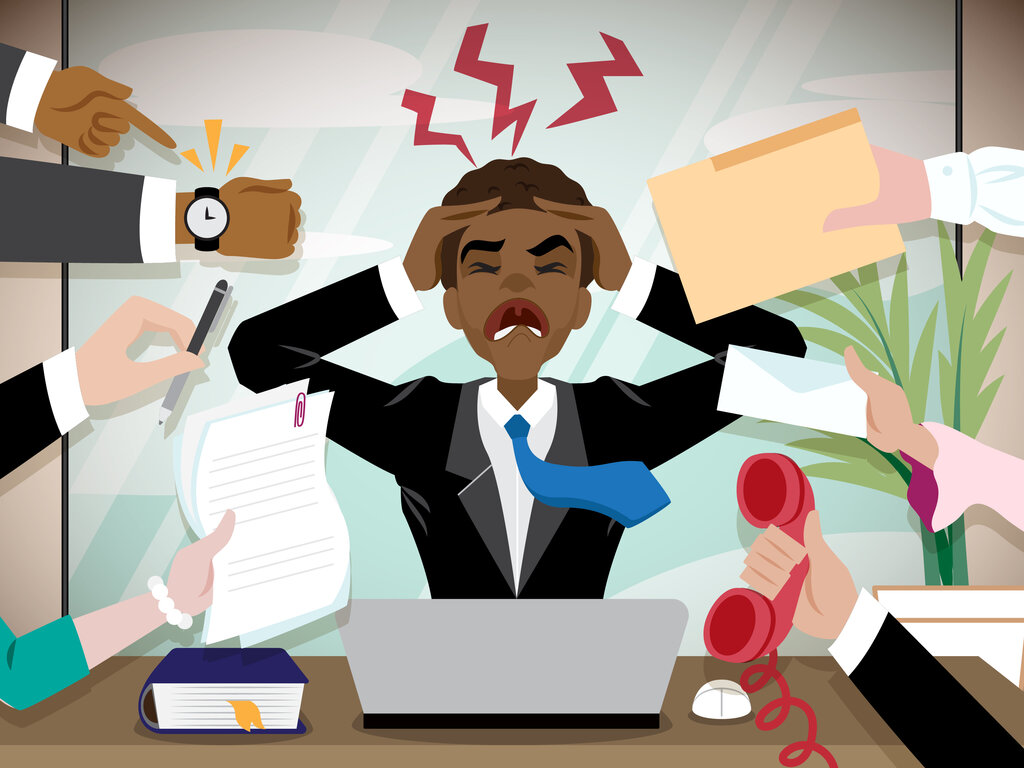
Productivity isn’t about working harder. It’s about working smarter. But it's tough to work smart when hidden problems are quietly draining your time and energy. Before you can build better habits, you first need to identify the inefficiencies that are holding you back. Think of it as a diagnosis. You can't treat an illness until you know what it is. Let's look at the common culprits.
Direction and Planning
Many inefficiencies start before you even begin a task. They're rooted in a lack of clear direction and poor planning.
Lack of Clear Goals If you don’t know what you’re aiming for, how can you hit the target? Vague goals like "work on the project" lead to unfocused effort. You might spend hours on tasks that aren’t important or drift from one thing to another without making real progress. Clear goals act like a compass, ensuring every action you take moves you in the right direction.
Poor Time Management This is a classic. It shows up as missed deadlines, constantly feeling rushed, and having no idea where your day went. Without a plan for your time, you're likely to react to whatever feels most urgent, rather than what's actually most important. The day ends, and your most critical tasks remain untouched.
A key symptom of poor time management is starting your day by checking email or social media, letting others set your agenda for you.
Overcommitment Saying "yes" to everything feels helpful, but it's a direct path to burnout. When you're overcommitted, your schedule is packed, but your progress is thin. You spread yourself across too many projects, ensuring that none of them get the focus they deserve. Quality suffers, and your stress levels rise. It’s the feeling of being busy all day but having little to show for it.
How You Work
The next group of inefficiencies relates to the habits and processes you follow while you're actually working.
Procrastination We all do it. Procrastination is the act of delaying or postponing tasks, especially important ones. It often stems from feeling overwhelmed, fearing failure, or simply finding the task unpleasant. The result is a last-minute scramble that produces lower-quality work and creates unnecessary stress. You know you're procrastinating when you find yourself doing low-priority tasks like organizing your desktop instead of tackling that big report.
Procrastination
noun
The action of delaying or postponing something.
Multitasking Many people see multitasking as a skill. In reality, it’s usually just switching between tasks quickly. This context switching comes at a cost. Every time you shift your focus, your brain needs time to catch up, leading to more errors and taking longer than if you had just focused on one thing at a time. Trying to write an email while on a phone call is a perfect example; you'll likely make mistakes in both.
Inefficient Work Processes Are you reinventing the wheel every day? Inefficient processes involve repetitive, manual steps that could be simplified or automated. This could be anything from manually copying data between spreadsheets to searching for the same information over and over. These small, clunky workflows add up, consuming significant time and mental energy that could be better spent on more valuable work.
Tools, People, and Health
Finally, inefficiencies can come from your environment, your interactions with others, and how you take care of yourself.
Inadequate Tools Working with slow computers, outdated software, or the wrong tools for the job is like trying to chop vegetables with a butter knife. It’s frustrating and incredibly slow. You might be fighting with a buggy program or lacking a simple tool that could save you hours each week. The friction caused by inadequate tools drains momentum and causes constant, low-level stress.

Poor Communication When communication is unclear, it creates rework. Vague instructions, misunderstood expectations, and a lack of feedback lead to mistakes that must be corrected later. You might spend a whole afternoon working on a task, only to find out you were given the wrong directions. This wastes not only your time but the time of others involved.
Neglecting Health This is perhaps the most important and most overlooked inefficiency. Lack of sleep, poor nutrition, and no exercise directly impact your cognitive function. When you're tired or running on fumes, your focus wavers, your decision-making suffers, and your motivation plummets. Pushing through exhaustion isn't a sign of dedication; it's a recipe for burnout and poor performance.
| Inefficiency | Common Symptom |
|---|---|
| Lack of Clear Goals | Feeling busy, but not productive. |
| Poor Time Management | Important tasks are always urgent. |
| Procrastination | Choosing easy, low-impact tasks first. |
| Multitasking | Making frequent, simple mistakes. |
| Overcommitment | Your to-do list only gets longer. |
| Poor Communication | Doing work over again due to misunderstandings. |
| Neglecting Health | Feeling foggy or unfocused by the afternoon. |
Recognizing these patterns in your own day is the first and most critical step. Once you can name the problem, you're on the path to fixing it.