Unpacking Nietzsche's Zarathustra
Introduction to Nietzsche's 'Thus Spoke Zarathustra'
A Book Unlike Any Other
Friedrich Nietzsche didn't write traditional philosophical arguments. Instead of dense, logical proofs, he often used stories, aphorisms, and powerful imagery. Thus Spoke Zarathustra is the ultimate example of his unique style. Published in four parts between 1883 and 1885, it’s often called a philosophical novel.
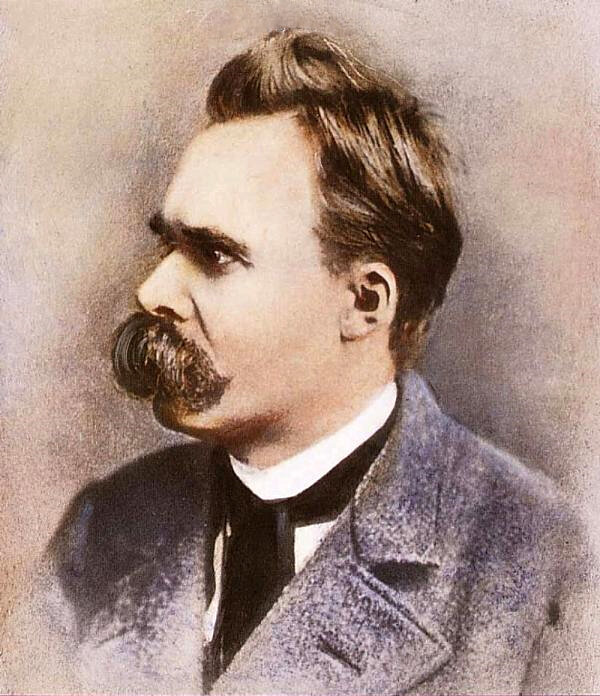
The book isn't a straightforward explanation of his ideas. It’s an epic, poetic work that reads more like a sacred text than a piece of academic philosophy. It follows the journey of a fictional prophet, Zarathustra, who descends from a mountain to share his wisdom with humanity.
The Narrative and Style
The story is simple on the surface. Zarathustra, named after the ancient Persian prophet, spends ten years in solitude. He then decides to return to civilization to teach what he has learned. The book is a collection of his speeches, parables, and encounters with various people who represent different aspects of society.
Nietzsche uses Zarathustra as a mouthpiece for his most challenging ideas, wrapping them in allegory and metaphor.
The language is highly symbolic and often intentionally ambiguous. Nietzsche mimics the style of religious texts, particularly the Lutheran Bible, to both critique and co-opt their power. The book is filled with lyrical passages, songs, and dramatic pronouncements. This style forces the reader to interpret and engage with the ideas on a personal level, rather than just passively accepting them.
Introduction to the Central Themes
Through Zarathustra's journey, Nietzsche introduces some of his most famous and controversial concepts. The book acts as a grand stage for ideas that would dominate his later work. These are not presented as a neat system but as interwoven challenges to traditional thought.
| Theme | Core Idea |
|---|---|
| The Death of God | The loss of a foundation for traditional values and morality. |
| The Übermensch (Overman) | A goal for humanity to overcome itself and create new values. |
| The Will to Power | The fundamental drive in all things to expand and master. |
| Eternal Recurrence | The ultimate test: would you be willing to live your exact life over and over for eternity? |
Each of these themes is explored through Zarathustra's speeches and interactions. He declares that "God is dead" and that humanity must now find its own meaning. He introduces the idea of the Übermensch, not as a superman, but as a self-mastered individual who creates their own purpose. These concepts are presented as provocations, designed to shake the reader from complacency.
What literary form best describes Friedrich Nietzsche's Thus Spoke Zarathustra?
In Thus Spoke Zarathustra, why does the main character descend from his mountain solitude?
This book serves as the poetic heart of Nietzsche's philosophy. Understanding its unique structure and core themes is the first step to grappling with his powerful vision for humanity.