United Airlines Core Principles
Introduction to United Airlines
A Storied History
United Airlines' story begins not with passenger jets, but with a single pilot and a fragile biplane carrying mail. In 1926, Varney Air Lines, founded by Walter T. Varney, won the first private air mail contract in the U.S. Its inaugural flight from Pasco, Washington, to Elko, Nevada, marked the birth of commercial air transport in America and the beginning of what would become United Airlines.
Varney's venture quickly grew. It was acquired by Boeing's new holding company, the United Aircraft and Transport Corporation, which also bought up other pioneers like Pratt & Whitney and National Air Transport. This conglomerate created the first coast-to-coast passenger and mail service, a revolutionary feat at the time. A 1934 antitrust ruling forced the company to break up, splitting it into three entities: Boeing, United Aircraft (later United Technologies), and the airline, United Air Lines.
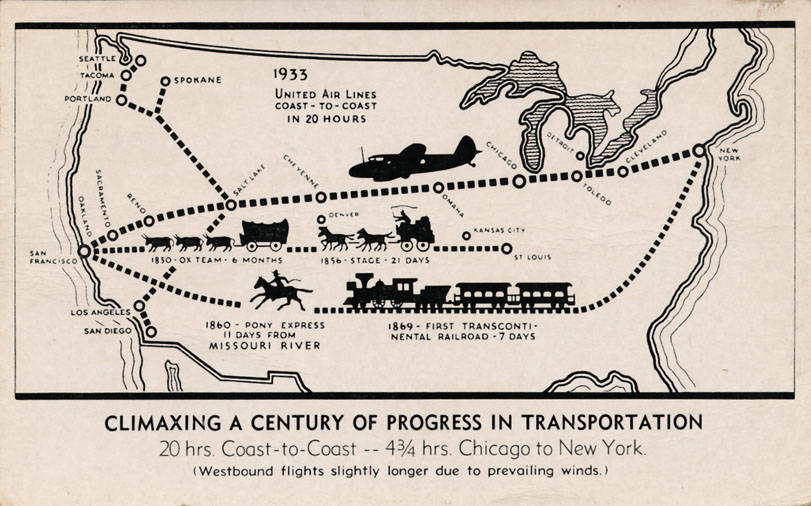
From that point on, United focused on flying. It introduced many firsts, including the first flight attendants, then called "stewardesses," and the first in-flight kitchens. Over the decades, through growth and major mergers, including a significant one with Continental Airlines in 2010, United built itself into a global aviation giant.
Mission and Vision
At its core, United's purpose is straightforward and ambitious. The airline's mission and vision guide its daily operations and long-term strategy, focusing on service, safety, and global connectivity.
The company's stated mission is simple: "Connecting people. Uniting the world."
This guiding principle is supported by a vision to be the airline customers choose first. This means aiming for excellence in every aspect of the travel experience, from booking a flight to arriving at the destination. It's about more than just transportation; it's about creating positive experiences and reliable service for millions of passengers.
Flying the Globe
Today, United is one of the largest airlines in the world. Its sheer scale is impressive, with a vast network that connects the United States to cities across six continents. The airline operates a massive fleet of aircraft, ranging from smaller regional jets to large wide-body planes for long-haul international routes.
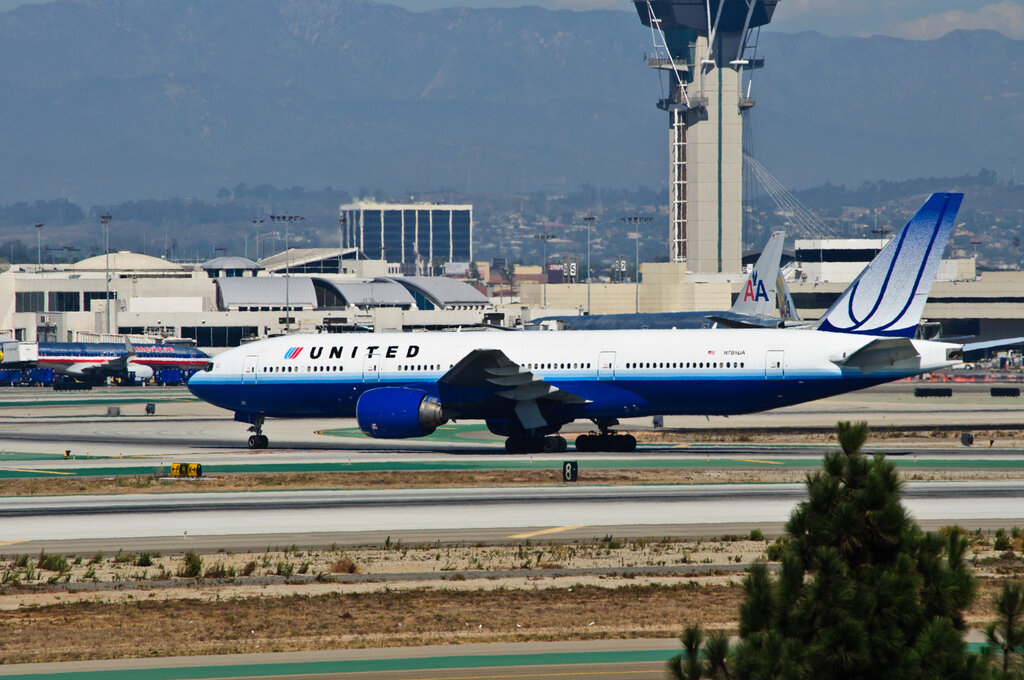
From major hubs in cities like Chicago, Denver, Houston, and San Francisco, United operates thousands of flights every day. This extensive network gives it a significant market position, particularly on trans-Pacific and trans-Atlantic routes. Beyond passenger travel, United's operations include United Cargo for shipping goods and the popular MileagePlus loyalty program, which serves millions of members worldwide.
Let's check your understanding of United's history and scope.
What was the original name of the airline founded by Walter T. Varney, which later became a key part of United Airlines?
True or False: A 1934 antitrust ruling required the United Aircraft and Transport Corporation to split into separate companies for airline operations, aircraft manufacturing, and engine production.
From its early days as a mail carrier to its current status as a global leader, United Airlines has played a key role in the history of aviation.