Understanding Video Generation
Introduction to Video Production
The Three Stages of Making a Video
Making a video is a bit like cooking a big meal. You don't just start throwing ingredients in a pan. First, you decide on a recipe and gather your ingredients. Then you do the actual cooking. Finally, you plate the food beautifully before serving it. Video production follows a similar, structured process.
The process of video production is typically broken down into three major phases: pre-production, production, and post-production.
Let's break down each phase.
1. Pre-production: This is the planning phase. It’s the most critical stage, because good preparation prevents problems later. It involves everything that happens before you press the record button: developing the initial idea, writing a script, creating storyboards to visualize shots, scouting for locations, casting actors if needed, and scheduling the shoot.
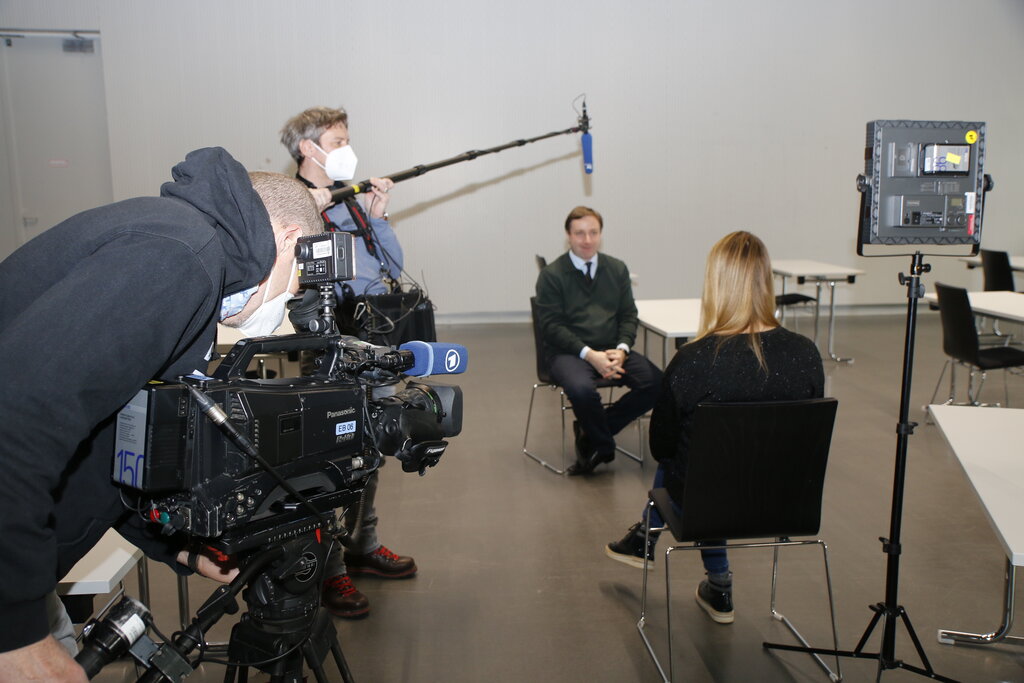
2. Production: This is the execution phase—the actual filming. The crew and cast come together, and the camera starts rolling. All the planning from pre-production comes to life as scenes are shot, audio is recorded, and the raw material for the video is captured.
3. Post-production: After all the footage is shot, the project moves to the editing room. This is where the story is assembled. An editor pieces together the best takes, color-corrects the footage, mixes the audio, adds music and sound effects, and creates any necessary graphics or titles. This is where the raw ingredients become a polished final product.
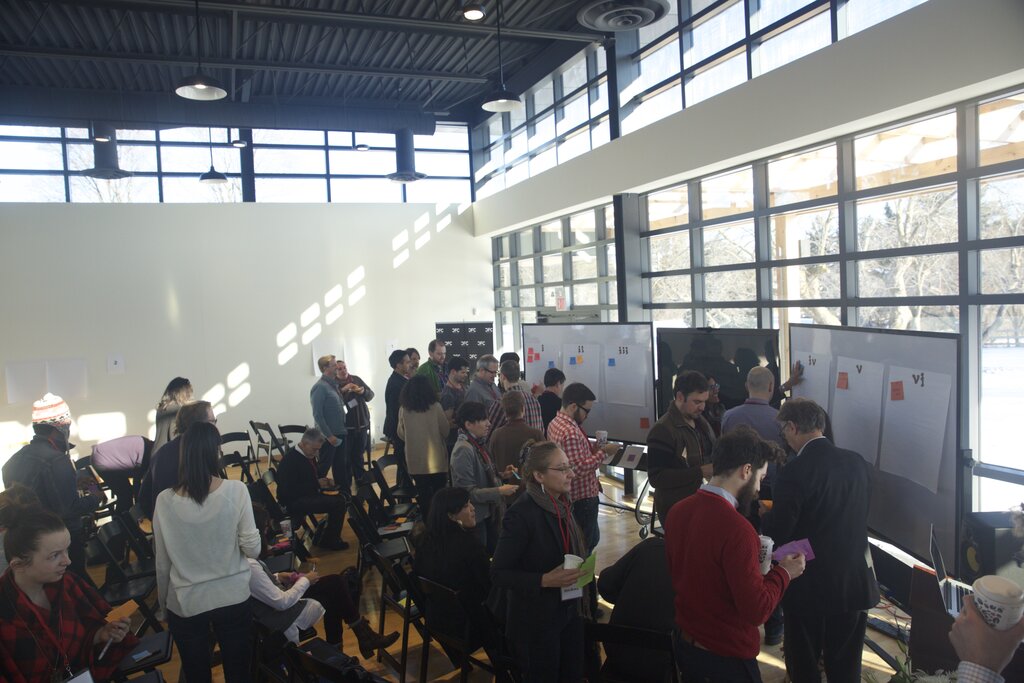
It Takes a Team
While you can certainly make a great video on your own, professional productions rely on a team of specialists, each with a distinct role. A well-coordinated crew works together to bring a creative vision to life efficiently.
| Role | Responsibility |
|---|---|
| Director | Guides the creative vision, works with actors, and makes the final decisions on set. |
| Producer | Manages the project's logistics, including budget, scheduling, and coordination. |
| Cinematographer | Also called the Director of Photography (DP), they manage the camera and lighting to create the visual look and feel of the video. |
| Sound Mixer | Responsible for capturing clear, high-quality audio on set. |
| Editor | Assembles the raw footage, audio, and graphics into a final, cohesive story in post-production. |
On smaller projects, one person might wear many hats, acting as the director, cinematographer, and editor all at once. The important thing isn't the number of people, but that all these essential tasks are covered.
Why Story Matters Most
You can have the fanciest camera and the most talented crew, but without a good story, your video will fall flat. Story is the emotional core. It's what hooks an audience, makes them care, and keeps them watching.
A strong story has a clear beginning, middle, and end. It introduces a question or a problem, explores it, and provides a resolution or a call to action. Whether you're creating a one-minute commercial or a feature-length documentary, the principles of storytelling are universal.
Think about your favorite movie. You probably remember the characters and what happened to them more than you remember the specific camera angles or editing techniques.
Before you ever think about equipment, ask yourself: What is the story I want to tell? Who is it for? And what do I want my audience to feel or do after watching? Answering these questions is the first step to creating a video that resonates.
The Basic Toolkit
The gear you need can vary wildly depending on your project, but most video productions rely on a few key pieces of equipment. You don't need the most expensive gear to get started, but understanding the function of each piece is crucial.
1. Camera: This is the most obvious piece of gear. It captures the image. Today, this could be anything from a high-end cinema camera to the smartphone in your pocket. The best camera is the one you have access to and know how to use.
2. Microphone: Audio is just as important as video, if not more so. A video with poor audio is unwatchable. An external microphone, whether it's a lavalier mic that clips onto a shirt or a shotgun mic that mounts on the camera, will almost always capture better sound than the camera's built-in mic.
3. Lighting: Good lighting separates amateur shots from professional ones. It shapes the image, directs the viewer's attention, and sets the mood. A simple three-point lighting setup (using a key light, fill light, and back light) is a foundational technique for making subjects look their best.
4. Tripod: Shaky footage is distracting. A tripod provides a stable base for your camera, ensuring smooth, steady shots. It's an essential tool for interviews, landscape shots, and any scene where the camera needs to remain still.
What are the three main phases of video production, in the correct order?
Which of the following activities takes place during the pre-production phase?
Understanding these core components—the stages, the team roles, the importance of story, and the basic gear—provides a solid foundation for creating compelling videos.