Understanding US-Iran Relations
Early US-Iran Relations
Forging Early Ties
The relationship between the United States and Iran, then known as Persia, didn't begin with conflict. The early interactions in the 19th century were marked by mutual curiosity and a surprising degree of warmth. For Iran, the United States was a distant power, free from the imperial ambitions that defined its relationship with its neighbors, Russia and Great Britain. The U.S. was seen as a potential neutral partner.
This sentiment led to the formal establishment of diplomatic ties. In 1856, Persia dispatched its first ambassador to Washington, D.C., marking the official beginning of the relationship. The United States reciprocated nearly three decades later, appointing its first diplomatic envoy to Iran in 1883. These early connections were primarily driven by American missionaries and educators, who established schools and hospitals, fostering goodwill.
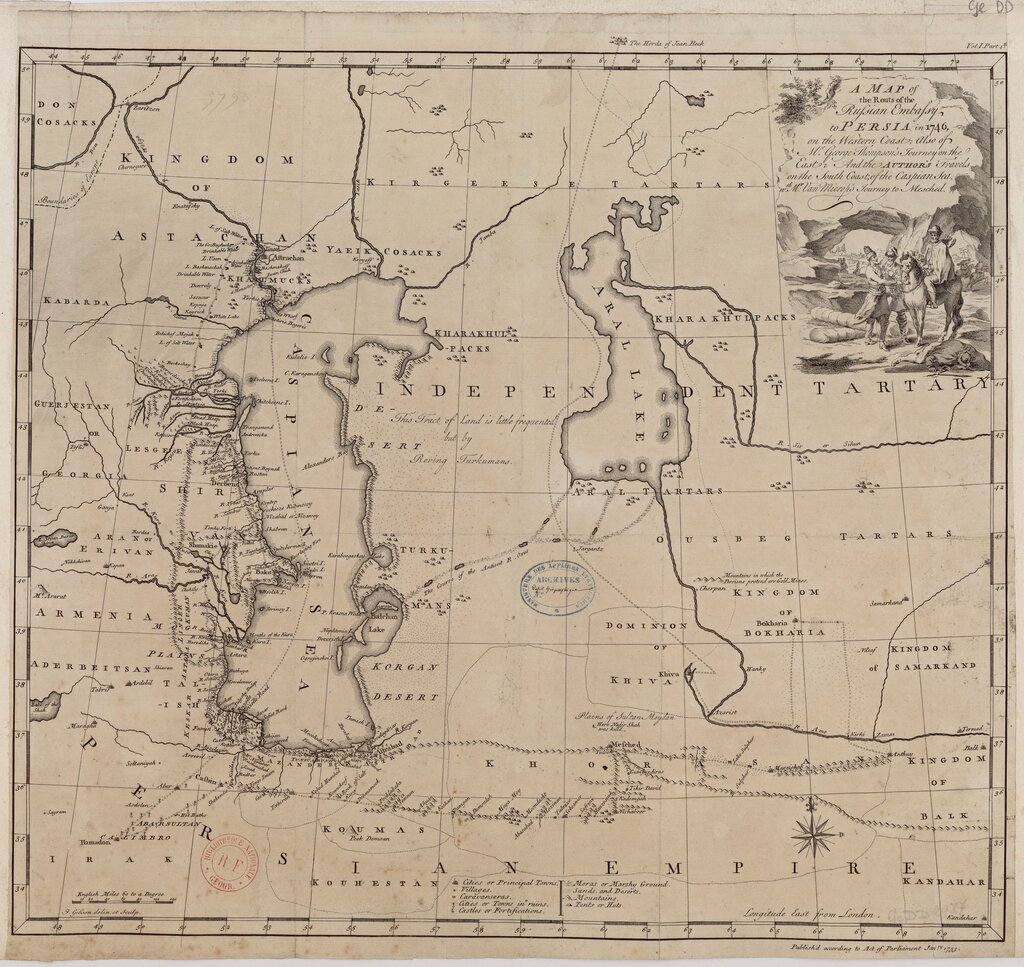
Throughout the late 19th and early 20th centuries, the bond remained largely positive. The U.S. was viewed as a model of a constitutional government, an idea that resonated with Iranian reformers during their own Constitutional Revolution in the early 1900s. Unlike the European powers carving up spheres of influence, America's presence was minimal and non-threatening.
A Treaty of Friendship
After World War II, as the global political landscape shifted, the relationship between the two nations deepened. This era of cooperation culminated in the signing of the Treaty of Amity, Economic Relations, and Consular Rights in 1955. This was a formal agreement designed to solidify the friendly ties between the U.S. and Iran.
The treaty's primary goal was to create a framework for peace, commerce, and mutual respect. It covered a wide range of areas, from ensuring fair treatment for citizens living in each other's countries to promoting trade and investment. It was a document built on an assumption of partnership and shared interests.
The treaty explicitly stated there would be "firm and enduring peace and sincere friendship" between the United States and Iran.
This agreement set the stage for decades of close alliance. It encouraged American businesses to invest in Iran and facilitated cultural and educational exchanges. The Treaty of Amity represented the peak of friendly relations, a formal acknowledgment of a partnership that both sides viewed as beneficial. It stands as a historical marker of a very different kind of relationship than the one that would emerge later in the century.
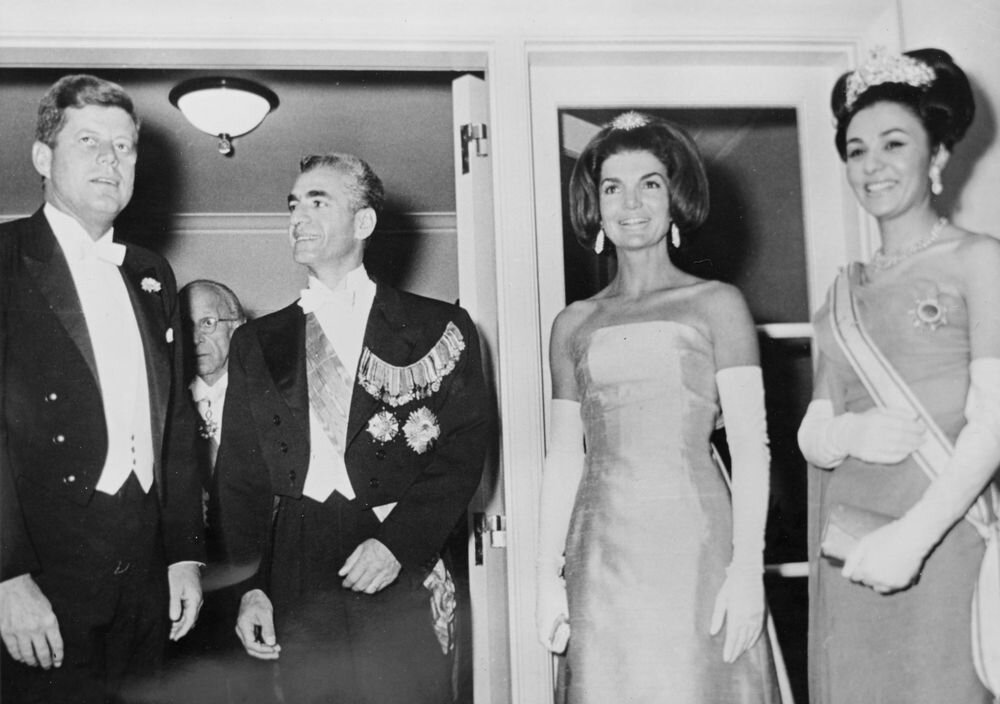
Understanding these foundational agreements and the spirit of cooperation they embodied is key to grasping the full, complex history of U.S.-Iran relations. It shows that the decades of animosity that would later define their interactions were not inevitable, but rather a drastic departure from a long period of friendship.