Understanding SAFTA
SAFTA Origins
Forging a Trade Bloc
For decades, South Asia was a region of missed opportunities. Despite sharing borders, cultures, and histories, the countries within it traded surprisingly little with each other. A nation like India might trade more with a distant country in Europe than with its neighbor, Pakistan or Bangladesh. This pattern was common across the region, keeping economic cooperation at a minimum.
The political climate didn't help. A history of conflicts and lingering mistrust made it difficult to build the economic bridges necessary for robust regional trade. Each country focused on its own domestic market or looked to partners far outside South Asia. The result was a fragmented economic landscape where the collective potential of over a billion people was largely untapped.
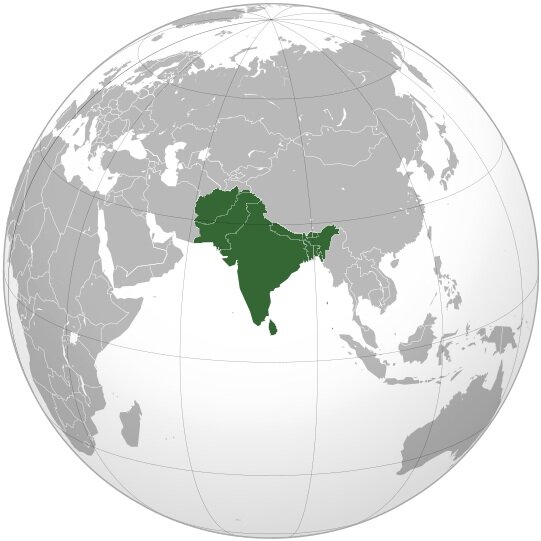
Leaders in the region recognized this problem. They saw how other parts of the world, like Europe, were benefiting from economic integration. The first major step toward cooperation was the creation of the South Asian Association for Regional Cooperation (SAARC) in 1985. While SAARC's initial focus was broad, a consensus grew that deeper economic ties were essential for regional stability and growth.
An early attempt was the SAARC Preferential Trading Arrangement (SAPTA), launched in 1995. SAPTA aimed to offer limited tariff concessions on a small number of products. While a step in the right direction, its impact was modest. It was a cautious experiment, not the bold move needed to truly integrate the region's economies. The experience with SAPTA, however, paved the way for a more ambitious vision.
The South Asian Free Trade Area (SAFTA) is the free trade arrangement of the South Asian Association for Regional Cooperation (SAARC).
This vision became the South Asian Free Trade Area (SAFTA). Signed in 2004 and put into effect in 2006, SAFTA was designed to replace the limited scope of SAPTA with a comprehensive free trade zone.
Goals of the Agreement
SAFTA was built on a few core principles. The central idea was to create a more predictable and transparent trade environment among member states: Afghanistan, Bangladesh, Bhutan, India, the Maldives, Nepal, Pakistan, and Sri Lanka.
The primary objective was straightforward: reduce trade barriers. This meant systematically lowering customs duties, or tariffs, on goods traded between member countries. The ultimate goal was to bring these tariffs down to zero for most products, making it cheaper and easier for businesses to sell their goods across borders within South Asia.
By eliminating tariffs, SAFTA aimed to encourage countries to buy from their neighbors instead of from more distant, and potentially more expensive, trading partners.
Beyond just cutting tariffs, SAFTA also sought to address non-tariff barriers. These are the less obvious obstacles to trade, such as complicated customs procedures, quotas, and divergent product standards. The agreement provided a framework for members to work together to streamline these rules, making trade smoother and more efficient.
A key principle woven into SAFTA's foundation was providing special consideration for the Least Developed Countries (LDCs) within the group, such as Bangladesh, Bhutan, and Nepal. The agreement recognized that these smaller economies needed more time and flexibility to adapt to a free trade environment. It allowed them a longer timeline to reduce their tariffs and offered them more favorable terms to ensure they could benefit from, rather than be overwhelmed by, regional competition.
For many decades prior to the establishment of regional trade agreements, what was a defining characteristic of trade patterns in South Asia?
How did the South Asian Free Trade Area (SAFTA) represent a significant evolution from the earlier SAARC Preferential Trading Arrangement (SAPTA)?