Understanding Menopause
Understanding Menopause
What Is Menopause?
Menopause is the point in time 12 months after a person's last menstrual period. It's a natural biological process, not a disease or disorder. For most people who menstruate, this transition happens between the ages of 45 and 55.
Think of it as the end of the reproductive years. The body stops releasing eggs, and menstruation ceases for good.
This change doesn't happen overnight. It's a gradual process that unfolds over several years, marked by shifts in the body's hormones.
The Biology of the Change
The whole process begins in the ovaries. These two small organs, located on either side of the uterus, are responsible for producing and releasing eggs. They are also the main factories for the hormones estrogen and progesterone, which regulate the menstrual cycle and support pregnancy.
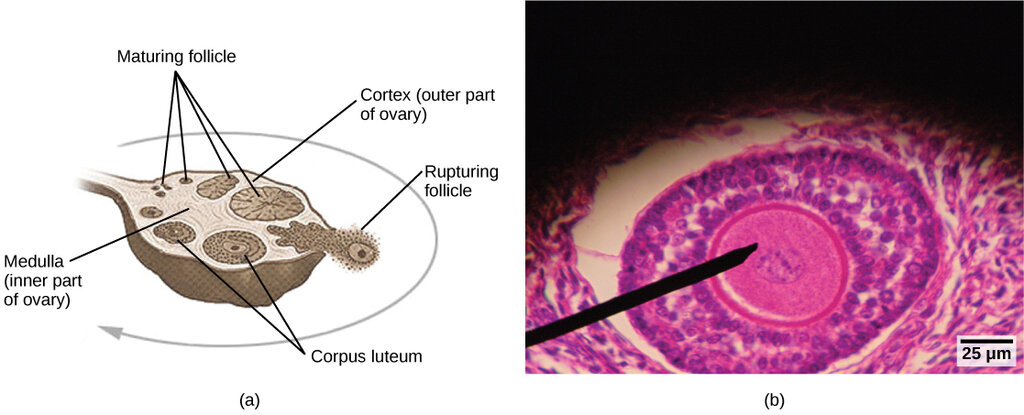
A person is born with all the eggs they will ever have, stored within tiny sacs in the ovaries called follicles. As a person ages, the number of these follicles naturally decreases. With fewer follicles available, the ovaries become less responsive to the hormones that trigger ovulation.
This decline in ovarian function leads to a significant drop in hormone production. Estrogen levels, which are responsible for building up the uterine lining each month, become erratic and then fall. Progesterone levels, which help prepare the uterus for a potential pregnancy after ovulation, also decrease. This hormonal shift is the direct cause of the changes associated with menopause.
The Three Stages
The journey to menopause is best understood as a three-part timeline: perimenopause, menopause, and postmenopause.
1. Perimenopause
This is the transition phase leading up to menopause. It can begin several years before the final menstrual period, often in a person's 40s, but sometimes earlier.
Perimenopause is the transitional phase before menopause when a woman’s hormone levels—especially estrogen—start to fluctuate and decline.
During perimenopause, ovulation becomes irregular. The length of time between periods may get longer or shorter, and menstrual flow might become heavier or lighter. Hormone levels, particularly estrogen, can fluctuate wildly, rising and falling unpredictably before beginning their steady decline.
2. Menopause
Menopause is not a phase but a single point in time. It is officially diagnosed after an individual has gone 12 consecutive months without a menstrual period. At this point, the ovaries have stopped releasing eggs, and estrogen production has dropped significantly.
3. Postmenopause
This stage refers to all the years of life after menopause has occurred. During postmenopause, hormone levels remain consistently low. While many of the noticeable symptoms of the menopausal transition ease during this time, the low levels of estrogen can have long-term effects on health, which is why continued health monitoring is important.