Understanding Access Bars
Introduction to Energy Healing
What Is Energy Healing?
Energy healing is a practice based on a simple idea: a subtle life force flows through and around your body. When this energy is balanced and flowing freely, you feel good—physically, mentally, and emotionally. But when it gets blocked or stagnant, it can lead to feelings of stress, discomfort, or illness.
Think of it like a river. A clear, flowing river is healthy and full of life. But if a dam is built or debris clogs the channel, the water becomes still and can cause problems downstream. Energy healing aims to clear those blockages and get things moving again.
These practices work on the body's energy field to restore balance and support its natural ability to heal. It’s a holistic approach, meaning it treats the whole person—body, mind, and spirit—rather than just focusing on symptoms.
A Look Back in Time
The concept of healing with energy isn't new. It has roots in ancient traditions from all over the world. In India, the system of Ayurveda has, for thousands of years, spoken of prana, the life force energy that moves through channels in the body called chakras.
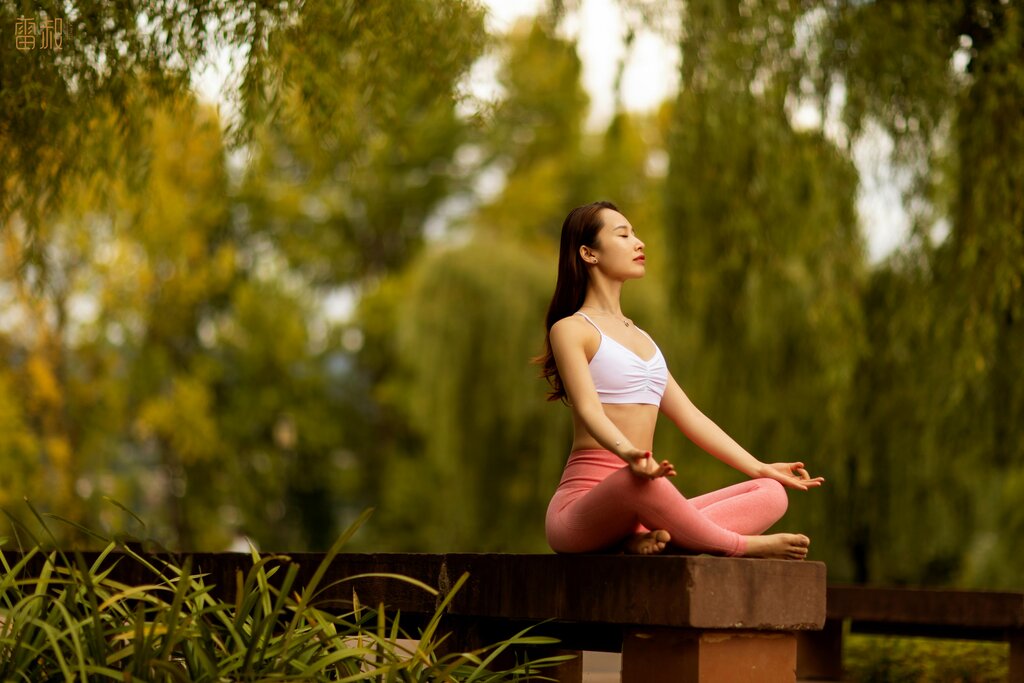
Similarly, Traditional Chinese Medicine is built around the concept of qi (pronounced "chee"), a vital energy that flows through pathways called meridians. Practices like acupuncture and qigong were developed to correct imbalances in this energy flow.
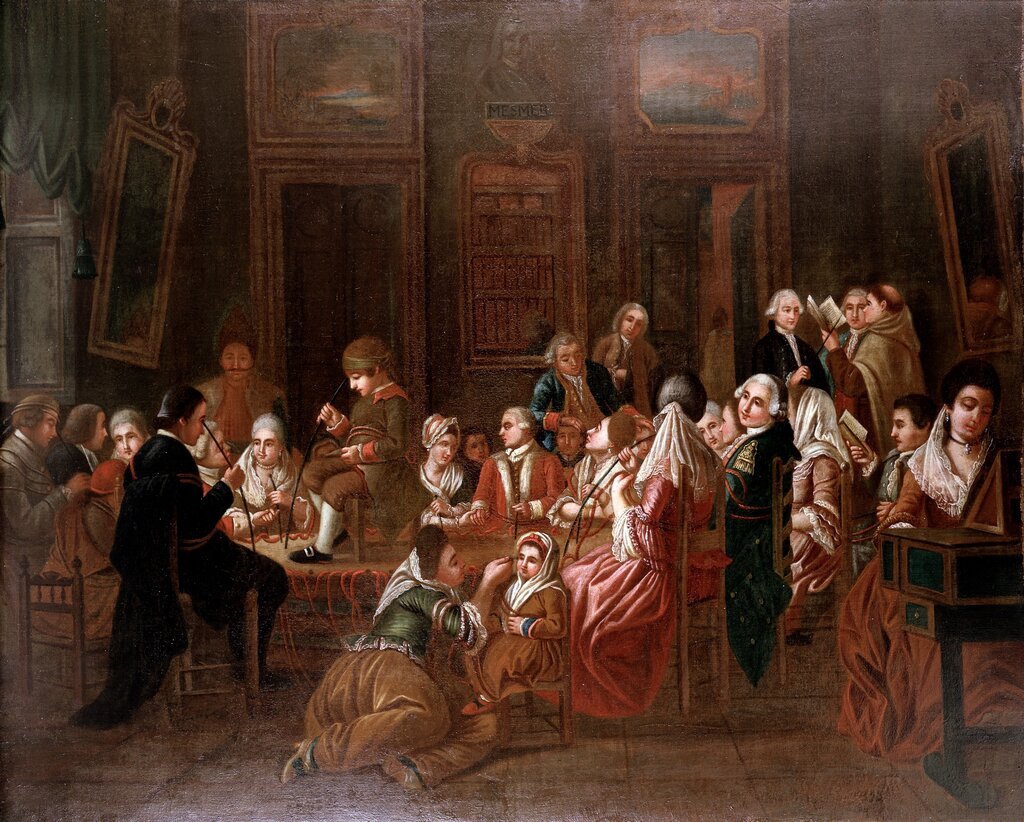
More recently, in the 18th century, a German doctor named Franz Anton Mesmer introduced the idea of "animal magnetism," a supposed invisible natural force exerted by animals. While his theories were controversial, they sparked a renewed interest in Europe and America in the idea of unseen energies affecting health.
Common Types of Energy Healing
Today, energy healing encompasses a wide range of modalities. While each has its own unique approach, they all share the goal of restoring balance. Here are a few common examples:
Reiki
noun
A Japanese technique in which a practitioner gently places their hands on or near the body to channel energy, promoting relaxation and healing.
Acupuncture: A key component of Traditional Chinese Medicine, acupuncture involves inserting very thin needles into specific points on the body. This is done to clear blockages and rebalance the flow of qi along the body's meridians.
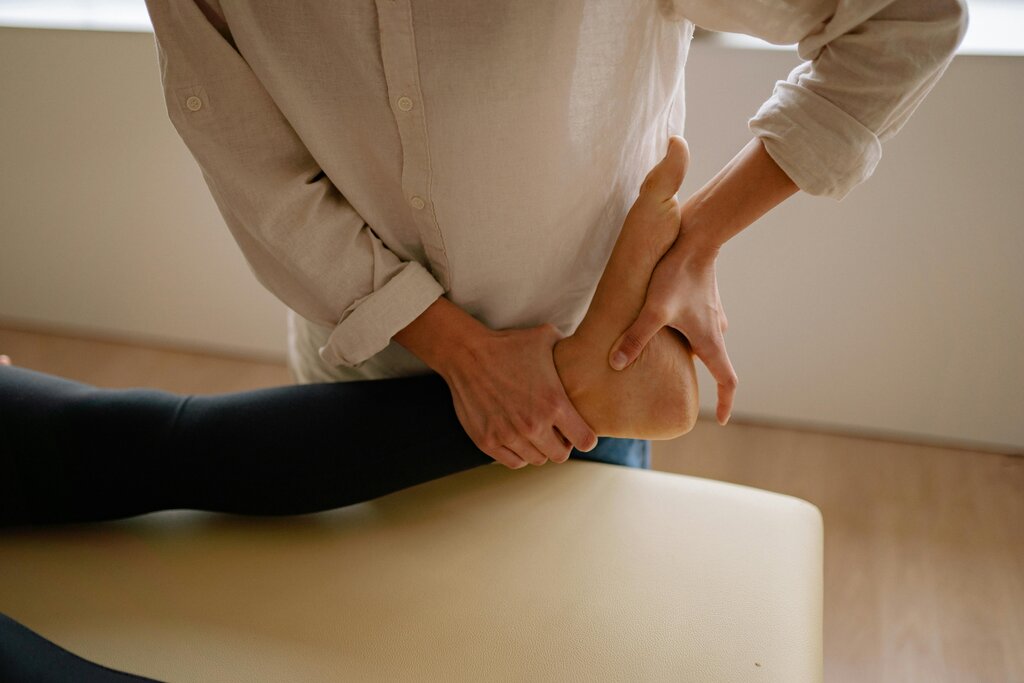
Reflexology: This practice involves applying pressure to specific points on the feet, hands, and ears. Reflexologists believe these points correspond to different organs and systems in the body, and that stimulating them can improve health.
Crystal Healing: In this practice, crystals and other stones are placed on or around the body. Each crystal is believed to have a unique energetic vibration that can help clear, focus, and direct energy, bringing the body's energy field back into alignment.
The Core Principles
Despite the variety of techniques, most energy healing practices are built on a few shared principles.
The focus is on balancing the energies of the total person and stimulating the body's own natural healing ability rather than on the treatment of specific physical diseases.
First is the belief in a universal life force. This is the energy that animates all living things. When this energy is strong and flows freely, we are healthy and vibrant.
Second is the idea that blockages cause imbalance. Physical injuries, emotional trauma, stress, and negative thought patterns can disrupt the flow of this life force energy. These disruptions can eventually manifest as physical or emotional ailments.
Finally, practitioners believe that they can channel or manipulate energy to restore balance. By using their hands, needles, crystals, or other tools, they can help clear blockages and encourage the body’s own healing processes.
Ready to test your knowledge on the foundations of energy healing?
What is the fundamental principle of energy healing?
In the Indian tradition of Ayurveda, the life force energy that moves through channels called chakras is known as ______.