The Story of Western Civilization
Ancient Foundations
The First Cities
Western civilization didn't begin in the West. Its earliest roots are in a region of the Middle East called the Fertile Crescent. Here, in Mesopotamia, between the Tigris and Euphrates rivers, the first cities emerged thousands of years ago. People like the Sumerians learned to manage the rivers, grow surplus food, and live together in large, organized communities.
With cities came new challenges. How do you keep track of grain stores? How do you record laws and business deals? The solution was one of history's most important inventions: writing. The Sumerians developed cuneiform, a script made of wedge-shaped marks pressed into wet clay tablets. This system allowed them to record everything from royal decrees to poetry.
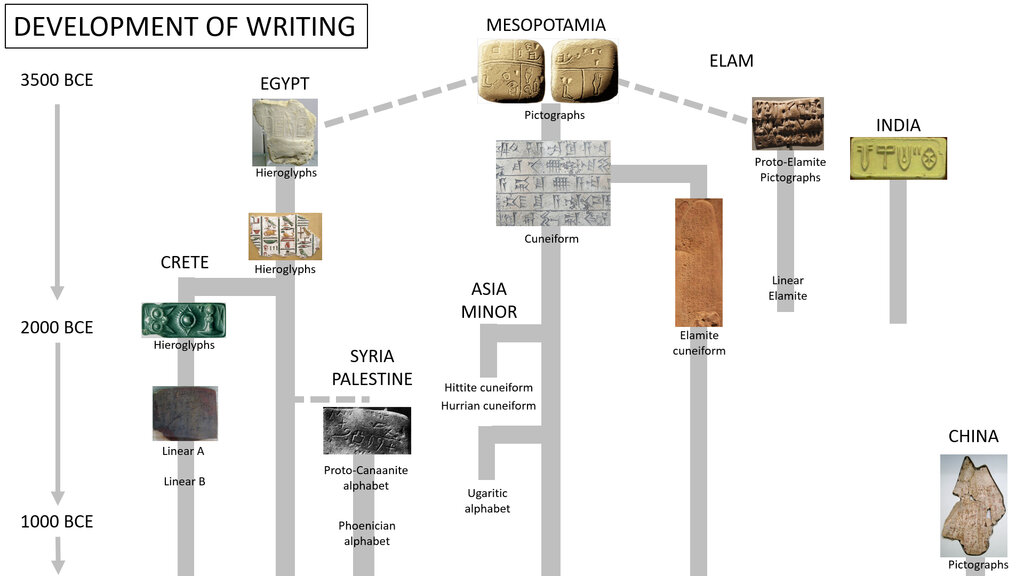
Around the same time, another great civilization rose along the Nile River. Ancient Egypt was unified under a single ruler, the pharaoh, who was considered a living god. This centralized power allowed the Egyptians to undertake massive construction projects, like the pyramids at Giza. They also developed their own sophisticated writing system, hieroglyphs, which combined pictures and symbols.
Both Mesopotamia and Egypt created some of the first organized governments and legal systems. Mesopotamia gave us Hammurabi's Code, one of the earliest and most complete written legal codes, which established the principle of "an eye for an eye."
A Revolution in Thought
The scene then shifts to the shores of the Aegean Sea, in ancient Greece. The Greeks were not a single, unified empire but a collection of independent city-states, or poleis. The most influential of these was Athens. It was here that a radical new idea about government took shape: democracy, or "rule by the people."
Athenian democracy was different from our modern version. Only adult male citizens could vote, and they participated directly in the assembly, making laws and decisions for the city. This idea, that citizens should have a say in their own governance, was revolutionary.
The Greeks also began to ask fundamental questions about the world, not through myth or religion, but through reason. This was the birth of philosophy. Thinkers like Socrates, Plato, and Aristotle explored ethics, politics, logic, and the nature of reality. They debated what makes a good life and what constitutes a just state. Their questions and methods of inquiry still shape Western thought today.
They laid the foundations for Western philosophy, science, ethics, political theory, and logic.
Greek art and architecture reflected this focus on reason and order. They prized harmony, balance, and idealized forms, creating sculptures and temples—like the Parthenon in Athens—that have been admired and copied for centuries.
Order and Empire
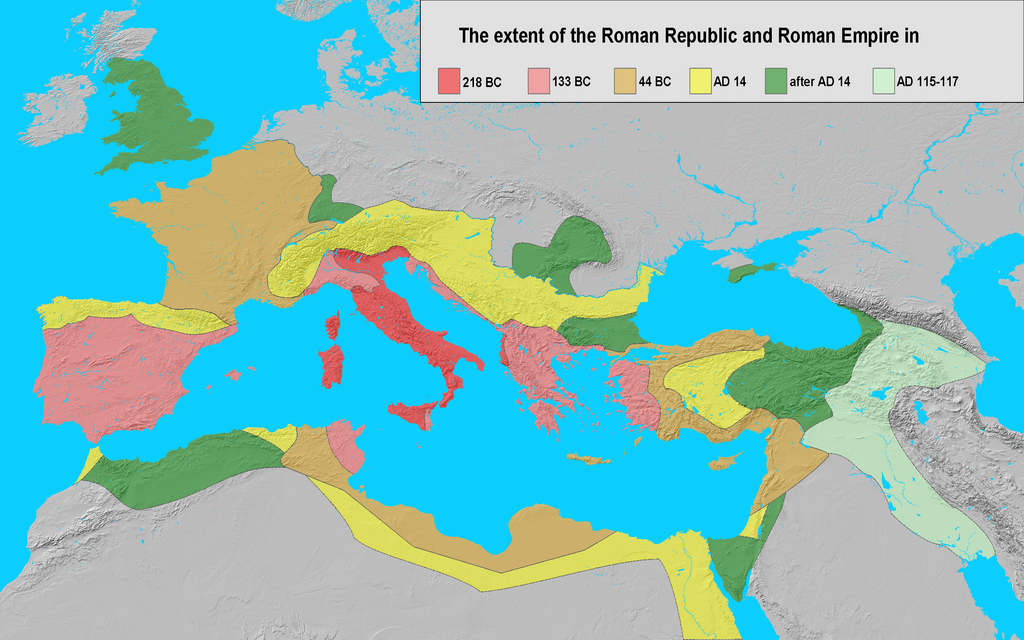
While Greece was a collection of rival city-states, a new power was rising in Italy. Rome began as a small city-state but grew through military conquest to become a vast republic, and later, an even vaster empire that controlled the entire Mediterranean basin.
The Romans were master engineers and administrators. They built thousands of miles of roads, massive aqueducts to carry water to their cities, and monumental structures like the Colosseum. But their most enduring legacy was their system of law.
Roman law started with the Twelve Tables, a set of basic laws displayed in public, and evolved into a sophisticated legal framework. It emphasized principles like the idea that a person is innocent until proven guilty and that laws should be applied fairly to everyone. These concepts were collected in works like the Justinian Code and became a cornerstone of many modern legal systems in the West.
Roman governance, with its senate, assemblies, and written laws, provided a model for later republics, including the United States.
These four civilizations—Mesopotamia, Egypt, Greece, and Rome—built the foundation. Their inventions, ideas, and institutions were passed down through the centuries, shaping the development of what we now call Western civilization.
Let's test your knowledge of these ancient foundations.
What was the system of wedge-shaped writing, pressed into clay tablets, that was developed in Mesopotamia?
The construction of massive public works like the pyramids at Giza was possible in Ancient Egypt primarily due to...
From writing and law to philosophy and democracy, the contributions of these ancient cultures were fundamental. They created the intellectual and structural tools that future generations would use to build their own societies.