The Science of Water Evaporation
Introduction to Evaporation
From Liquid to Gas
If you leave a glass of water on a table, it will slowly disappear over a few days. Where does it go? The water doesn't just vanish; it changes form. This transformation from a liquid to a gas is called evaporation. It's an invisible process happening all around us, all the time.
Evaporation is the process where a liquid turns into a gas, or vapor, without reaching its boiling point.
Imagine the surface of the water is like a dance floor crowded with water molecules. Most are just shuffling around, but some, especially those at the very top, get enough energy to leap off the dance floor and into the air. These escapees are now water vapor.
The Energy Escape Plan
For a water molecule to escape into the air, it needs energy. This energy comes from heat. The heat gives the molecules at the surface enough of a kick to break free from the other molecules holding them in the liquid.
This is why you feel cold when you get out of a swimming pool. The water on your skin starts to evaporate, and to do so, it pulls heat directly from your body. Evaporation is a cooling process because it removes heat energy from its surroundings.
When surface water evaporates, the heat required to change liquid water into vapour is absorbed from the surface and carried along with the vapour into the air.
Evaporation vs Boiling
Evaporation and boiling both turn liquid into gas, but they aren't the same. The key difference is how and where they happen.
Evaporation is a surface event. It happens only at the top layer of the liquid and can occur at almost any temperature. It’s a slow, quiet process. Boiling, on the other hand, is a bulk event. It happens throughout the entire liquid once it reaches a specific temperature, the boiling point. You can see it happening because of the bubbles that form and rise.
| Feature | Evaporation | Boiling |
|---|---|---|
| Location | Only at the liquid's surface | Throughout the entire liquid |
| Temperature | Can occur at any temperature | Only at the boiling point |
| Bubbles | No bubbles formed | Bubbles are formed |
| Speed | A slow and silent process | A fast and violent process |
Evaporation in Action
This simple process is vital for life. Animals, including humans, sweat to cool down. The sweat evaporates from our skin, taking heat with it and regulating our body temperature. Plants do something similar in a process called transpiration, releasing water vapor from their leaves.
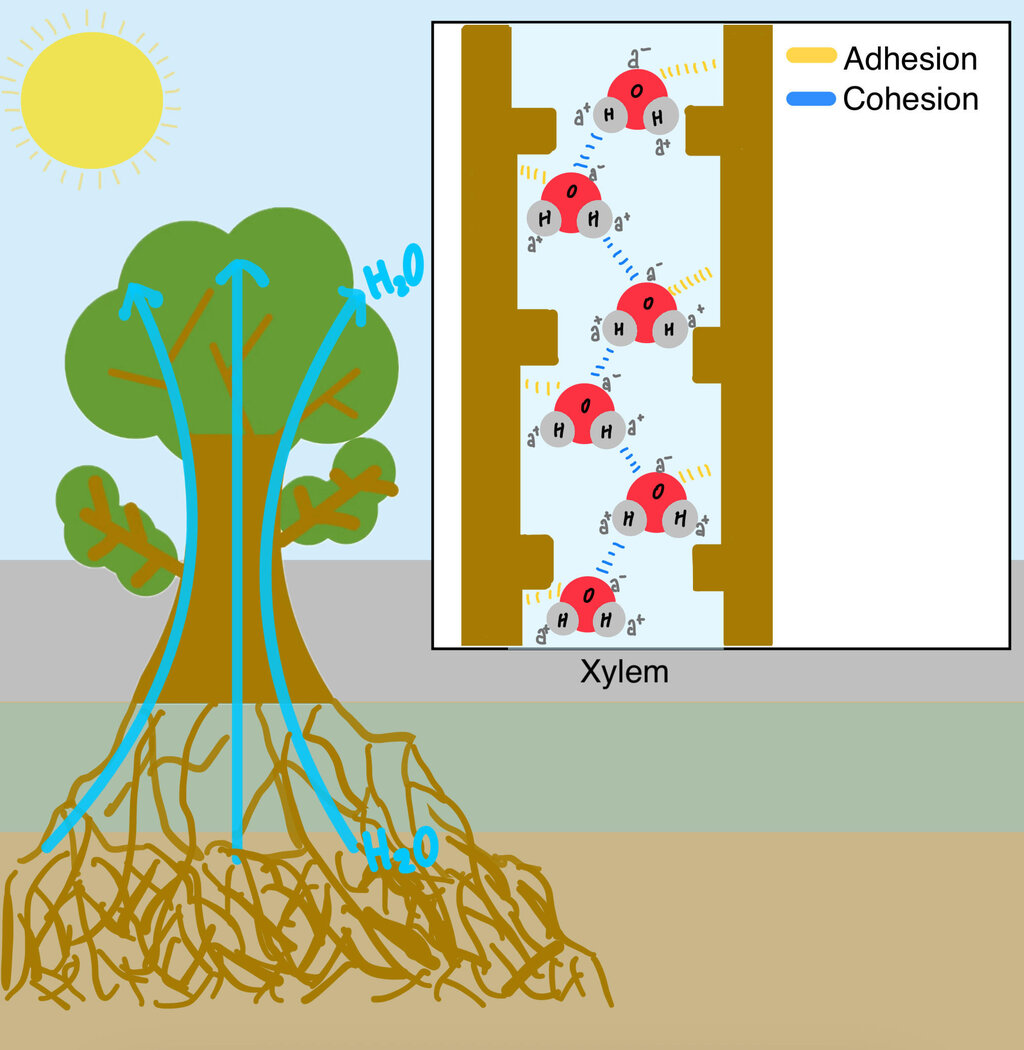
You see evaporation in many everyday situations. A puddle drying up on a sunny day, clothes drying on a line, and the steam rising from a hot cup of coffee are all examples of this constant, quiet escape of water molecules into the air.
Ready to check your understanding?
What is evaporation?
Why do you feel cold after getting out of a swimming pool on a warm day?
This invisible shift from liquid to gas is a fundamental process, constantly working to move energy and water around our world.