The Science Behind Belly Fat
Understanding Abdominal Fat
More Than Just Belly Fat
When people talk about belly fat, they're usually referring to two different types. On the surface, just beneath your skin, is subcutaneous fat. This is the fat you can pinch. It acts as an energy reserve and helps insulate your body.
Subcutaneous Fat
noun
A type of fat stored just beneath the skin.
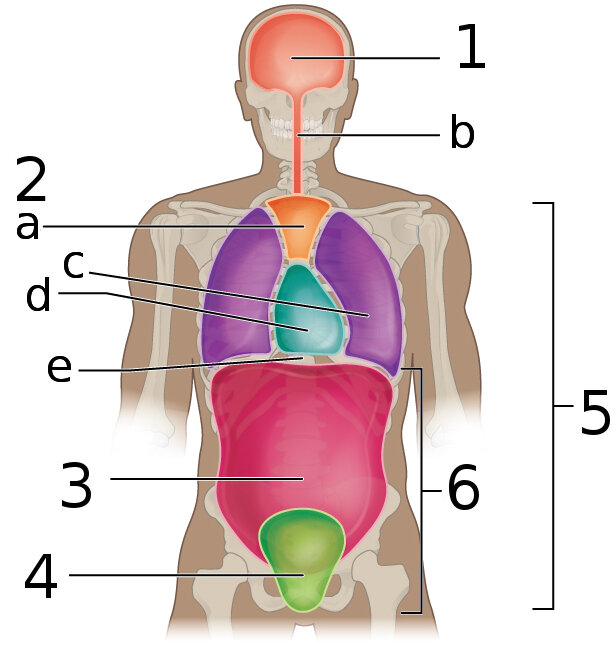
But there's another, more hidden type of fat called visceral fat. It lies deep within your abdominal cavity, wrapping around your internal organs like the liver, stomach, and intestines. You can't see it or pinch it, but its presence has a major impact on your health.
The Dangers of Deep Fat
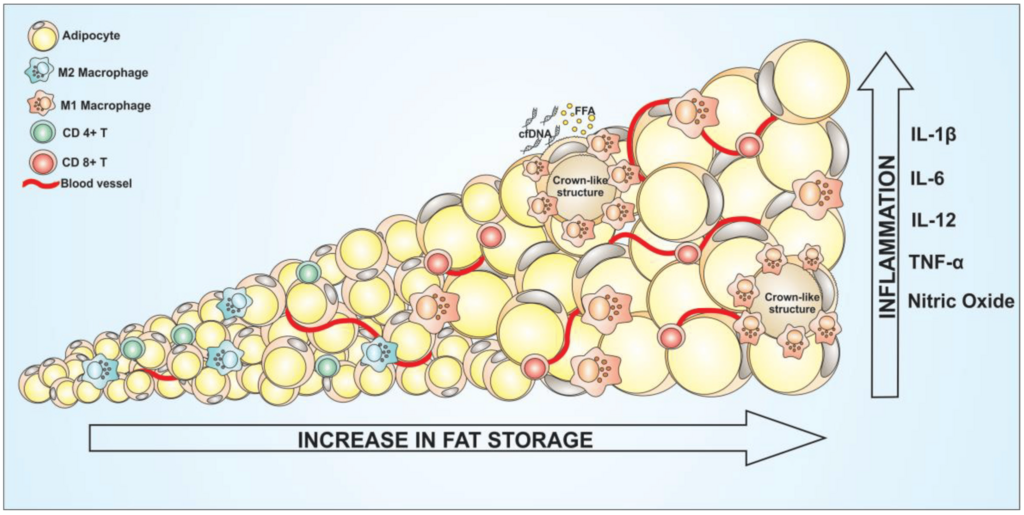
Visceral fat isn't just a passive storage depot. It's a metabolically active tissue that acts almost like its own organ. It releases fatty acids, inflammatory agents, and hormones that can negatively affect your health.
Because of its proximity to the portal vein, which carries blood from the intestines to the liver, substances released by visceral fat can travel directly to the liver. There, they can influence the production of blood fats, leading to higher total cholesterol and LDL ('bad') cholesterol, and lower HDL ('good') cholesterol.
This constant low-level inflammation and hormonal disruption can pave the way for serious chronic diseases.
Excess visceral fat is strongly linked to a higher risk of:
- Cardiovascular disease: Including heart attacks and strokes.
- Type 2 diabetes: Visceral fat contributes to insulin resistance, a condition where your body's cells don't respond properly to insulin.
- Certain cancers: Including colorectal and breast cancer.
- High blood pressure.
How Is It Measured?
Since you can't see visceral fat, how do you know if you have too much? While there are high-tech methods, a simple tape measure offers a good estimate.
Measuring your waist circumference is a reliable, low-cost way to assess your potential health risk from visceral fat.
To measure your waist, stand and place a tape measure around your middle, just above your hipbones. Make sure it's horizontal around your waist. Keep the tape snug but not compressing the skin, and measure just after you breathe out. As a general guideline, a waist measurement of over 40 inches (102 cm) for men and over 35 inches (88 cm) for women is considered an indicator of unhealthy levels of abdominal fat.
More precise measurements can be taken using imaging tests like CT scans or MRI, which can clearly distinguish visceral fat from subcutaneous fat. However, these are expensive and typically used for research rather than routine health screening.
Let's check your understanding of abdominal fat.
What is the primary difference between visceral and subcutaneous fat?
Visceral fat is often described as being 'metabolically active'. What does this mean?
Understanding the difference between fat types is the first step in recognizing potential health risks.