The Rwandan Constitution Explained
Historical Background
A Divided Society
Before Europeans arrived, Rwandan society was organized around three main groups: the Hutu, Tutsi, and Twa. While there were social distinctions, the lines between Hutu and Tutsi were often fluid, based more on occupation and wealth than on a fixed ethnic identity. They shared a common language and culture.
The pre-colonial era of Rwanda was characterized by an interdependent relationship among the largest social groups: The Hutu and the Tutsi.
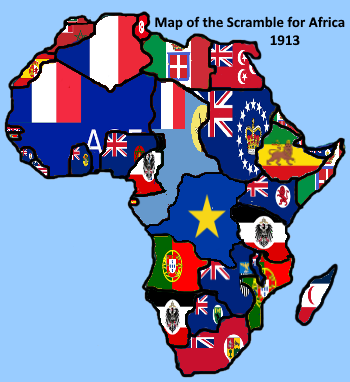
Everything changed with the arrival of German, and later Belgian, colonial rule in the late 19th and early 20th centuries. The Belgians, influenced by racist theories of the time, viewed the Tutsi minority as superior and more suited to rule. They solidified these divisions by introducing mandatory ethnic identity cards in 1935, making what was once a flexible social structure into a rigid, inescapable label.
The colonial administration gave Tutsis preferential access to education and leadership positions, while marginalizing the Hutu majority. This policy created deep resentment. As independence neared in the late 1950s, the Belgians abruptly switched their support to the Hutu, fearing a Tutsi-led anti-colonial movement. This reversal of power led to waves of violence, forcing hundreds of thousands of Tutsis to flee to neighboring countries.
The Genocide Against the Tutsi
After independence in 1962, Rwanda was ruled by a Hutu-led government that continued to discriminate against the remaining Tutsi population. In exile, Tutsi refugees formed the Rwandan Patriotic Front (RPF), a rebel army that aimed to secure their right to return. The RPF invaded Rwanda in 1990, starting a civil war.
A peace agreement, known as the Arusha Accords, was signed in 1993, but it was opposed by Hutu extremists within the government. These extremists began preparing for mass violence, creating militias and broadcasting hate propaganda that dehumanized Tutsis.
As Habyarimana’s increasingly weak government reluctantly acceded to the RPF’s demands for power, Hutu extremist mayors and other local officials began stockpiling rifles, and government-linked anti-Tutsi militia groups began distributing machetes and kerosene to prospective génocidaires.
On April 6, 1994, a plane carrying Rwandan President Juvénal Habyarimana was shot down. This act was the trigger. Within hours, Hutu extremists seized control of the government and unleashed a meticulously planned campaign of extermination against the Tutsi people. For 100 days, the country was consumed by unimaginable violence. Neighbors turned on neighbors, and ordinary citizens were incited to kill.

The genocide was stopped in July 1994 when the RPF captured the capital, Kigali, and took control of the country. By then, at least 800,000 Tutsis and moderate Hutus had been systematically murdered.
A New Beginning
The RPF formed a Government of National Unity in July 1994, bringing together different political groups. The country was in ruins. Its infrastructure was destroyed, its economy had collapsed, and its society was traumatized. The immediate tasks were overwhelming: restore security, provide for millions of displaced people, and begin the long process of justice and reconciliation.
The aftermath of the 1994 Rwandan genocide left the nation in an economic abyss.
The transitional government operated without a permanent constitution for nearly a decade. Instead, it was guided by a combination of the 1991 constitution, the Arusha Accords, and declarations made by the RPF. The main goal during this period was to lay the groundwork for a new political order that would prevent such an atrocity from ever happening again.
This involved dismantling the ethnic-based politics of the past and promoting a new, unified Rwandan identity. A Constitutional Commission was established to tour the country, consult with citizens, and draft a new foundational law. This process was designed to be inclusive, ensuring that the new constitution would reflect the aspirations of all Rwandans for peace, unity, and justice.
Before European colonization, the distinction between Hutu and Tutsi was primarily based on what?
What key policy did the Belgian colonial administration implement in 1935 that made the Hutu-Tutsi distinction rigid and inescapable?
This period of healing and rebuilding set the stage for the 2003 Constitution, a document born from the ashes of genocide and shaped by a national commitment to unity and reconciliation.